










Now Reading: Ford Motor and Baidu to launch self-driving road tests in China
-
01
Ford Motor and Baidu to launch self-driving road tests in China
Ford Motor and Baidu to launch self-driving road tests in China
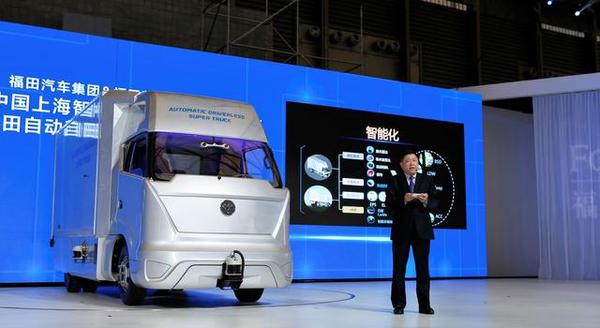
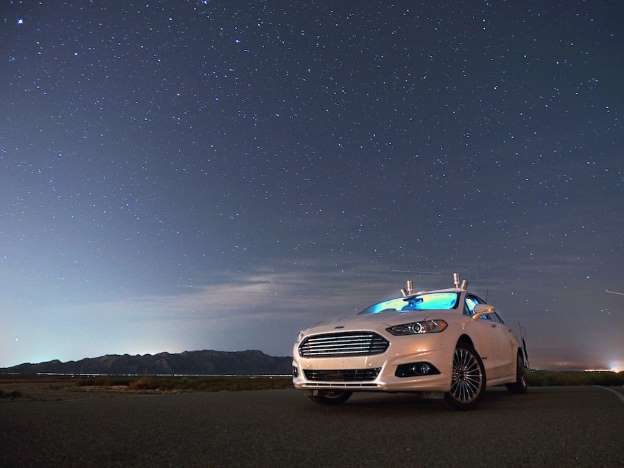
Ford Motor and Baidu Inc started a two-year project on Wednesday to test self-driving automobiles on Chinese roads, in middle of a global race by automakers and internet firms to develop autonomous vehicle technology.
The project will begin testing on designated roads in Beijing by the end of this year, and possibly other Chinese areas, the two companies stated.
The vehicles will be capable of running autonomously in certain conditions by the time the project completes the development and testing process, they stated.
By the end of the test duration, the project will reach so-called level 4 technology for autonomous vehicles, or autonomous driving but not entirely. It is the second-highest tier after level 5, which describes vehicles that should be able to navigate roads without any driver input.
Ford and Baidu, China’s top search engine operator that also working on self-driving tech in the nation, stated in June they would develop connected services, artificial intelligence and digital marketing in China.
The U.S. automaker, which is grappling with decreasing China sales, is a founding member of the Apollo Committee, an advisory group for Baidu’s Apollo self driving driving open platform.
Beijing gave Daimler AG the green light to test self-driving cars on roads in July, making it the first global automaker to be granted such a license in Beijing.
Related Posts
Stay Informed With the Latest & Most Important News
Previous Post
Next Post

Advertisement

-
 01Audi Launches RS3 Competition Limited, Celebrates 50 Years of the Company`s Five-Cylinder Engine Fame
 -
 02Polestar Boss Says It’s Time To Outrun BMW M And Mercedes-AMG
 -
 032026 Corvette ZR1 Production Surges Past Expectations as Output Clears 1,000 Units
 -
 04Spy Shots: 2027 Mitsubishi Pajero Spotted in Testing Ahead of Possible U.S. Return
 -
 052026 Toyota Hilux EV: A Powerful Truck with Silent Torque
 -
![2027 Mercedes-Benz S-Class Debuts with V8 Engine [Photo Gallery]](https://speedlux.com/wp-content/uploads/2026/01/2027-Mercedes-Benz-S-Class-33-155x125.jpg) 062027 Mercedes-Benz S-Class Debuts with V8 Engine [Photo Gallery]
062027 Mercedes-Benz S-Class Debuts with V8 Engine [Photo Gallery] -
 07Spy Photos: VW ID. Polo GTI Goes Electric with 223 HP and 280 Miles of Range