








Now Reading: 1967 Shelby Mustang GT350
-
01
1967 Shelby Mustang GT350
1967 Shelby Mustang GT350

There is no doubt that Shelby’s Mustangs are ones of the best muscle cars out there, but you might wonder: “Has it always been like this?”. Well, the answer is yes, it has. The 1967 Shelby Mustang GT350 is the proof of that.
Even though this car cannot compete with Shelby’s 2012 Mustang, the GT500, the 1967 classic car that is the GT350 is a vehicle of legend.
The engine is a 4.7L V8 delivers around 300 horsepower, that for that time was absolutely fantastic. It goes from 0-60 in 7.1 seconds and reaches a top speed of 129 mph. Keep in mind though, that this car is 44 years old, and it can still be classified as a muscle car, with great performances for its age. The GT350 uses a 4-speed automatic transmission.
In 1967 alone, over 2,200,000 vehicles were sold by Ford. The production continued until 1968, and each vehicle cost about $100.000 when it was released.
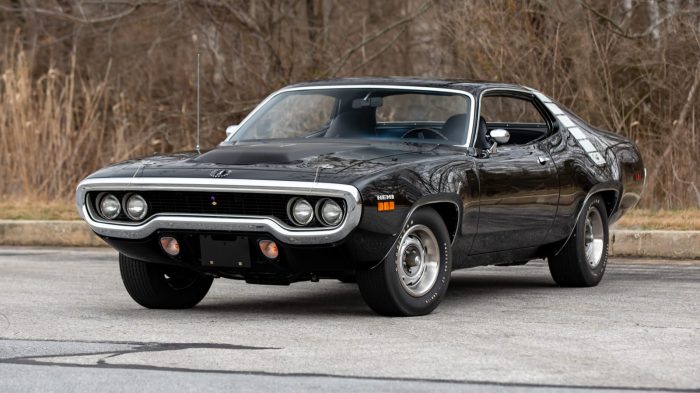
Inside, there isn’t much to see, apart from the extremely simple dashboard. It’s the kind of design we see in old James Bond movies, and it sure takes some of us back. On the outside, though, we can see why this vehicle is a muscle car – it’s roaring with strength and imposes respect.
This is the kind of car that makes you go “Wow!”. Even after so much time, the sound it makes is matchless, and whatever kind of car you like to drive, this one will certainly make you happy.
Related Posts

Stay Informed With the Latest & Most Important News
Previous Post
Next Post


Advertisement

-
 01Audi Launches RS3 Competition Limited, Celebrates 50 Years of the Company`s Five-Cylinder Engine Fame
 -
 02Polestar Boss Says It’s Time To Outrun BMW M And Mercedes-AMG
 -
 032026 Corvette ZR1 Production Surges Past Expectations as Output Clears 1,000 Units
 -
 04Spy Shots: 2027 Mitsubishi Pajero Spotted in Testing Ahead of Possible U.S. Return
 -
 052026 Toyota Hilux EV: A Powerful Truck with Silent Torque
 -
![2027 Mercedes-Benz S-Class Debuts with V8 Engine [Photo Gallery]](https://speedlux.com/wp-content/uploads/2026/01/2027-Mercedes-Benz-S-Class-33-155x125.jpg) 062027 Mercedes-Benz S-Class Debuts with V8 Engine [Photo Gallery]
062027 Mercedes-Benz S-Class Debuts with V8 Engine [Photo Gallery] -
 07Spy Photos: VW ID. Polo GTI Goes Electric with 223 HP and 280 Miles of Range