






Now Reading: Infiniti Q50 gains a Mercedes-sourced 2.0-liter turbo engine with 211 bhp
-
01
Infiniti Q50 gains a Mercedes-sourced 2.0-liter turbo engine with 211 bhp
Infiniti Q50 gains a Mercedes-sourced 2.0-liter turbo engine with 211 bhp
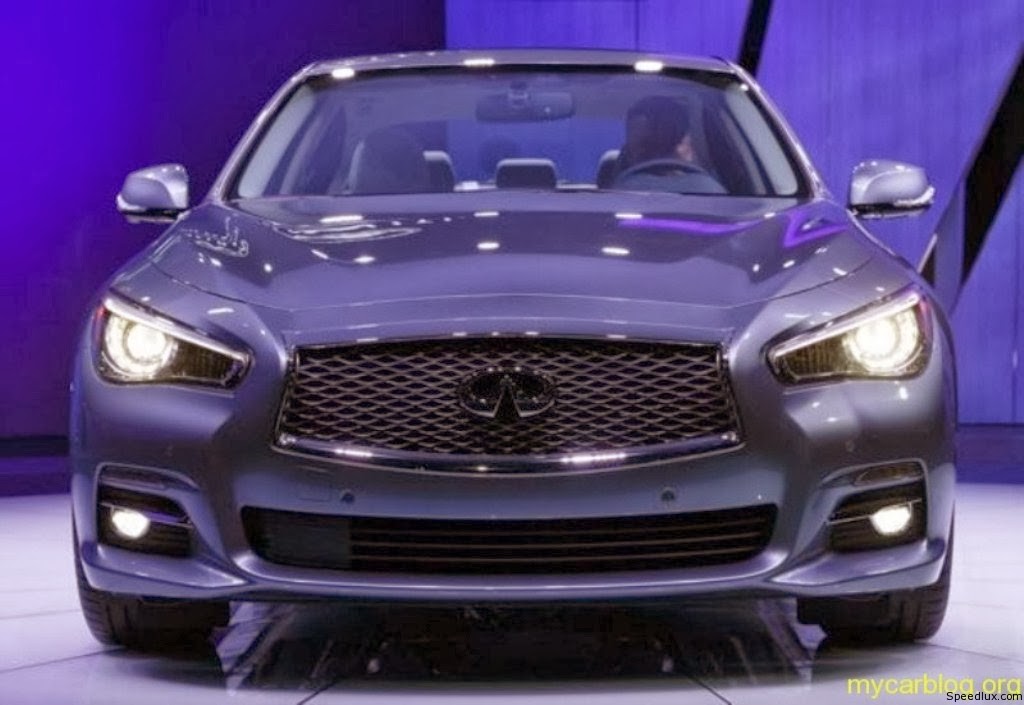
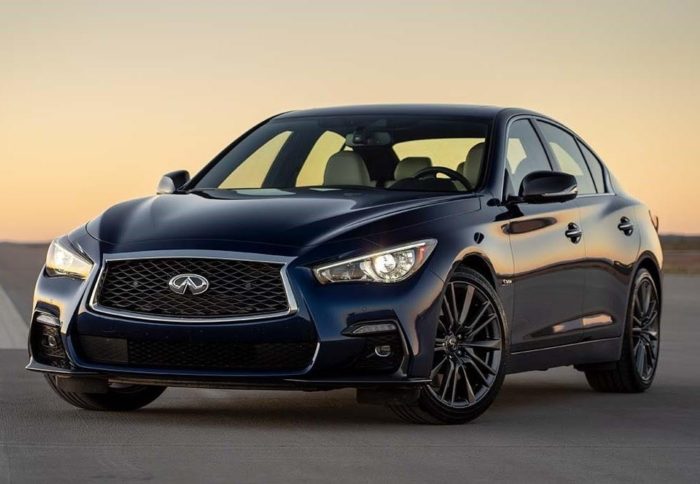
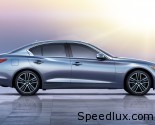
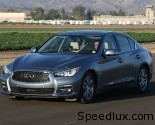
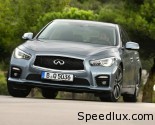
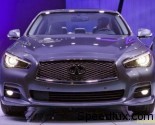
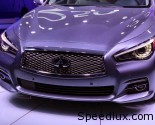
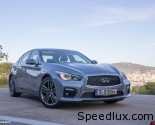
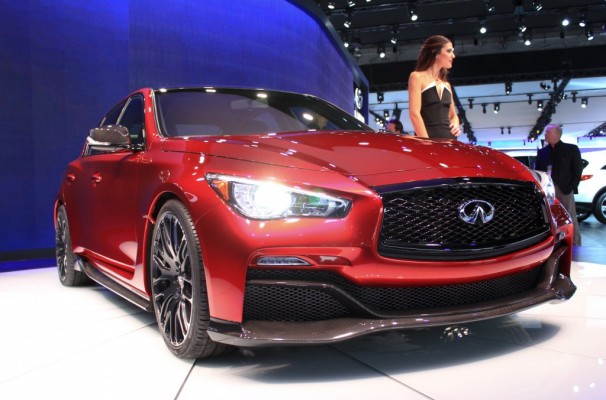
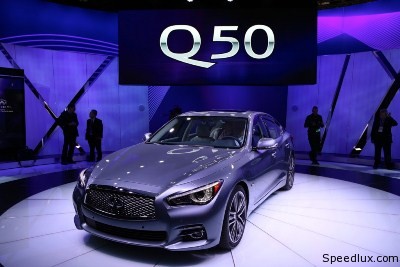
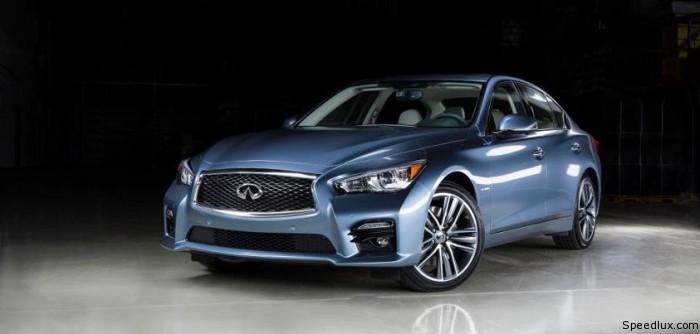
Infiniti has recently introduced an entry-level Q50 at the Guangzhou Motor Show.
Set to go on sale next spring in China, the Q50 comes equipped with a turbocharged 2.0-liter petrol engine that generates 211 hp (157 kW) and 236 lb-ft (320 Nm) of torque. In spite of the fact that the engine has been sourced from Mercedes-Benz, engineers have still retuned the engine to ensure it is in line with Infinitis brand characteristics.
However the company did not release performance specifications of the model but Infiniti did confirm that the engine will eventually be offered in international markets as well. As per some of the earlier reports, the Q50 is already available with a Mercedes-sourced 2.2-liter four-cylinder diesel engine that generates output of 170 HP (125 kW) and 400 Nm (295 lb-ft) of torque. With this output, the car is able to accelerate from 0-100 kmph (0-62 mph) in less than 9 seconds and can hit a top speed of around 230 kmph (143 mph).
Well the details are limited as of now but we can expect more details to be out soon and so we will keep you updated about the same.
Related Posts
Stay Informed With the Latest & Most Important News
Previous Post
Next Post
Advertisement

-
 01Audi Launches RS3 Competition Limited, Celebrates 50 Years of the Company`s Five-Cylinder Engine Fame
 -
 02Polestar Boss Says It’s Time To Outrun BMW M And Mercedes-AMG
 -
 032026 Corvette ZR1 Production Surges Past Expectations as Output Clears 1,000 Units
 -
 04Spy Shots: 2027 Mitsubishi Pajero Spotted in Testing Ahead of Possible U.S. Return
 -
 052026 Toyota Hilux EV: A Powerful Truck with Silent Torque
 -
 06Spy Photos: VW ID. Polo GTI Goes Electric with 223 HP and 280 Miles of Range
 -
![2027 Mercedes-Benz S-Class Debuts with V8 Engine [Photo Gallery]](https://speedlux.com/wp-content/uploads/2026/01/2027-Mercedes-Benz-S-Class-33-155x125.jpg) 072027 Mercedes-Benz S-Class Debuts with V8 Engine [Photo Gallery]
072027 Mercedes-Benz S-Class Debuts with V8 Engine [Photo Gallery]