


















Now Reading: Mirrorless cars approved in Japan
-
01
Mirrorless cars approved in Japan
Mirrorless cars approved in Japan
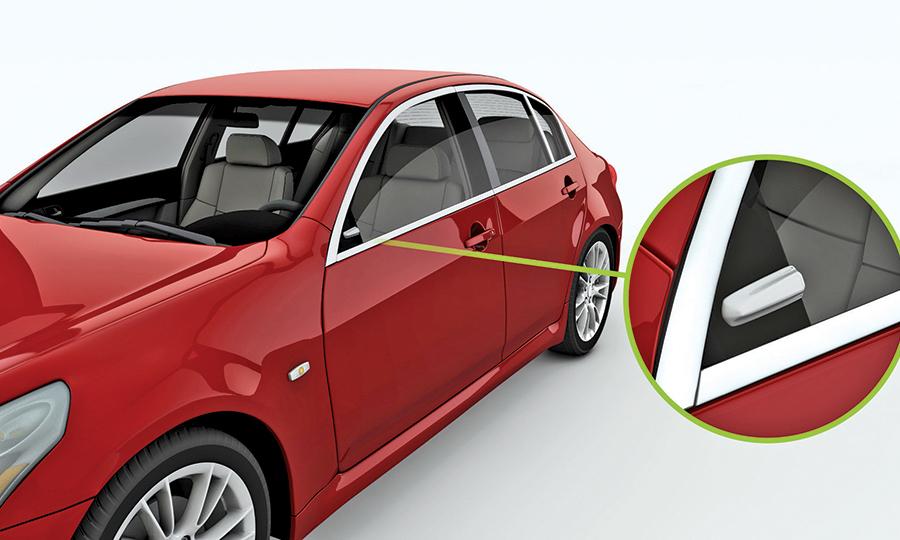
Security requires a good view of the area surrounding one’s car. Generally, bigger mirrors placed plainly indicates better vision for the chauffeur. At the very same time, however, they’re a bit of discomfort. Though they improve vision to your sides and rear, they compromise a little visual realty at the same time. They’re vulnerable to damage from passing automobiles, garage doors, and drive-through automobile cleans.
We’ve seen a number of principle vehicles that silently leave out mirrors for a much better overall visual aesthetic. Other automakers integrate camera as a more secure, better looking, and more effective option to the issues mirrors pose. There’s simply one problem: pesky laws.
The very first domino towards mirrorless future has fallen, though, as Japan has actually authorized making use of camera in their location, pointing out, in part, enhanced resolution and the improvement of video innovation. The relocation follows an approval in last year by the UN’s World Forum for Harmonization of Vehicle Regulations for video replacements satisfying specific requirements.
It’s anticipated that more governments will begin to authorize replacing mirrors with live video feed in the future. Japan beat Europe in this regard, which might provide its automakers a benefit, however the EU is anticipated to do the same this year, followed by the United States in 2018.
Stay Informed With the Latest & Most Important News
Previous Post
Next Post








Advertisement

-
 01Polestar Boss Says It’s Time To Outrun BMW M And Mercedes-AMG
 -
 02Audi Launches RS3 Competition Limited, Celebrates 50 Years of the Company`s Five-Cylinder Engine Fame
 -
 032026 Corvette ZR1 Production Surges Past Expectations as Output Clears 1,000 Units
 -
 04Spy Shots: 2027 Mitsubishi Pajero Spotted in Testing Ahead of Possible U.S. Return
 -
 052026 Toyota Hilux EV: A Powerful Truck with Silent Torque
 -
![2027 Mercedes-Benz S-Class Debuts with V8 Engine [Photo Gallery]](https://speedlux.com/wp-content/uploads/2026/01/2027-Mercedes-Benz-S-Class-33-155x125.jpg) 062027 Mercedes-Benz S-Class Debuts with V8 Engine [Photo Gallery]
062027 Mercedes-Benz S-Class Debuts with V8 Engine [Photo Gallery] -
 07Spy Photos: VW ID. Polo GTI Goes Electric with 223 HP and 280 Miles of Range