
















Now Reading: ‘Smoking gun’ found by researchers in Volkswagen emissions cheat code
-
01
‘Smoking gun’ found by researchers in Volkswagen emissions cheat code
‘Smoking gun’ found by researchers in Volkswagen emissions cheat code

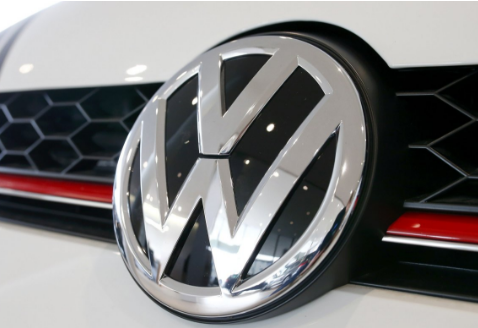
Took no less than a year, but finally researchers discovered the mechanism that Volkswagen utilized to cheat emissions tests, buried in lines of code released on the automaker’s own website.
A group of computer scientists at the University of California San Diego hauled through copies of the code, which operated on Volkswagen’s onboard computers for models consisting of the 2009-2015 model year Volkswagen Jetta, Beetle and Golf.
According to the report of researchers, the code permitted vehicles to spot when they were going through emissions testing and trigger a “defeat device” to minimize emissions. If the vehicle identified it wasn’t being tested, it would disable these emissions controls, leading some vehicles to release as much as 40 times the enabled levels of nitrogen oxides.
Volkswagen provided a statement suggesting that 11 million vehicles contained the prohibited code.
While the researchers said “Volkswagen’s unfaithful was breathtaking in scope,” they noted the code was openly available on the company’s maintenance site and on forums run by automobile fans. They studied 900 variations of code and found 400 that included the cheat.
“We found proof of the scams right there in public view,” stated lead researcher Kirill Levchenko. “We had the ability to discover the smoking gun,” Levchenko added.
Related Posts
Stay Informed With the Latest & Most Important News
Previous Post
Next Post






Advertisement

-
 01Audi Launches RS3 Competition Limited, Celebrates 50 Years of the Company`s Five-Cylinder Engine Fame
 -
 02Polestar Boss Says It’s Time To Outrun BMW M And Mercedes-AMG
 -
 032026 Corvette ZR1 Production Surges Past Expectations as Output Clears 1,000 Units
 -
 04Spy Shots: 2027 Mitsubishi Pajero Spotted in Testing Ahead of Possible U.S. Return
 -
 052026 Toyota Hilux EV: A Powerful Truck with Silent Torque
 -
 06Spy Photos: VW ID. Polo GTI Goes Electric with 223 HP and 280 Miles of Range
 -
![2027 Mercedes-Benz S-Class Debuts with V8 Engine [Photo Gallery]](https://speedlux.com/wp-content/uploads/2026/01/2027-Mercedes-Benz-S-Class-33-155x125.jpg) 072027 Mercedes-Benz S-Class Debuts with V8 Engine [Photo Gallery]
072027 Mercedes-Benz S-Class Debuts with V8 Engine [Photo Gallery]