












Now Reading: Ford to utilize CO2 to make foam and plastic for cars
-
01
Ford to utilize CO2 to make foam and plastic for cars
Ford to utilize CO2 to make foam and plastic for cars
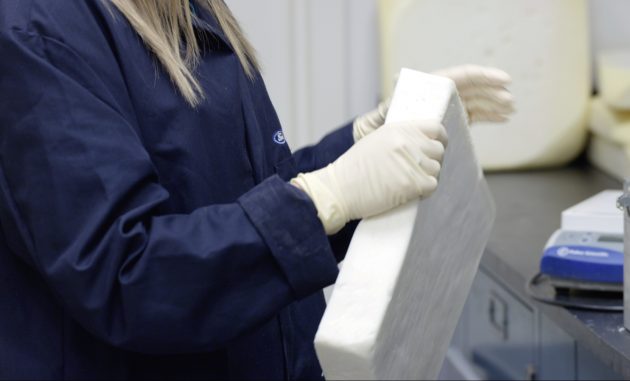
Ford states it will be the very first automaker to develop and check new foam and plastic elements that are developed from carbon dioxide. These are anticipated to be utilized in Ford production automobiles under the next 5 years, the company states.
The foam is developed with approximately 50% CO2-based polyols and has been subjected to rigorous automotive test requirements, producing favourable outcomes. When ready, the foam might find usage in seating and under-bonnet applications. In addition, it will minimize petroleum use by over 600 million pounds every year.
Ford began dealing with a number of services, suppliers and universities in 2013 to discover applications for recorded CO2. Novomer has actually been one of them. The New York-based service uses CO2 captured from manufacturing plants, and through a system of conversions, produces a polymer that can be developed into recyclable foam, plastic and other materials.
The Blue Oval hopes that the firm’s early adoption and application of caught carbon will help reach long-term objectives to decrease global warming.
Although ingenious, this will not be the first sustainable product that the automaker has used to its products. In the past, soybeans have actually been utilized for seat foams, kenaf in door boosts, recycled Tees and jeans used for carpeting and recycled plastic bottles have actually been turned into seat material.
Related Posts

Stay Informed With the Latest & Most Important News
Previous Post
Next Post






Advertisement

-
 01Polestar Boss Says It’s Time To Outrun BMW M And Mercedes-AMG
 -
 02Audi Launches RS3 Competition Limited, Celebrates 50 Years of the Company`s Five-Cylinder Engine Fame
 -
 032026 Corvette ZR1 Production Surges Past Expectations as Output Clears 1,000 Units
 -
 04Spy Shots: 2027 Mitsubishi Pajero Spotted in Testing Ahead of Possible U.S. Return
 -
 052026 Toyota Hilux EV: A Powerful Truck with Silent Torque
 -
![2027 Mercedes-Benz S-Class Debuts with V8 Engine [Photo Gallery]](https://speedlux.com/wp-content/uploads/2026/01/2027-Mercedes-Benz-S-Class-33-155x125.jpg) 062027 Mercedes-Benz S-Class Debuts with V8 Engine [Photo Gallery]
062027 Mercedes-Benz S-Class Debuts with V8 Engine [Photo Gallery] -
 07Spy Photos: VW ID. Polo GTI Goes Electric with 223 HP and 280 Miles of Range