











Now Reading: BMW M5 2012
-
01
BMW M5 2012
BMW M5 2012

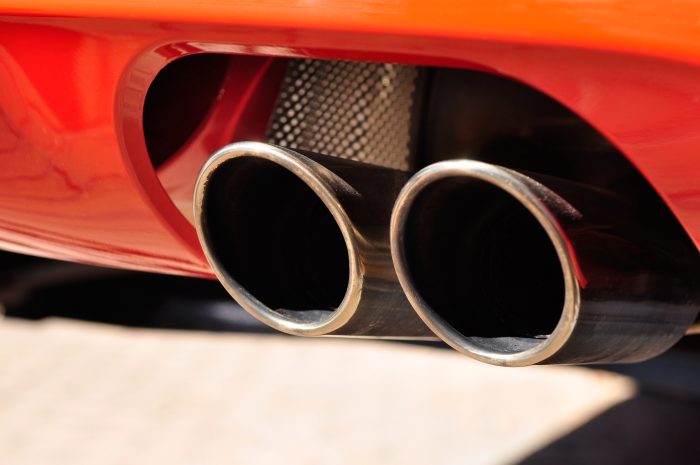
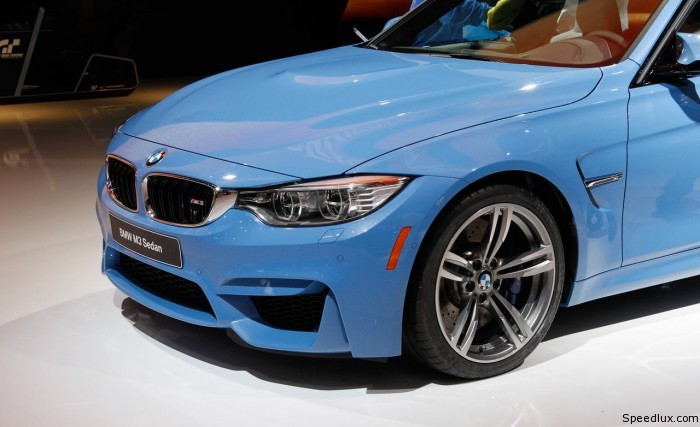
Looking virtually identical to the M5 concept, the production model “is poised to build on the tradition of its predecessors and once again redefine the performance experience available in a four-door car.” As such, the car is distinguished by an aggressive front fascia, aerodynamic side skirts and a modest rear diffuser. Other highlights include a unique grille (with black slates), front fender vents, adaptive xenon headlights (with LED rings), a four-tailpipe exhaust system and 19-inch alloy wheels.
Interior changes are minor but include Merino leather sport seats, a revised instrument cluster and an M steering wheel with two buttons that offer pre-selected engine, transmission and suspension setups. Elsewhere, there’s aluminium trace trim, an Anthracite headliner and a 10.2-inch iDrive display. In the tech department, the M5 offers a head-up display, night vision technology (with pedestrian recognition), a lane change/departure warning system, a surround view camera and internet connectivity.
Power comes from a twin-turbo 4.4-liter V8, which is equipped with an exclusive cross-bank exhaust manifold, that produces 560 PS (412 kW / 552 hp) and 680 Nm (502 lb-ft) of torque. It is paired to a seven-speed M Double Clutch Transmission


that enables the car to accelerate from 0-100 km/h (62 mph) in 4.4 seconds, 0-200 km/h (124 mph) in 13.0 seconds and hit a top speed of 250 km/h (155 mph) – or 305 km/h (190 mph) with M Driver’s Package. Despite the immense performance, the car is relatively frugal as it has an average fuel consumption of 9.9 L/100 km (28.5 mpg imp / 23.8 mpg US) and CO2 emissions of 232 g/km.
On the handling front, the M5 has electronically controlled dampers (with Comfort, Sport and Sport Plus modes), an M-specific Servotronic steering system, high-performance compound brakes and an Active M Differential. Speaking of the latter, the rear differential “is connected with the DSC (Dynamic Stability Control) system, via FlexRay high-speed data transfer technology, and constantly cross-checks the data collected by its sensors with the feedback from DSC. It then uses this information to calculate the locking force required to deliver optimum traction and stability.”
Related Posts
Stay Informed With the Latest & Most Important News
Previous Post
Next Post




Advertisement
-
 01BYD’s Great Tang Arrives As a Flagship SUV with 1,500 kW Charging and a Nine-Minute 10–97% Claim
 -
 02Nissan Sets New GT-R Direction with Hybrid V6 Plan and Fresh Chassis Before 2030
 -
 03Audi Launches RS3 Competition Limited, Celebrates 50 Years of the Company`s Five-Cylinder Engine Fame
 -
 042026 Toyota Hilux EV: A Powerful Truck with Silent Torque
 -
 05Polestar Boss Says It’s Time To Outrun BMW M And Mercedes-AMG
 -
 062026 Corvette ZR1 Production Surges Past Expectations as Output Clears 1,000 Units
 -
 07Chinese EV Brand Zeekr Builds Strong Reputation Among Australian Buyers