































Now Reading: How To Diagnose Seized Engines and Avoid Costly Repairs
-
01
How To Diagnose Seized Engines and Avoid Costly Repairs
How To Diagnose Seized Engines and Avoid Costly Repairs
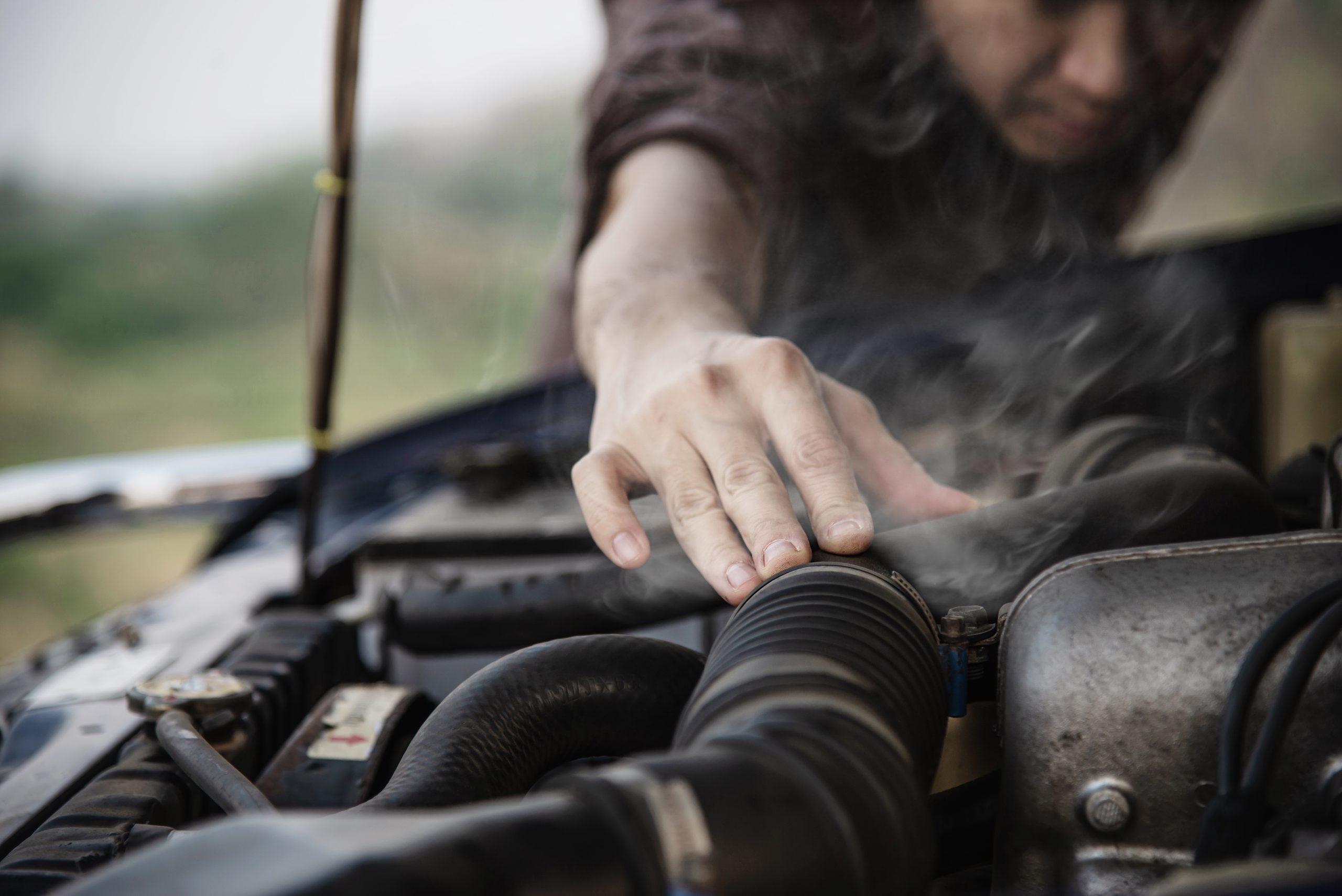
A seized engine is a nightmare for any car owner. It’s that dreaded moment when your vehicle suddenly stops running, leaving you stranded on the side of the road. The engine seizes up due to various reasons, such as lack of lubrication, overheating, or mechanical failure. Recognizing the signs of a seized engine early on can save you from costly repairs and extensive damage. In this article, we will guide you through the process of diagnosing a seized engine and provide valuable tips on how to prevent it. To ensure your engine remains in good condition, it’s essential to use the right products, such as penetrating oils for seized engines.
Recognizing the Symptoms
When an engine seizes, it essentially means that its internal components have become stuck, preventing the crankshaft from rotating. Here are some common symptoms that indicate a seized engine:
- Engine Failure
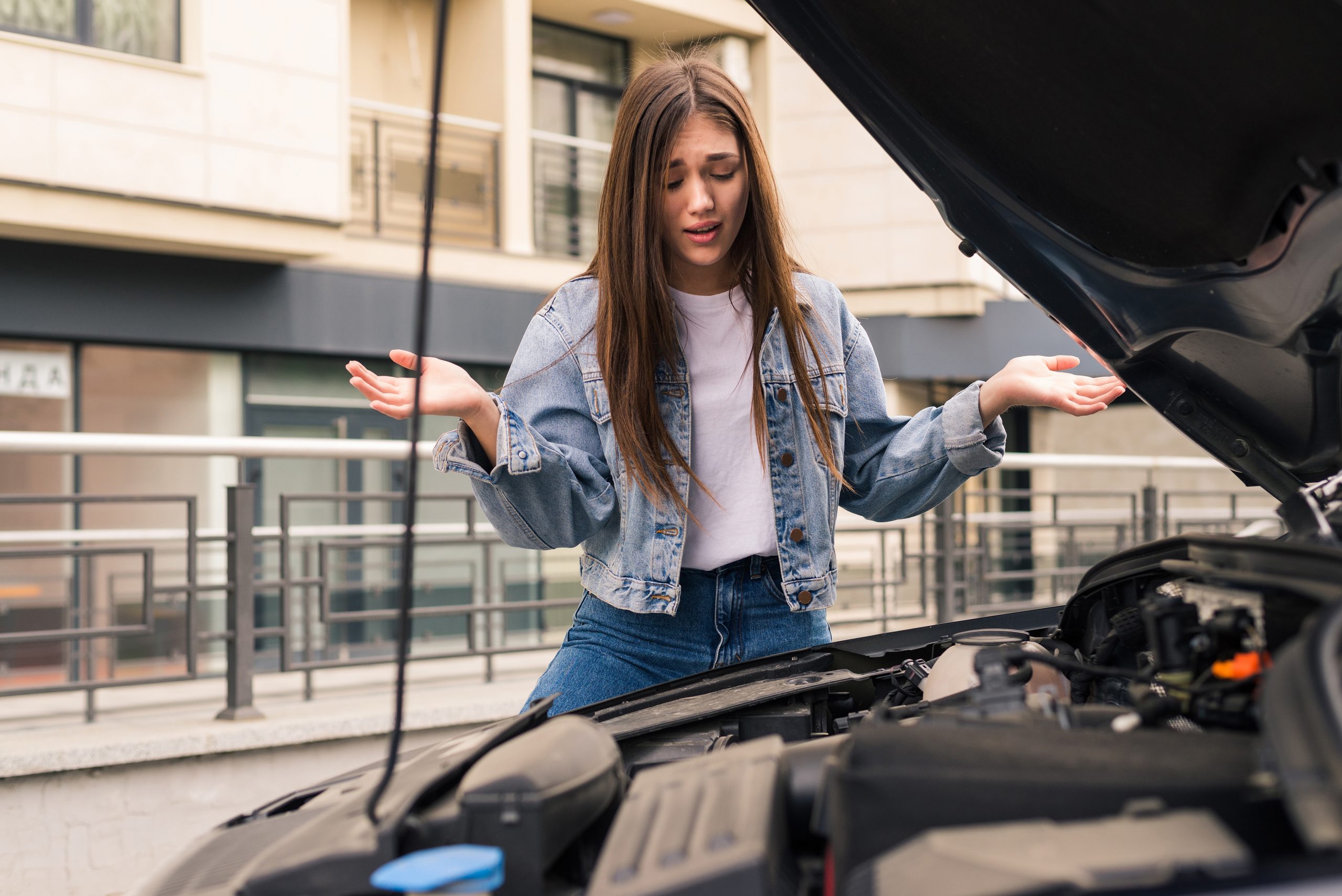
If your engine suddenly stops running and refuses to start again, it could be a sign of a seized engine. Attempting to start the vehicle might result in a clicking or grinding noise instead of the engine turning over.
- Lack of Movement
When you try to accelerate, and the vehicle fails to respond, it’s likely that the engine has seized. You may also experience a significant loss of power or a sudden decrease in speed.
- Overheating
A seized engine can cause the temperature gauge to rise rapidly, leading to overheating. If you notice steam or smoke coming from the engine compartment, it’s crucial to pull over immediately and turn off the engine to prevent further damage.
- Unusual Noises
Seized engines often produce strange noises, such as knocking, grinding, or screeching sounds. These noises indicate internal damage and require immediate attention.
Diagnosing a Seized Engine
Once you suspect that your engine has seized, it’s essential to diagnose the issue accurately. Here are the steps to follow:
- Check the Oil Level
Inspect the engine oil level using the dipstick. A seized engine often indicates low or no oil. If the oil level is insufficient, it could have resulted in inadequate lubrication, leading to friction and subsequent engine failure.
- Assess the Oil Condition
Apart from the oil level, the condition of the oil can also reveal valuable information about the engine’s health. If the oil appears thick, sludgy, or contains metal particles, it indicates a serious problem. Contaminated oil can hinder proper lubrication, leading to increased friction and engine seizure.
- Examine the Belts and Pulleys
Inspect the belts and pulleys connected to the engine. A broken or loose belt can cause the engine to seize. Look for signs of damage, such as cracks or fraying, and ensure that the belts are properly tensioned.
- Rotate the Crankshaft
Use a wrench or socket to manually rotate the crankshaft in the engine bay. If the crankshaft doesn’t move or feels extremely stiff, it confirms that the engine is seized.
Preventing Seized Engines
Prevention is always better than cure, especially when it comes to engine problems. Follow these preventive measures to reduce the risk of engine seizure and avoid costly repairs:
- Regular Maintenance
Adhere to your vehicle’s recommended maintenance schedule. Regular oil changes, filter replacements, and inspections can significantly prolong the life of your engine.
- Check Oil Levels
Make it a habit to check your engine oil regularly using the dipstick. Maintaining the appropriate oil level is crucial for proper lubrication and preventing friction-related issues.
- Use High-Quality Engine Oil

Always use the manufacturer-recommended engine oil that matches the specifications outlined in your vehicle’s owner’s manual. High-quality engine oils provide better lubrication and protection against engine seizure.
- Maintain Cooling System
Ensure that your vehicle’s cooling system is in good working condition. Regularly check the coolant level and monitor the temperature gauge to prevent overheating, which can lead to engine seizure.
- Avoid Overexertion
Be mindful of your driving habits and avoid putting excessive strain on your engine. Avoid sudden acceleration, excessive revving, or overloading the vehicle beyond its recommended capacity.
- Warm-Up Period
Allow your engine to warm up before driving, especially during cold weather. This practice allows the engine oil to circulate and lubricate all the vital components effectively.
- Regular Inspection of Belts and Pulleys
Periodically inspect the belts and pulleys connected to your engine. Look for signs of wear, cracks, or fraying, and replace them promptly if necessary. Properly tensioned belts reduce the risk of engine seizure.
- Address Warning Signs Promptly
If you notice any warning signs such as unusual noises, changes in performance, or engine overheating, address them promptly. Ignoring these signs can lead to severe engine damage and increased repair costs.
Using Penetrating Oils for Seized Engines
When dealing with a seized engine, one effective solution is the use of penetrating oils. These oils are specifically formulated to break through rust, corrosion, and stubborn deposits, allowing the components to move freely again. Penetrating oils work by penetrating the tight spaces between seized parts, loosening them and reducing friction. There are several high-quality penetrating oils available in the market. Using a reputable penetrating oil can help save you from costly repairs and potential engine replacement.
When applying penetrating oil, follow these steps:
- Ensure Safety: Park your vehicle in a well-ventilated area away from open flames or heat sources. Wear protective gloves and safety glasses to protect yourself during the process.
- Identify Seized Components: Locate the specific parts that are causing the engine to seize. Common areas include pistons, valves, and bearings.
- Apply the Penetrating Oil: Spray or apply the penetrating oil directly onto the seized components. Allow it to sit for the recommended time as specified by the manufacturer. The oil will penetrate the tight spaces and work to loosen the seized parts.
- Repeat the Application: For stubborn or severely seized components, it may be necessary to repeat the application of the penetrating oil several times. Be patient and allow the oil to work its way into the affected areas.
- Attempt to Rotate the Engine: After allowing sufficient time for the penetrating oil to work, try rotating the engine manually using a wrench or socket. Apply gentle pressure and avoid excessive force to prevent further damage.
- Seek Professional Help if Necessary: If the penetrating oil fails to free up the seized components or if you are uncomfortable performing the procedure yourself, it is advisable to seek assistance from a qualified mechanic or automotive professional.
Final Thoughts
A seized engine can be a distressing and expensive problem to deal with. However, by understanding the symptoms, diagnosing the issue correctly, and following preventive measures, you can minimize the risk of engine seizure and avoid costly repairs. Regular maintenance, proper lubrication, and prompt attention to warning signs play a vital role in keeping your engine healthy and running smoothly.
Related Posts


Stay Informed With the Latest & Most Important News
Previous Post
Next Post









Advertisement

-
 01Polestar Boss Says It’s Time To Outrun BMW M And Mercedes-AMG
 -
 02Audi Launches RS3 Competition Limited, Celebrates 50 Years of the Company`s Five-Cylinder Engine Fame
 -
 032026 Corvette ZR1 Production Surges Past Expectations as Output Clears 1,000 Units
 -
 04Spy Shots: 2027 Mitsubishi Pajero Spotted in Testing Ahead of Possible U.S. Return
 -
 052026 Toyota Hilux EV: A Powerful Truck with Silent Torque
 -
![2027 Mercedes-Benz S-Class Debuts with V8 Engine [Photo Gallery]](https://speedlux.com/wp-content/uploads/2026/01/2027-Mercedes-Benz-S-Class-33-155x125.jpg) 062027 Mercedes-Benz S-Class Debuts with V8 Engine [Photo Gallery]
062027 Mercedes-Benz S-Class Debuts with V8 Engine [Photo Gallery] -
 07Spy Photos: VW ID. Polo GTI Goes Electric with 223 HP and 280 Miles of Range