































Now Reading: How much it will cost you to ship a car?
-
01
How much it will cost you to ship a car?
How much it will cost you to ship a car?
Introduction
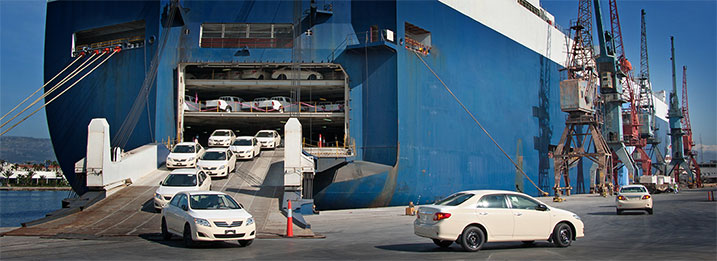
Auto transport companies ship vehicles from one city to another, one state to another and even one country to another. Some reasons people need to ship a vehicle include:
- Individuals making a cross-country move
- Car collectors purchasing a classic car from out of state.
- Small businesses purchasing a small fleet of vehicles for local transport or delivery services.
- Cab companies that need to replace their entire fleet of vehicles.
No matter your reason for having your vehicle shipped, you want to find the best deal for the shipment while guaranteeing your vehicle is delivered safely and on time. This guide will help you figure out how to find the best shipping carrier based on the vehicle being shipped and your budget.
Methodology
I consulted with over a dozen auto transport websites to get some general information about auto transport. To get an unbiased opinion on what consumers need to know before the book their auto transport, I consulted with Troy Green, who is a representative from the Federal Motor Carrier Safety Administration (FMCSA). To get some background on auto transport for classic cars, I consulted with Jim McCabe, who is the Special Projects Manager of the Henry Ford Museum in Dearborn, Michigan.
Who it’s for
This guide will be particularly useful for consumers who are considering hiring an auto transport broker or auto transport carrier for a cross-country move. Classic car owners who want to take their cars to a different state without adding unnecessary miles will also find this guide helpful. Finally, this guide will be useful for anyone shipping a car between the United States and Europe.
How to find the right company to ship your car
There are a lot of options out there for shipping your car, so how do you choose who to entrust with your vehicle? Let’s start by taking a look at the two main types of vehicle transporters: auto transport brokers and auto transport carriers:
Auto transport brokers:
Auto transport brokers do not actually ship your vehicle. Instead, they charge you a fee for shipping your vehicle, then find a shipper for you. The benefit to using a broker is selection: brokers have access to a wide range of vehicle transporters and can often get you a better rate than you could find on your own. Because of their flexibility in choosing from several carriers, going with an auto transport broker also tends to result in a quicker pick up than you could get when calling an individual carrier. One downside is that you communicate with the broker, not the carrier, so you might not have the most accurate information when it comes to scheduling and the time in between pickup and delivery.
Auto transport carriers:
Auto transport carriers do the heavy lifting of loading, transporting and delivering your vehicle to its final destination. When you work with an auto transport carrier, you have direct contact with the carrier. This means that you will have a more accurate idea of pickup and delivery times, overall costs and insurance information. The downside to going with auto transport carriers instead of a broker is that you need to do all the work when it comes to nailing down pricing information and availability. Depending on the urgency of the situation and what else you have going on, it might be worth it in the end to use a broker who will take care of these details for you.
Avoid being scammed
Shipping a car is a major undertaking, so you want to take your time selecting a legitimate business. Don’t trust your vehicle to just anyone who claims to be an auto transporter. “Be suspicious of any Web site where it is not clear whether the company is a broker or a transporter,” advises FMCSA.dot.gov. This is a sign that the company might be committing fraud.
In addition, make sure that either the broker or the carrier is registered with the FMCSA, which is required by federal law. Registered brokers and carriers are given a six-digit number called their MC Docket number, which should be prominently displayed on their website. FMCSA recommends that consumers actively avoid doing business with any auto broker or auto carrier company that does not have their MC Docket number prominently displayed online as there is no way to guarantee they are legitimate.
Additionally, checking online reviews, such as those submitted on ConsumerAffairs, can be extremely helpful in weeding out the good from the bad brokers and carriers. FMCSA has a database which consumers can refer to, they can determine whether a selected company is registered with the FMCSA and view complaint records and history.
What affects your shipping cost
National averages:
Coast to coast transport for a compact four-door sedan: $600-$1,000
Coast to coast transport for a small van, pick up truck or SUV: $800-$1,070
The final cost of shipping your vehicle will vary depending on several factors including:
- Shipping options
- Vehicle type
- Distance
- Timing
- Insurance
- Delivery time
- Bulk rate for fleets of vehicles
- Payment method
Shipping options:
Here’s a breakdown of the shipping options available to you as well as how these affect your overall shipping cost.
- Door-to-door: Probably the most convenient option, door-to-door shipping means the carrier picks your vehicle up from your preferred location (usually your home or place of work) and delivers it to your final destination. Because it involves extra time on the road for the driver, this method of shipping tends to cost slightly more than other options. Keep in mind that some home or work locations are inaccessible for carriers who cannot navigate narrow roads with their equipment, so you may need to compromise and set up a delivery point close to your final destination.
- Terminal-to-terminal: For this option, you drop your vehicle off at a vehicle storage location. From there, your carrier drives it to another vehicle storage location that is close to your final destination, which is where you pick it up.
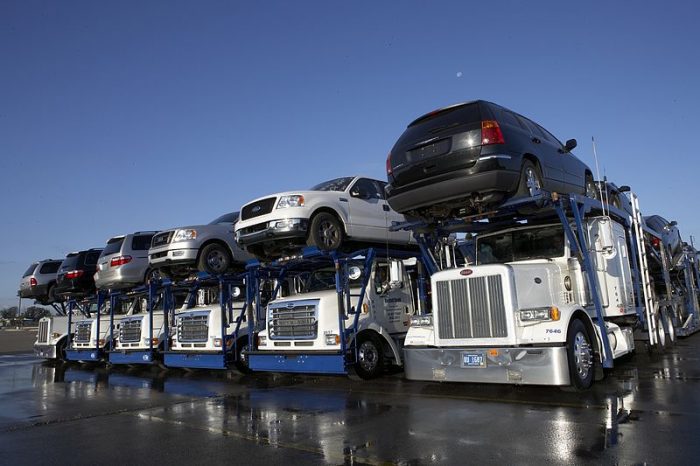
- Open transport: As the name suggests, your car is transported openly and is therefore exposed to the elements when you choose open transport. This is the most economical way to ship a vehicle but not recommended for classic vehicles.
- Enclosed transport: The exact opposite of open transport, enclosed transport means that the vehicle is protected from outdoor elements including wind, rain, hail, snow, and dust. This is recommended for high-end and/or classic vehicles that need added protection, though it can cost up to 60 percent more than open transport.
- Operable: An operable vehicle can be driven directly onto the truck, making it easy for shippers to load and unload your vehicle.
- Inoperable: If your vehicle is inoperable, your carrier will need to use special equipment to load it onto the truck. Be sure to alert the shipping carrier ahead of time if your vehicle is inoperable as they will need to have these tools on hand the day that they are planning to begin transport. The added time and equipment involved can also increase your total shipping cost.
Vehicle type:
The size of your vehicle will make a difference in total shipping cost. For instance, it will cost on average $650-$850 to transport sedans between New York and Florida. The same company will charge $800-$1,100 to transport SUVs, vans and pickup trucks the same distance.
Distance:
It shouldn’t be a surprise that the further your vehicle needs to travel, the more it’s going to cost you. Shipping rates might fluctuate depending on the company you choose, though, so research several companies to find out how much they will charge you based on distance. Here’s a general guideline for how long it will take your vehicle to ship across the country:
- East Coast to West Coast: Five to 14 days
- Midwest to East Coast: Three to eight days
- Midwest to West Coast: Three to eight days
- South to North: Three to eight days
Timing:
Expect to pay more during peak months. Prices to ship a vehicle in the summer months can increase as much as $200-$300 per trip. If you are in the early stages of planning for vehicle transportation, ask about peak rates and find out if the carrier or broker offers discounts during the offseason. Shop around for one that does since this can add up to significant overall savings.
Insurance:
A reputable shipping company will include insurance in their quote. Make sure you know whether their insurance is primary or secondary to yours, and check with your personal insurance company to see if they will cover any damages that shipping might incur. Keep personal items and valuables out of your vehicle as these will not be covered under car insurance policies in the event of damage or theft. Finally, find out if the shipping company’s insurance comes with a damage deductible, and keep written copies of everything related to insurance in the event of an accident.
Delivery time:
Expect to pay more if you need your vehicle a day or two after it leaves and less if you are flexible about when your vehicle will show up at its final destination. Generally you will be given a three day window for pick-up followed by a reasonably accurate date for delivery. If you need your vehicle picked up by a certain date, most companies will be able to store your vehicle in their facility for an additional fee. You can expect to pay anywhere from $200 to $500 more for rushed shipping than for flexible shipping.
Vehicle fleets:
If you are a cab company or any other business that needs to ship a fleet of vehicles, you might be able to get a discount from your shipping company for shipping in bulk. Be sure to ask your broker or carrier about a bulk discount as it might not be openly advertised online or in their brochures.
Payment methods:
Be aware that while most shipping companies should accept all forms of payment including cash, check, and credit cards, some will charge a two to three percent surcharge when you use a credit card. Be sure to find out what payment method your shipping carrier takes and if you will need to pay anything additional to pay with a credit card. Most transport companies will charge a deposit before they pick up your vehicle that will be applied to your total upon delivery. Many carriers offer a 100 percent refundable deposit, while brokers tend to deny refunds. If you are concerned about getting a refund for any reason, this might make going with a carrier a better option for you.
Shipping a classic car
Shipping a classic car takes some additional consideration. In addition to all of the above factors, you will need to find a carrier that understands the specific needs of your classic vehicle.The Henry Ford Museum in Dearborn, Michigan, has a wide variety of classic cars coming in and out of its doors, which means they need to use different carriers who understand the intricate needs of different cars.
“In general we like to work with companies that understand the uniqueness of many of the vehicles in our collection, and who are attentive to our instructions for handling and securing the vehicles,” says McCabe. Some features they might request from different carriers include: climate control for vehicles that have heat-sensitive materials, finishes or adhesives; trailers with flat-floors for vehicles that are non-runners (meaning vehicles that have to be pushed instead of driven); and a moveable upper rack that can be made high enough to fit tall vehicles, including horse-drawn vehicles.
Whether you are in the business of shipping a wide variety of classic vehicles or just want to buy a classic car from another state you can drive around on weekends, it’s essential that you choose an auto carrier that has experience shipping classic cars and can make sure your vehicle arrives to its final destination safely.
Shipping your car from the U.S.
Exporting your vehicle from the United States requires a lot of logistics and paperwork. Fortunately, auto shippers are well-versed in the ins and outs of exporting vehicles from the United States, so they can handle most of the leg work for you including dealing with customs and taking care of the actual transport of your vehicle.
Here’s a step-by-step guide for what you need to do before you ship your American car to a country in the European Union (EU):
- Get your paperwork in order: Even with an auto shipper taking care of the leg work for you, you still need to provide the right documentation to prove that you own your vehicle legally and that it can leave the country. Here are the documents you need to find:
- Notarized title
- If it exists, a letter from the lien holder
- Shipper export declaration form (available online or from your auto shipper)
- Declaration of dangerous goods form (this is also available online or from your auto shipper)
- Call your insurance company: Some insurance companies will provide coverage for overseas transport of your vehicle while others won’t. Call your insurance company to find out whether or not you need to purchase shipping insurance separately. While you’re on the phone, find out if your insurance coverage includes driving in a foreign country. If it doesn’t, then now is a good time to start shopping for insurance that will cover you while you’re driving abroad.
- Find an auto transporter: Use the handy reviews above to find the best auto transporter for your international shipping needs. You will want to take a few things into consideration such as cost, accessibility and, of course, positive reviews from consumers.
- Find out how customs works in the country you are travelling to: Every country has their own policy when it comes to taxing your vehicle. Some countries, like Germany, don’t charge tax if you are moving your there as a permanent resident.
-
Clean your car: There’s more than just vanity at stake here. Taking the time to thoroughly clean your car as well as check your tire air pressure, battery and fluids is a practical way to make sure your car works when it gets to your destination.
- Empty your car: Make sure to take all of your personal belongings and possessions out of your vehicle before you transport it.
Cost of importing an American vehicle into Europe
Taxes
You will have to pay duty on your vehicle before it can clear customs. Here’s a breakdown of what you should expect to pay in taxes when you ship your car from the U.S. to the European Union:
- Trucks: 22 percent
- Passenger cars: 10 percent
- Motorcycles with engine capacity up to 250 cc: 8 percent
- Motorcycles with engine capacity over 250 cc: 6 percent
In addition to paying duty, you will also need to pay import tax, which will vary from 19 percent to 22 percent Value Added Tax (VAT) depending on the country.
Customs
Using an auto transport company will simplify the customs process for you, but you still need to have an accurate customs card filled out and ready upon the arrival of your vehicle. Your customs declaration will include the following:
- Accurate description of the vehicle (including year, make, model and any other relevant information)
- Description of the vehicle as a gift, personal or commercial item
- Value of the vehicle (this is typically your purchase price)
How to avoid delay
This is where it is crucial to work with an auto transport company that you trust. Some companies or importers might decrease the value on your customs declaration in order to reduce or eliminate the amount of taxes that you pay. However, getting caught for providing fraudulent information on your customs declaration can result in delays up to and including the seizure of your vehicle. You are ultimately responsible for your customs declaration, so do this part yourself, and make sure it is accurate.
According to U.S. Customs and Border Protection, non-American vehicles (both used and new) transported into the United States pay duty at the following rates:
- Auto: 2.5 percent
- Trucks: 25 percent
- Motorcycles: up to 2.4 percent
However, the following people can import their vehicles duty-free:
- U.S. Citizens who were employed abroad and/or government employees who are returning to the U.S. on TDY or voluntary duty: These returning American citizens are allowed to import a non-American car without paying duty as long as they are entering the United States for a short visit. They must also claim nonresident status and export the vehicle upon their departure from the U.S.
- Military/civilian U.S. government employees who are returning to the U.S. after an assignment: They are allowed to include a conforming vehicle among their duty-free effects provided they meet all the qualifications set by the U.S. Customs and Border Protection.
- Non-residents: Non-residents are allowed to import a non-American vehicle duty-free for up to one year as long as the vehicle’s import is part of their arrival into the country.
Gas-guzzler tax
Yes, there is such a thing as a national gas-guzzler tax, and your car might be liable for it when you import it into the U.S. if its estimated fuel economy is less than 22.5 miles per gallon. The tax factors in both urban and highway gas economy provided by the Environmental Protection Agency (EPA). Note that the rating determined by the EPA might differ from the manufacturer’s fuel-economy ratings, so you may end up paying this tax even if your vehicle’s manufacturer claims a fuel economy of 22.5 miles per gallon or higher.
License plates
Contact your local DMV to find out your state’s requirements for getting a new license plate.
Shipping your car to the U.S.
Conclusion
When it comes to shipping your vehicle, expect to pay anywhere from $600 to over $1,000 depending on the type of vehicle you are transporting, the distance it is being transported and additional factors including enclosed shipping, paying by credit card, additional insurance and rush delivery. If you are shipping a classic car and have specific needs, expect to pay a premium. The added cost will be worth it when your vehicle arrives unscathed. Always verify payment options, insurance and pick up/delivery times and options before signing a contract. Make sure to read through our consumer reviews to find an auto shipper that meets your needs.
This article was written by Kate Williams, and was originally published on ConsumerAffairs.
Related Posts


Stay Informed With the Latest & Most Important News
Previous Post
Next Post









Advertisement

-
 01Audi Launches RS3 Competition Limited, Celebrates 50 Years of the Company`s Five-Cylinder Engine Fame
 -
 02Polestar Boss Says It’s Time To Outrun BMW M And Mercedes-AMG
 -
 032026 Corvette ZR1 Production Surges Past Expectations as Output Clears 1,000 Units
 -
 04Spy Shots: 2027 Mitsubishi Pajero Spotted in Testing Ahead of Possible U.S. Return
 -
 052026 Toyota Hilux EV: A Powerful Truck with Silent Torque
 -
![2027 Mercedes-Benz S-Class Debuts with V8 Engine [Photo Gallery]](https://speedlux.com/wp-content/uploads/2026/01/2027-Mercedes-Benz-S-Class-33-155x125.jpg) 062027 Mercedes-Benz S-Class Debuts with V8 Engine [Photo Gallery]
062027 Mercedes-Benz S-Class Debuts with V8 Engine [Photo Gallery] -
 07Spy Photos: VW ID. Polo GTI Goes Electric with 223 HP and 280 Miles of Range