

















Now Reading: Lexus LF-ZC Electric Sedan Reportedly Shelved as Toyota Reconsiders Priorities
-
01
Lexus LF-ZC Electric Sedan Reportedly Shelved as Toyota Reconsiders Priorities
Lexus LF-ZC Electric Sedan Reportedly Shelved as Toyota Reconsiders Priorities
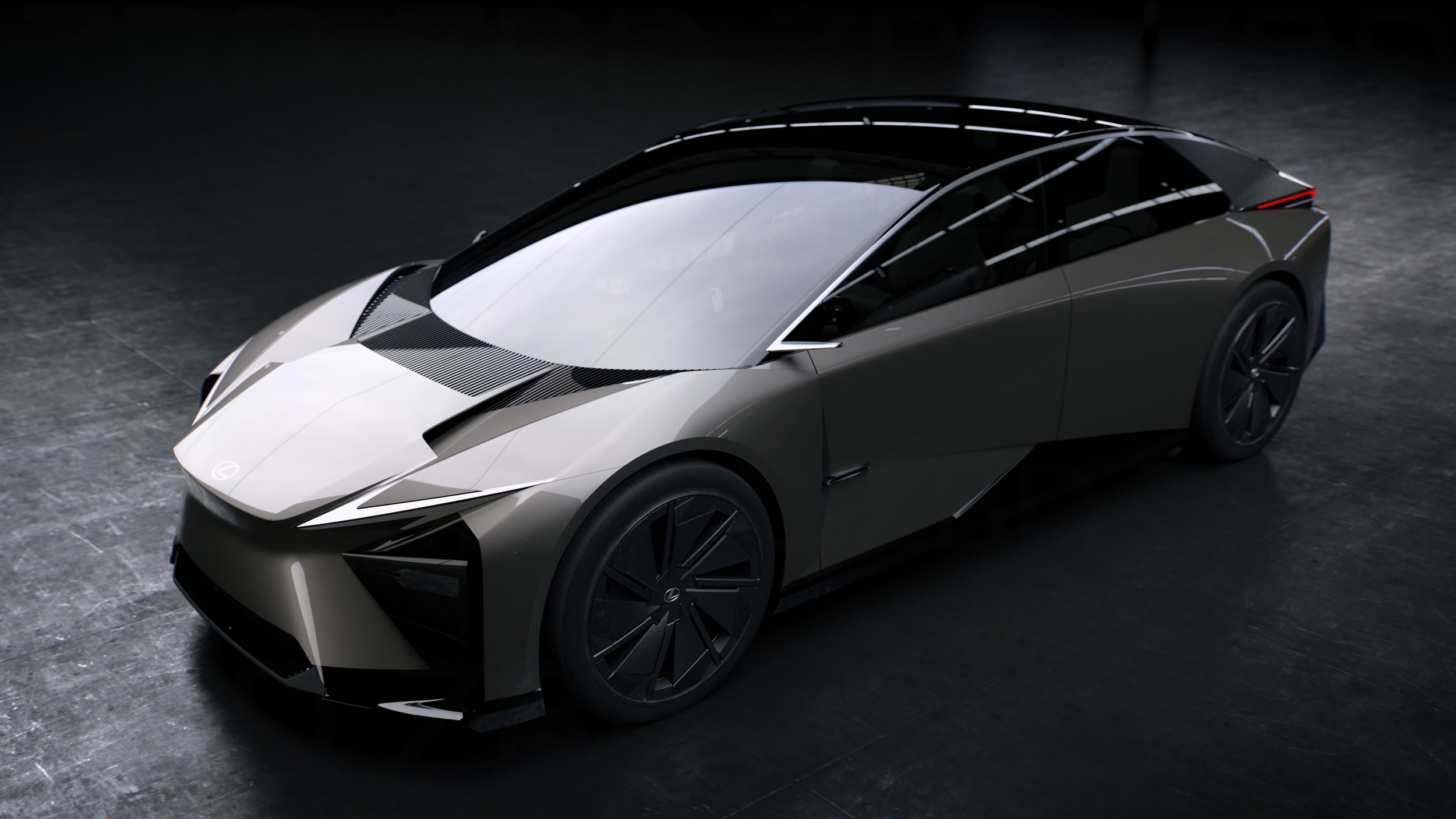
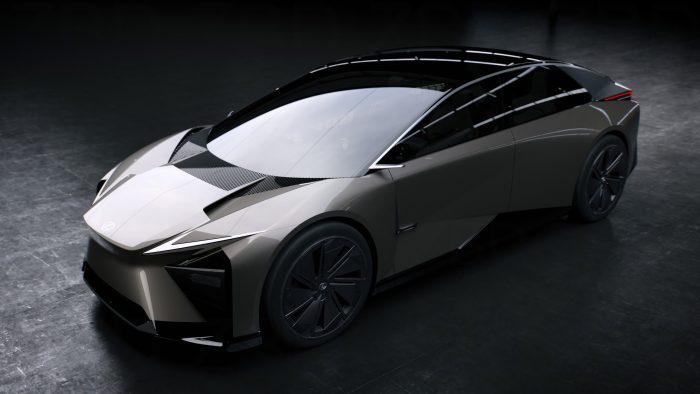
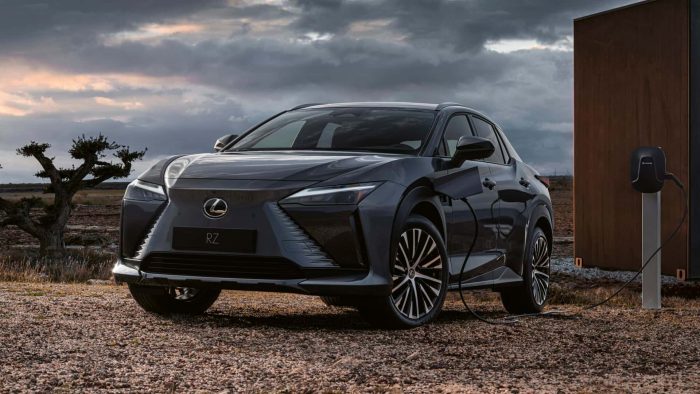
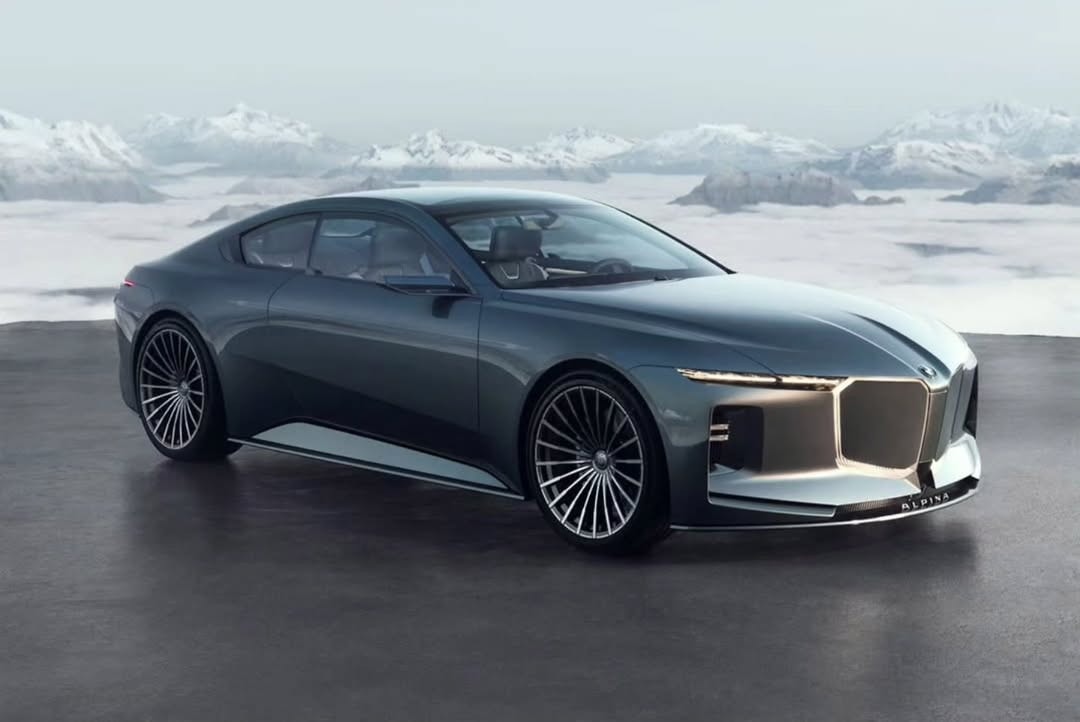
Back in 2023, Lexus arrived at the Japan Mobility Show with the Future Zero-emission Catalyst concept. The company planned to turn the LF-ZC into a production electric luxury sports sedan.
At first, the target was 2026. Later, the launch moved to 2027.
Now the project appears finished. Reports from May 2026 indicate Toyota has cancelled the program before production ever began.
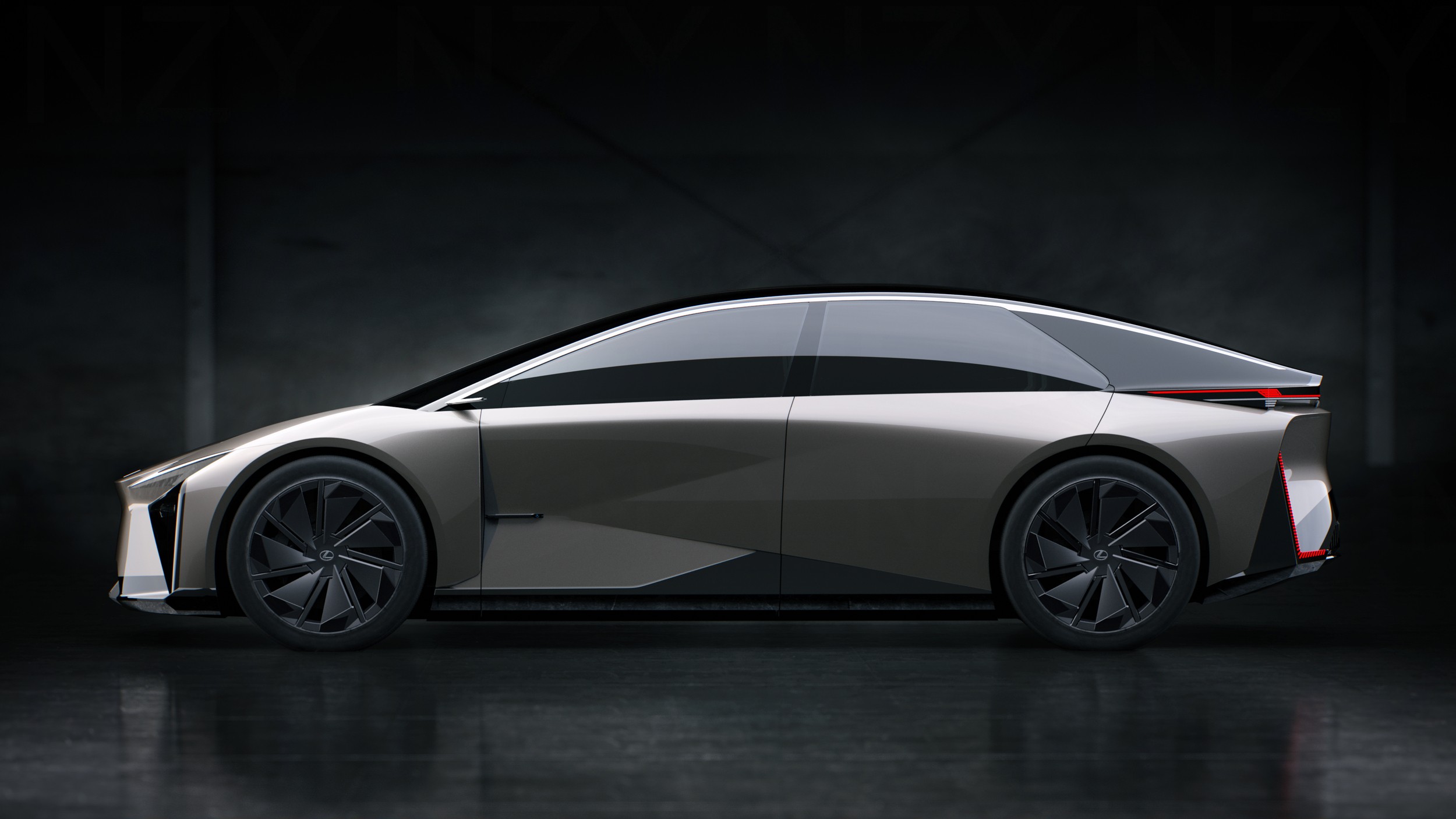
According to Nikkei, the decision follows a broader shift inside the world’s largest automaker. Toyota has reportedly redirected resources toward sport utility vehicles and other vehicle categories with stronger profit potential. The move comes as electric vehicle demand has cooled across several major markets.
The slowdown has not affected every corner of the industry equally. Premium brands have felt the pressure more clearly than some mainstream manufacturers.
Toyota is hardly alone. In February 2026, Lamborghini abandoned plans for its first battery-electric model. The Italian company, instead, continued concentrating on plug-in hybrids. Current priorities include the Urus sport utility vehicle, the Temerario supercar, and the Revuelto flagship.
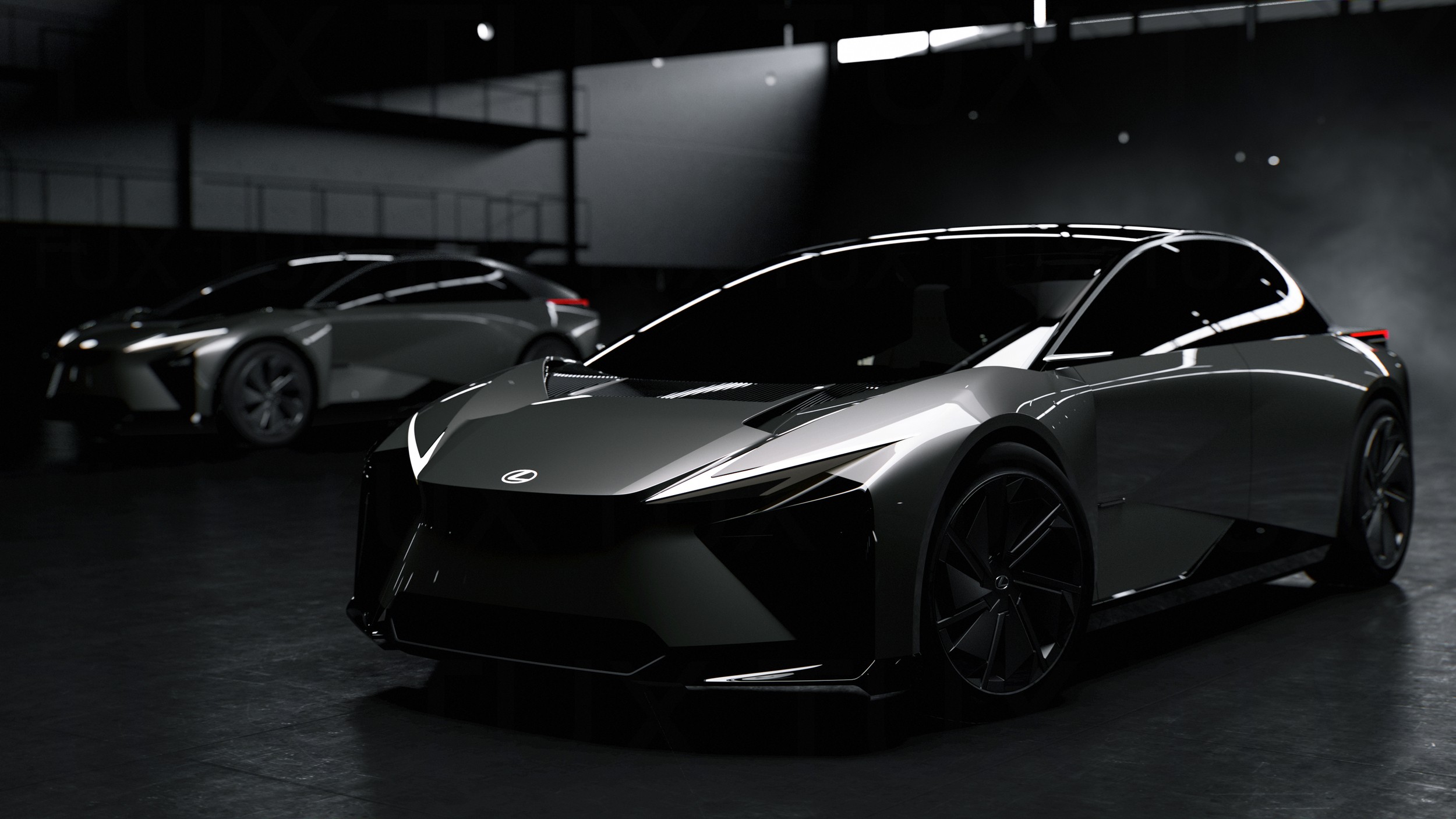
A few years ago, many manufacturers publicly discussed becoming fully electric by 2030 in selected regions. Those conversations sound different today. Several companies have adjusted earlier plans, while hybrid vehicles have gained momentum.
Toyota benefits from that trend, as demand for hybrid models has increased, and the Japanese manufacturer already has a long-established presence in that segment.
Still, market conditions do not appear to be the only reason behind the LF-ZC cancellation.
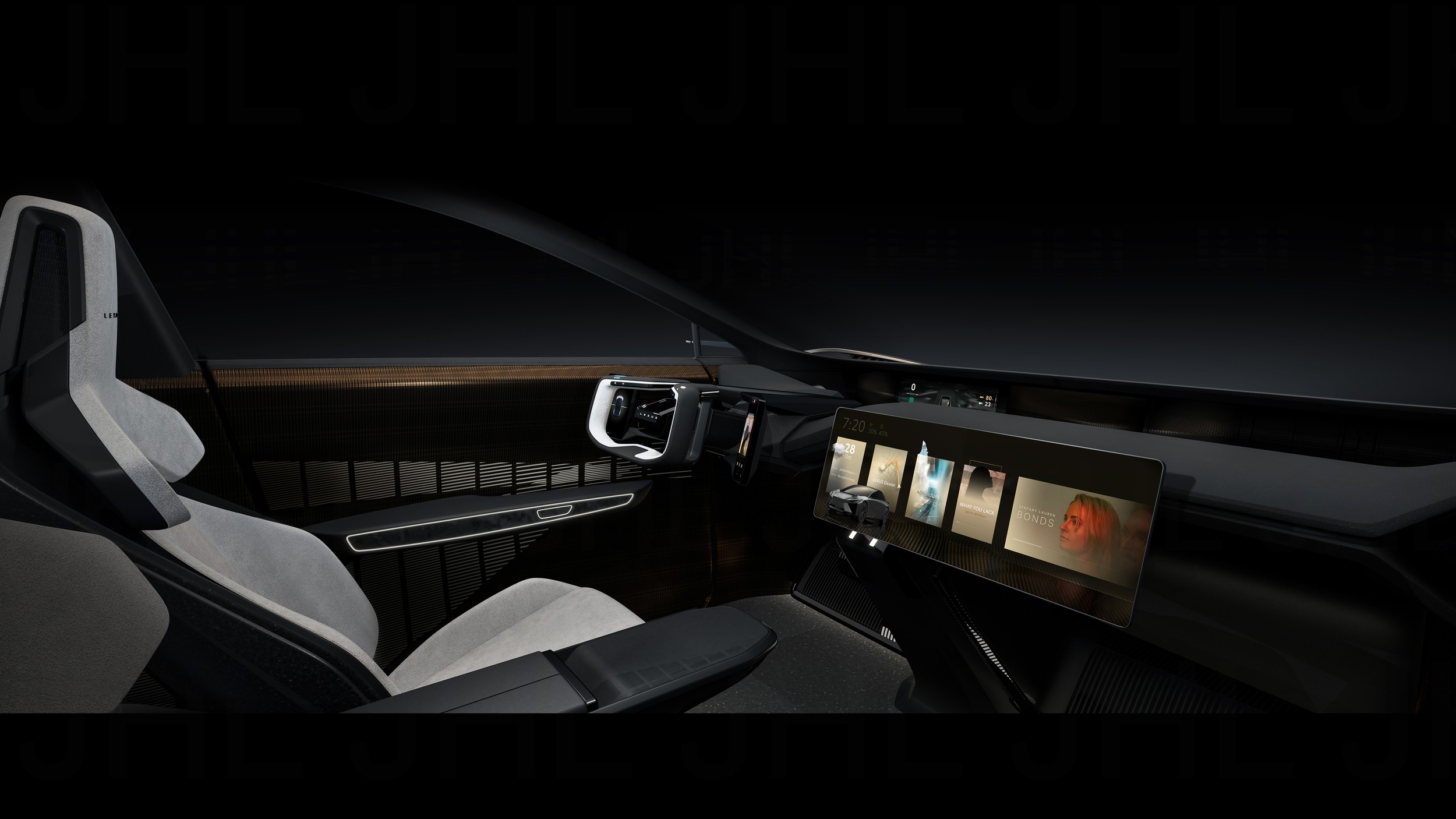
The sedan was supposed to introduce a number of future Toyota production technologies. Among them stood large-scale aluminum casting methods intended for future vehicle programs. More development work appears necessary before those systems are ready for broader use.
Then there is the battery question. Toyota continues investing heavily in solid-state battery research. The technology has become one of the industry’s main targets, particularly as Chinese manufacturers reportedly maintain a lead over many Western rivals.
The theory sounds attractive. Removing liquid electrolytes and bulky packaging allows battery cells to sit closer together. Higher energy density becomes possible as a result. Another advantage involves safety, since removing liquid electrolytes reduces much of the fire risk associated with conventional battery designs.
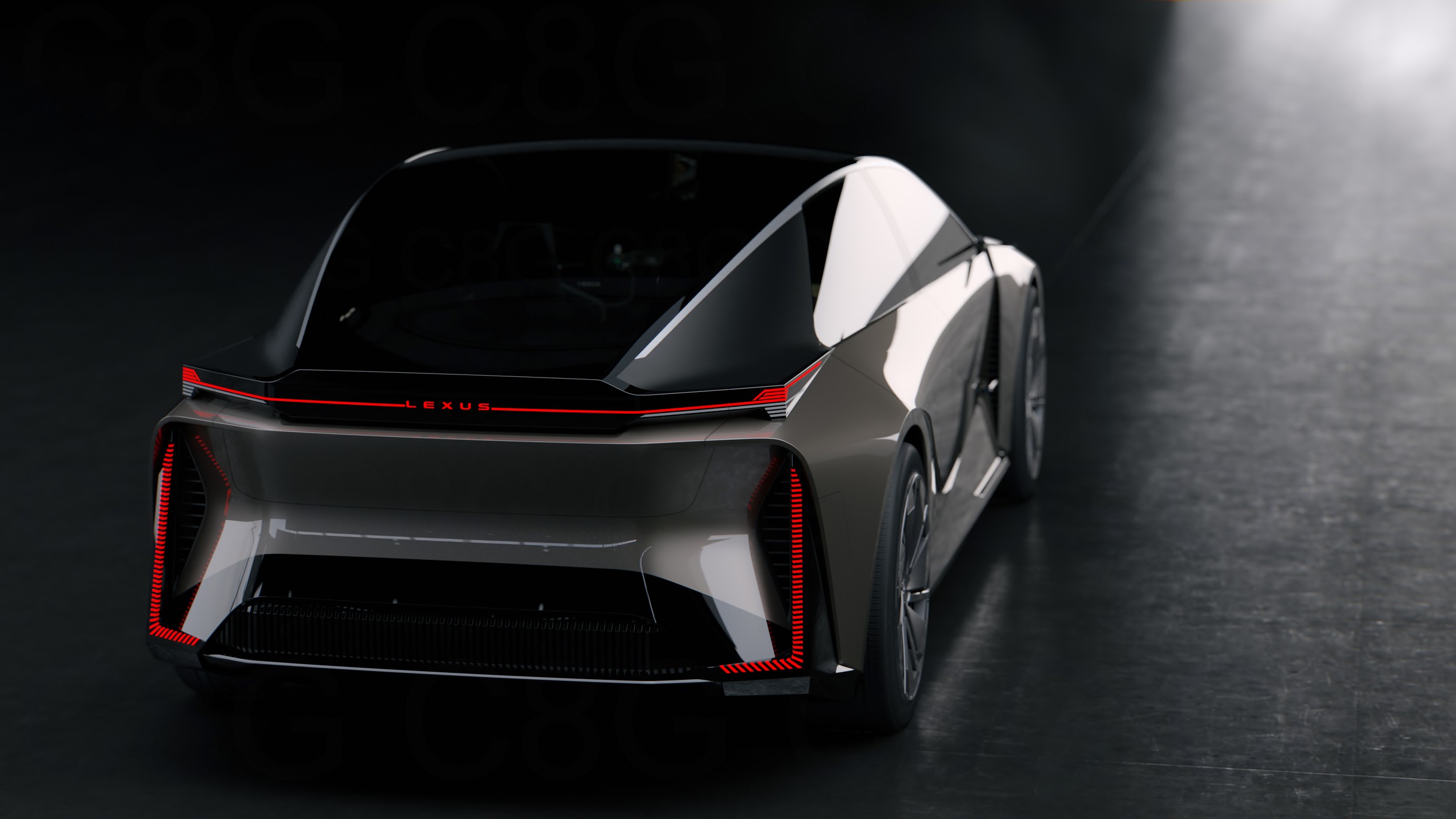
Some manufacturers have already experimented with semi-solid-state batteries. Those systems sit between traditional battery packs and full solid-state designs. Reports indicate liquid content drops from around 15 percent to 5 percent or less.
The LF-ZC may be gone, but Lexus has not abandoned every related project. The LF-ZL sport utility vehicle remains under consideration. Meanwhile, Toyota continues work on solid-state batteries and gigacasting technology, aiming to bring both into future production vehicles once development reaches the required stage.
Related Posts
Stay Informed With the Latest & Most Important News
Previous Post
Next Post






Advertisement

-
 01BYD’s Great Tang Arrives As a Flagship SUV with 1,500 kW Charging and a Nine-Minute 10–97% Claim
 -
 02Nissan Sets New GT-R Direction with Hybrid V6 Plan and Fresh Chassis Before 2030
 -
 03Audi Launches RS3 Competition Limited, Celebrates 50 Years of the Company`s Five-Cylinder Engine Fame
 -
 04Polestar Boss Says It’s Time To Outrun BMW M And Mercedes-AMG
 -
 052026 Toyota Hilux EV: A Powerful Truck with Silent Torque
 -
 062026 Corvette ZR1 Production Surges Past Expectations as Output Clears 1,000 Units
 -
 07Chinese EV Brand Zeekr Builds Strong Reputation Among Australian Buyers