







Now Reading: Dutch Flying Car Draws Royal Attention as PAL-V Advances Toward Market Launch
-
01
Dutch Flying Car Draws Royal Attention as PAL-V Advances Toward Market Launch
Dutch Flying Car Draws Royal Attention as PAL-V Advances Toward Market Launch
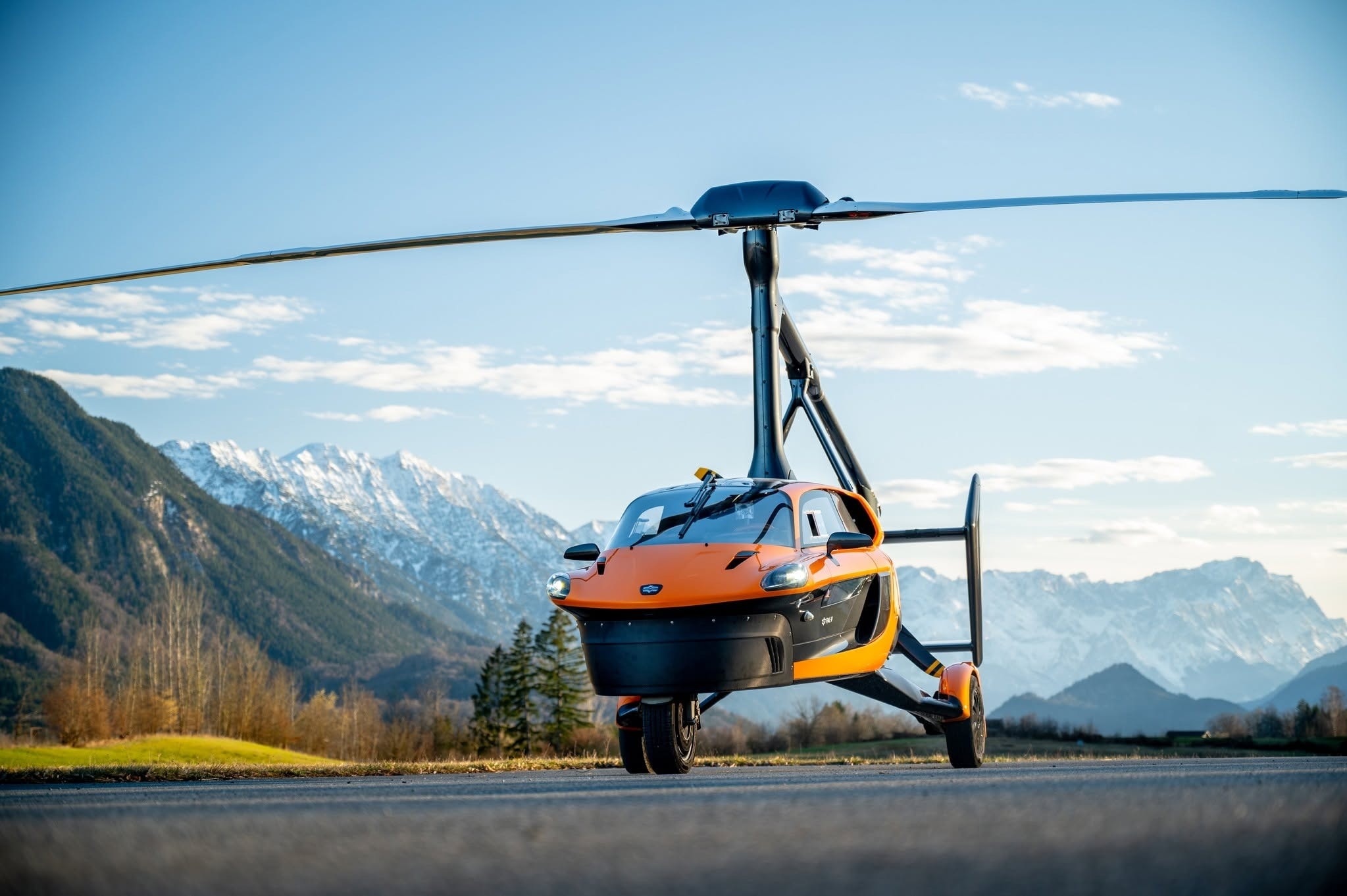
Flying cars have been a category of ambitious concepts for decades. PAL-V sits in a different position. The Dutch company already stands among the few names in this segment moving toward certification and commercial deployment, and its latest public appearance attracted attention from the highest level in the Netherlands.
During the 75th anniversary celebration of FME at the Lowman Museum in The Hague, King Willem-Alexander spent time examining the PAL-V Liberty. The event placed the spotlight on what PAL-V describes as a fully Dutch-developed vehicle. While the monarch did not drive the machine, he showed clear interest in learning more about its design and purpose, including what it feels like inside the cabin.
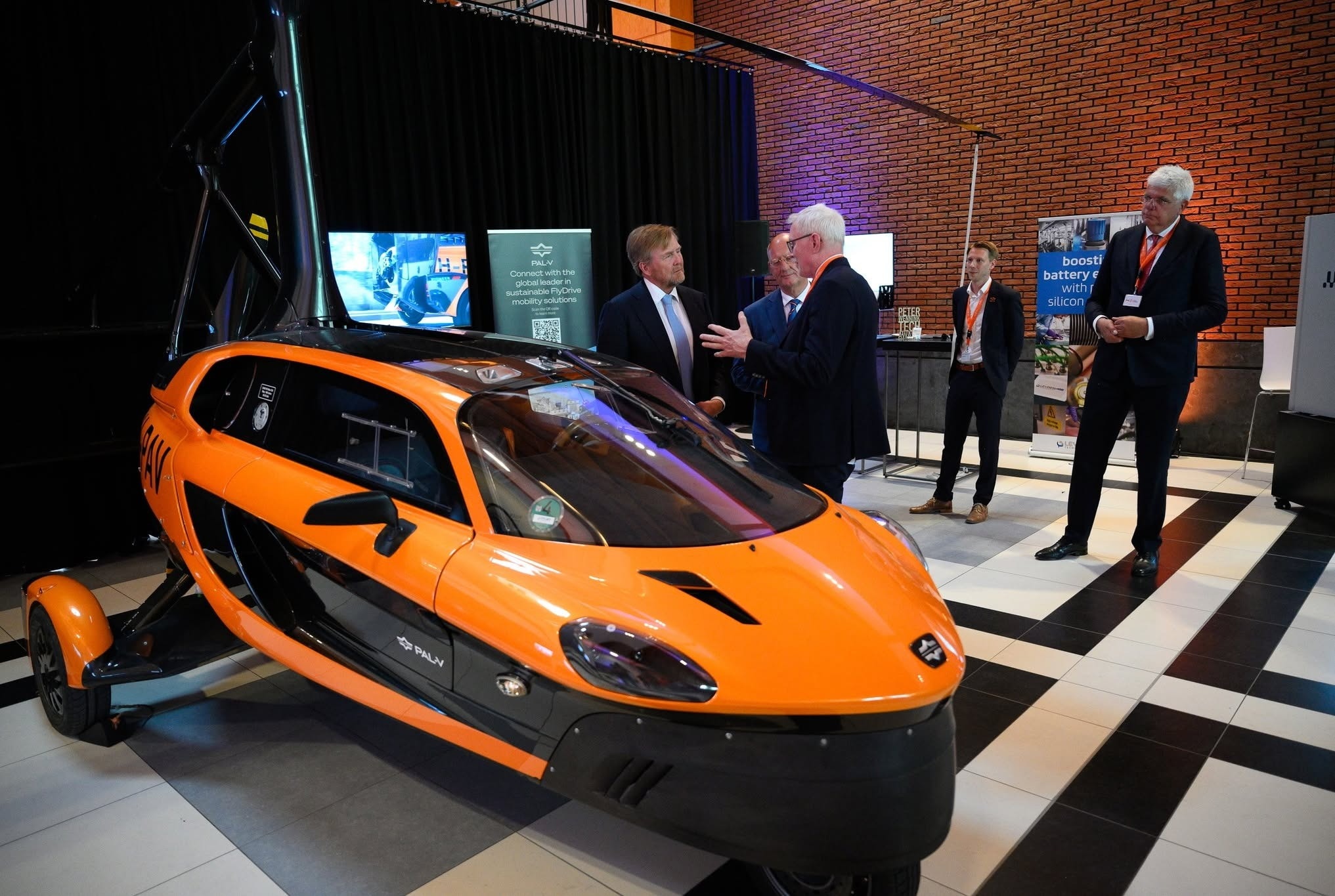
The appearance came shortly after another noteworthy moment for the company. PAL-V earned a nomination for the Peter Wennink Tech Award, a distinction reserved for technological developments with measurable social and economic value. Although the prize ultimately went to LejdenJar, PAL-V’s presence among the three finalists carried weight on its own.
AQUABATTERY appeared in the same conversation. Both competing firms focus on battery technology and sustainability, areas that receive strong attention across multiple industries. In contrast, PAL-V operates in a different field. Its project connects road transportation with Advanced Air Mobility, often shortened to AAM, a segment gaining increasing relevance within aviation.
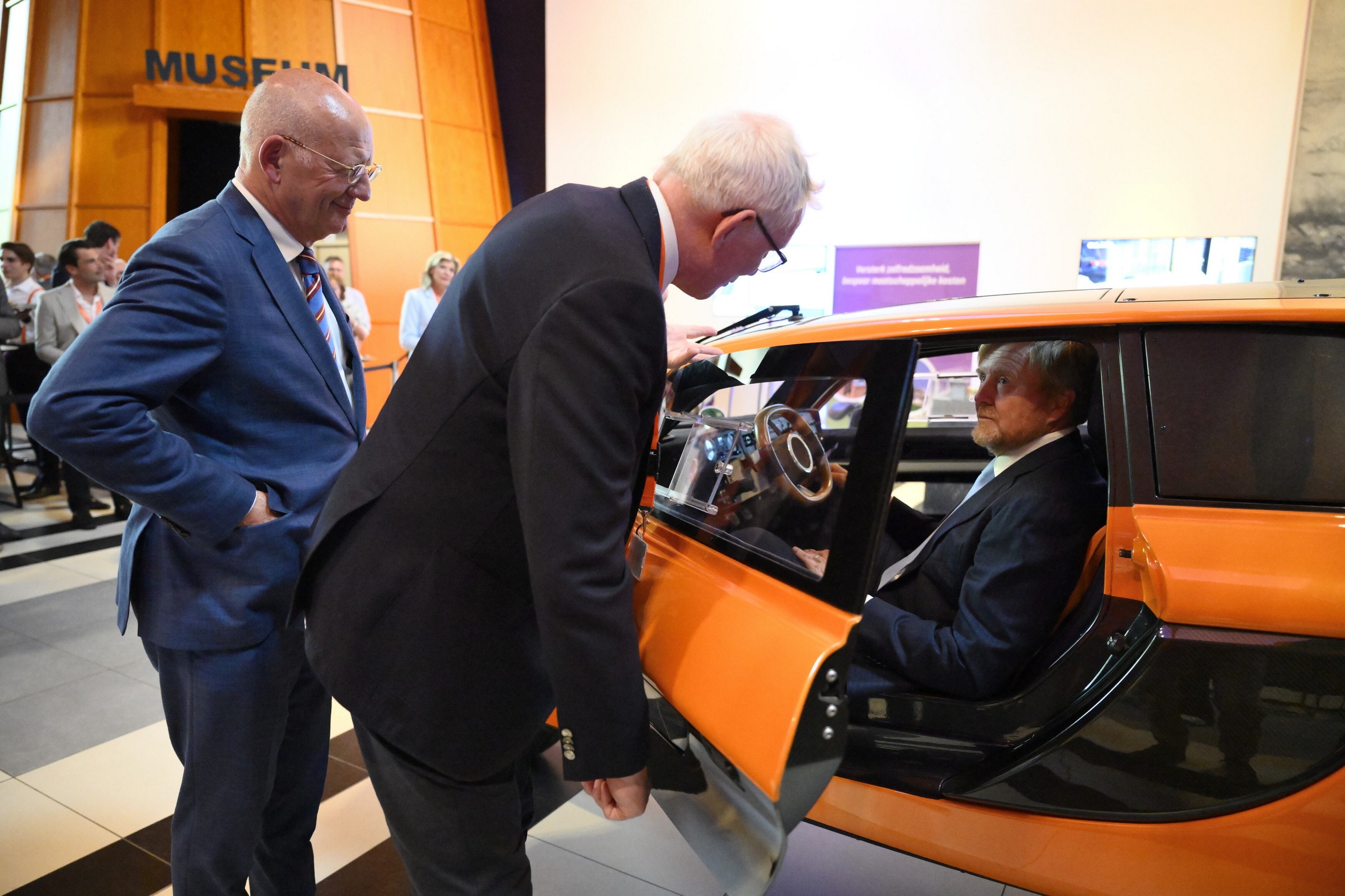
At the center of PAL-V’s plans stands the Liberty. The vehicle follows the company’s FlyDrive concept, combining gyroplane technology with a conventional automobile layout. On public roads, the Liberty functions like a normal car. Once airborne, the gyroplane blades take over the lifting role, allowing operation as an aircraft.
Regulations remain a major part of the equation. The Liberty requires approval for both road and air use, meaning double certification forms part of the development process. Performance figures published for the vehicle show a driving range exceeding 800 miles, or 1,315 km, without refueling. Add a single fuel stop, and the total distance more than doubles.
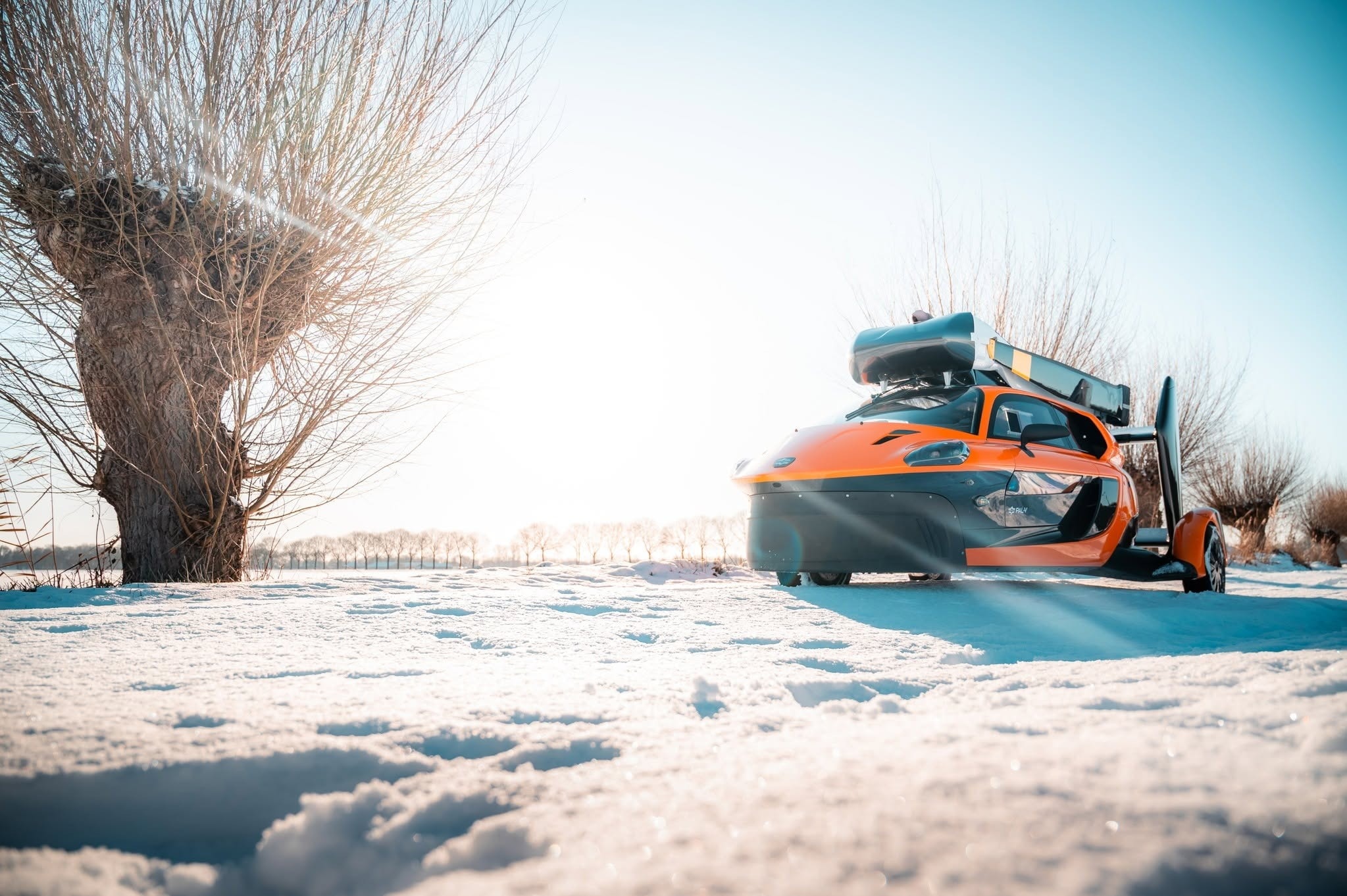
Flight capability adds another layer. PAL-V states the Liberty operates at 11,000 feet, equivalent to 3,350 meters. Airspeed reaches approximately 100 mph, or 160 kph. Short figures, yet they help explain why the project continues attracting attention.
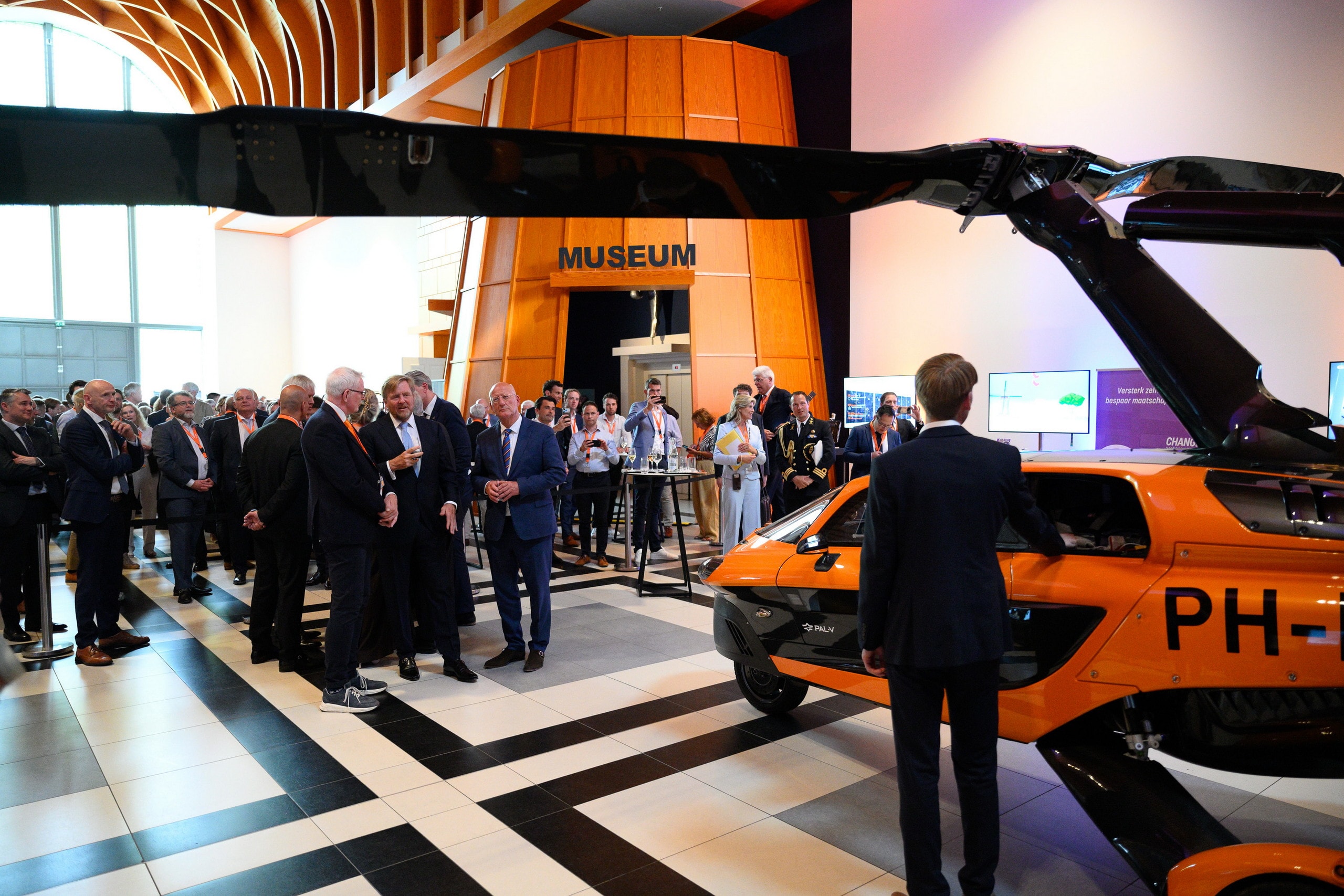
Progress has continued beyond public demonstrations. Earlier this year, PAL-V secured the Initial Assessment issued by the RDW, the Netherlands’ Vehicle Authority. The decision officially recognizes the company as an automotive manufacturer. Expansion plans extend outside Europe as well, with a FlyDrive Experience Center planned for the Middle East. For a project often associated with the future, PAL-V is steadily building a presence in the present.
Stay Informed With the Latest & Most Important News
Previous Post
Next Post

Advertisement

-
 01BYD’s Great Tang Arrives As a Flagship SUV with 1,500 kW Charging and a Nine-Minute 10–97% Claim
 -
 02Audi Launches RS3 Competition Limited, Celebrates 50 Years of the Company`s Five-Cylinder Engine Fame
 -
 03Nissan Sets New GT-R Direction with Hybrid V6 Plan and Fresh Chassis Before 2030
 -
 04Polestar Boss Says It’s Time To Outrun BMW M And Mercedes-AMG
 -
 052026 Toyota Hilux EV: A Powerful Truck with Silent Torque
 -
 062026 Corvette ZR1 Production Surges Past Expectations as Output Clears 1,000 Units
 -
 07Chinese EV Brand Zeekr Builds Strong Reputation Among Australian Buyers