













Now Reading: The Unsung Hero of Every Long Ride: Understanding the Motorcycle Windshield
-
01
The Unsung Hero of Every Long Ride: Understanding the Motorcycle Windshield
The Unsung Hero of Every Long Ride: Understanding the Motorcycle Windshield
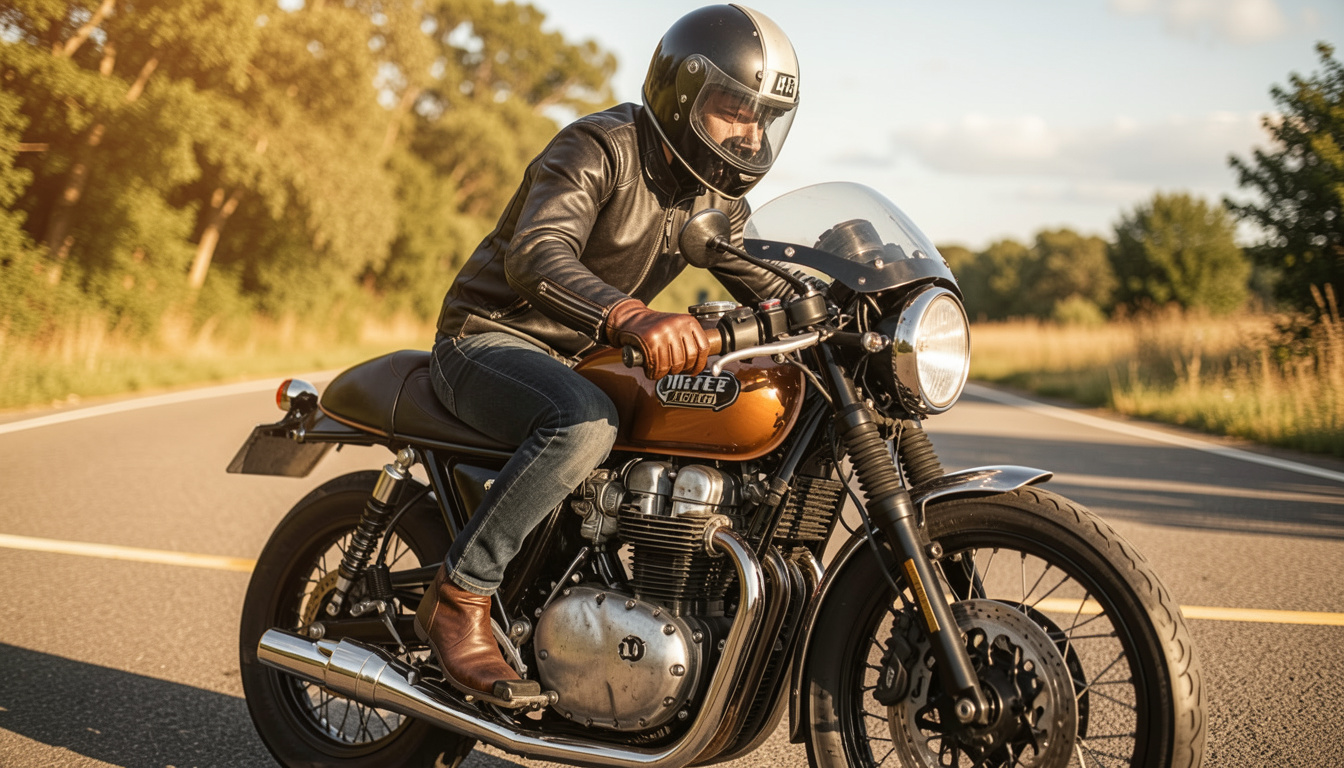
Ask most seasoned riders about the upgrades that genuinely transformed their riding experience, and somewhere near the top of the list — often surprising to newer enthusiasts — you’ll find the motorcycle windshield. It’s not like a new exhaust roaring. It’s not as attention-grabbing as custom bodywork. However, remove it from a long-distance touring bike, and you’ll notice its absence after about 10 minutes out on the highway.
This is the tale of one of the most important, but less talked about parts of any motorcycle.
More Than Just a Piece of Plastic
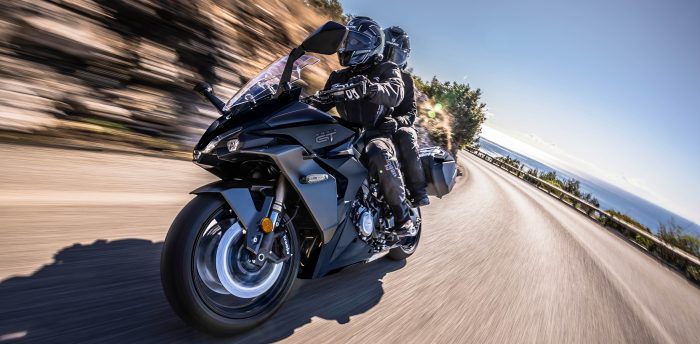
To most people, the term “motorcycle windshield” evokes images of a curved piece of clear or tinted plastic attached to the front of a motorcycle. So, that’s pretty much what it is. However, to just say that is a suspension system is like saying it’s “some springs. The design, the angles and the height, the curve – every little detail counts and it makes a difference in how the rider will experience the bike on the road.
Motorcycle windshields are designed with a particular form to control the airflow in a controlled and deliberate way. Instead of being simply wind-blocking, a good windshield will move the wind over the rider’s head, around their shoulders, or through vents and channel designs designed to avoid creating the type of turbulent airflow that can make high-speed riding uncomfortable.
Much of the science of aerodynamics is actually wedged into the development of these, and what may seem like a simple decision to make can take hours of wind tunnel testing and real-world trimming.
The Physical Toll of Riding Without Protection
Here’s something that doesn’t get discussed enough: riding without adequate wind protection is genuinely tiring. Not just uncomfortable — tiring in a way that builds gradually and affects your ability to ride safely.
At motorway speeds, wind resistance against your upper body creates constant physical strain. Your neck muscles work overtime to hold your head steady. Your shoulders tense against the pressure. Your chest and arms absorb continuous force. After an hour of this, the cumulative fatigue is significant. After several hours, it can be genuinely dangerous.
A quality motorcycle windshield eliminates or dramatically reduces this constant physical battle. Riders who make the switch from riding without one — or from an ill-fitting screen — frequently describe the experience as transformative. Rides that used to leave them drained suddenly feel manageable. Distances that seemed ambitious become routine.
This is also why motorcycle screens are standard equipment on touring and adventure bikes designed for long-distance travel. The manufacturers understand that protecting the rider from wind fatigue isn’t a luxury feature — it’s a fundamental requirement for safe, sustainable riding over extended distances.
Protection Beyond Wind
There are more advantages to a motorcycle windshield than just combating fatigue. What else do you think is being thrown through the air at highway speeds? Grit, dust, small stones, insects and in wet weather, a constant stream of water and road debris.
While wearing a full-face helmet will protect you from injury resulting from the physical impact of these elements, the impact can be substantial after a long ride. A windshield provides an envelope of protection around the rider and keeps out a lot of this debris from getting to your chest, arms, and visor. If you’re a rider who experiences a variety of weather conditions, such as occasional rainfalls, cold mornings, and dusty country lanes, this level of protection is of real value.
Cold air deserves particular attention. Wind chill at speed can drop the effective temperature considerably, and prolonged exposure to cold air affects more than just comfort. Cold muscles respond more slowly. Cold hands lose dexterity. A windshield that reduces wind chill meaningfully contributes to rider safety in cooler conditions, not just rider comfort.
Getting the Fit Right
One of the most crucial and misinterpreted things about motorcycle windshields is that they are personal. What works well for one rider may cause an undesirable tail of turbulence for another, because of a different riding position or height.
The goal is to have the top of the windshield sitting at approximately nose or chin level when you’re in your natural riding position. Too low, and you’re looking over it directly into the wind stream. Too high, and you’re looking through it — which is fine if it’s optically clear, but it introduces a new visual variable. Some riders prefer to see over their screen entirely; others are happy to look through it. Both approaches are valid, but the key is intention and proper adjustment.
Some newer windscreens offer a tool-free adjustable mounting system that enables the rider to adjust the height and/or angle without the use of a tool for various weather conditions or for different people riding the same bike.
Adventure and dual-sport motorcycle screens will sometimes also feature extra flexible features, as these bikes are expected to be used in a wide range of environments and terrains, where a one-size-fits-all approach is hardly appropriate.
When to Consider an Upgrade
Any windshield that is factory fitted is a good place to start, but it’s meant for an average rider on a typical road. If you are taller or shorter than average, ride more in the long distance than your bike is engineered for, or you notice you are buffeting or hearing wind noise when you ride your bike, an aftermarket windshield may be a serious consideration.
If you experience any of the following, your screen is not effective: chronic neck or shoulder fatigue after riding, buffeting around the helmet, wind noise when you cannot ride without earplugs, or cold or wet weather discomfort that doesn’t seem to be caused by the weather.
The Bigger Picture
The motorcycle windshield is one of those components that earns its reputation not through drama but through consistency. Every ride it makes easier, every mile it takes the edge off, every cold morning it makes it slightly more bearable — these things add up over time into a genuinely better riding life.
For anyone serious about their time on the road, understanding and investing in the right windshield isn’t optional. It’s one of the most practical, impactful decisions a rider can make.
Related Posts
Stay Informed With the Latest & Most Important News
Previous Post
Next Post






Advertisement

-
 01BYD’s Great Tang Arrives As a Flagship SUV with 1,500 kW Charging and a Nine-Minute 10–97% Claim
 -
 02Nissan Sets New GT-R Direction with Hybrid V6 Plan and Fresh Chassis Before 2030
 -
 03Audi Launches RS3 Competition Limited, Celebrates 50 Years of the Company`s Five-Cylinder Engine Fame
 -
 04Polestar Boss Says It’s Time To Outrun BMW M And Mercedes-AMG
 -
 052026 Toyota Hilux EV: A Powerful Truck with Silent Torque
 -
 062026 Corvette ZR1 Production Surges Past Expectations as Output Clears 1,000 Units
 -
 07Chinese EV Brand Zeekr Builds Strong Reputation Among Australian Buyers