










Now Reading: California: General Motors more than doubles self-driving car test fleet
-
01
California: General Motors more than doubles self-driving car test fleet
California: General Motors more than doubles self-driving car test fleet
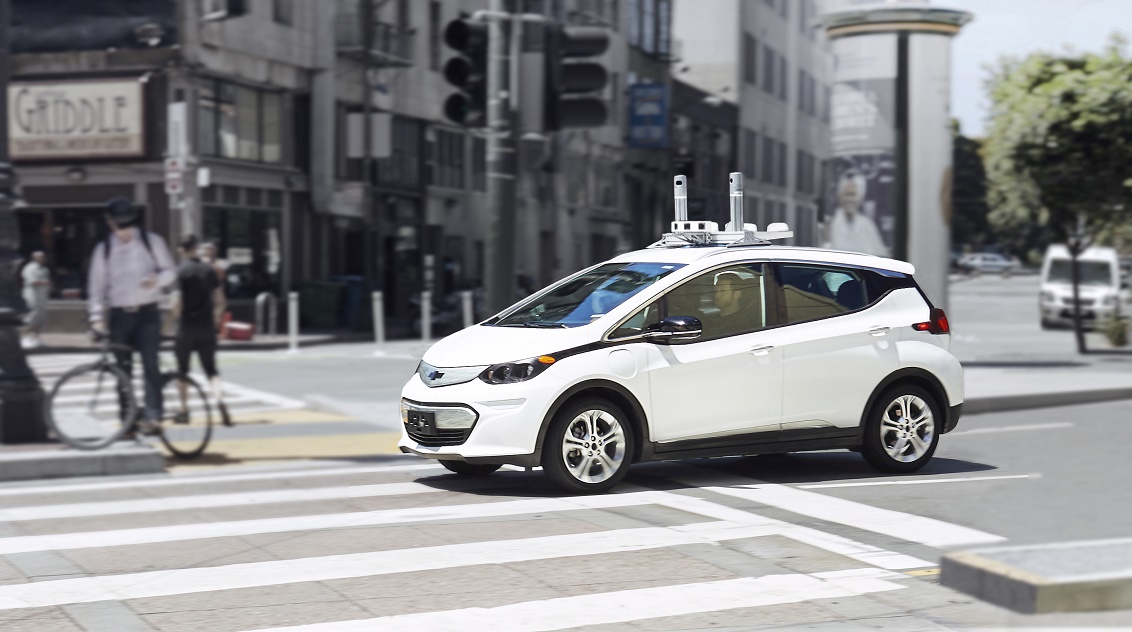
General Motors’s self-driving unit, Cruise Automation, has more than doubled the length of its test fleet of robot cars in California during the last three months, a GM representative stated on Wednesday.
As the company boosts the size of its test fleet, it has likewise reported more altercations between its self-driving vehicles and human-operated vehicles and bicycles, informing California regulators its vehicles were involved in 6 small crashes last month.
“All our incidents this year were triggered by the other vehicle,” stated Rebecca Mark, spokeswoman for GM Cruise.
In the last three months, the Cruise unit has increased the number of vehicles signed up for testing on California streets to 100 from the previous 30 to 40, GM representative Ray Wert stated.
Cruise is testing vehicles in San Francisco as part of its attempt to develop software in browsing congested and frequently disorderly metropolitan environments.
Investors are viewing GM’s progress closely, and the automaker’s shares have increased 17 percent during the past month as some experts have said the company could deploy robot taxis under the next year or more.
A U.S. Senate panel authorized legislation on Wednesday that would permit automakers to considerably broaden testing of self-driving vehicles. Some safety groups have criticized the proposal, saying it gives too much latitude to automakers.
Related Posts

Stay Informed With the Latest & Most Important News
Previous Post
Next Post


Advertisement

-
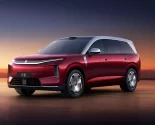 01BYD’s Great Tang Arrives As a Flagship SUV with 1,500 kW Charging and a Nine-Minute 10–97% Claim
 -
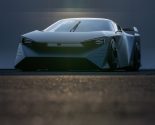 02Nissan Sets New GT-R Direction with Hybrid V6 Plan and Fresh Chassis Before 2030
 -
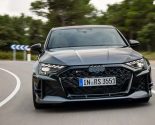 03Audi Launches RS3 Competition Limited, Celebrates 50 Years of the Company`s Five-Cylinder Engine Fame
 -
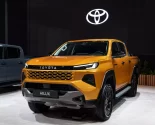 042026 Toyota Hilux EV: A Powerful Truck with Silent Torque
 -
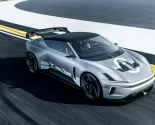 05Polestar Boss Says It’s Time To Outrun BMW M And Mercedes-AMG
 -
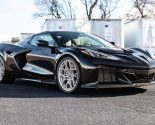 062026 Corvette ZR1 Production Surges Past Expectations as Output Clears 1,000 Units
 -
 07Chinese EV Brand Zeekr Builds Strong Reputation Among Australian Buyers