








Now Reading: Porsche Mission S Is More Than a Concept. It Could Change the Brand’s Future
-
01
Porsche Mission S Is More Than a Concept. It Could Change the Brand’s Future
Porsche Mission S Is More Than a Concept. It Could Change the Brand’s Future
Porsche has built some extraordinary supercars over the years, but buying one usually meant getting lucky with a limited production run. The Carrera GT and 918 Spyder were never intended to become permanent members of the lineup. Now, Porsche wants to do something different.
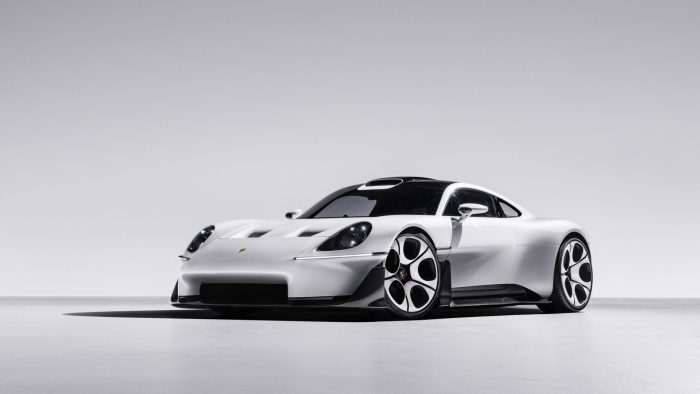
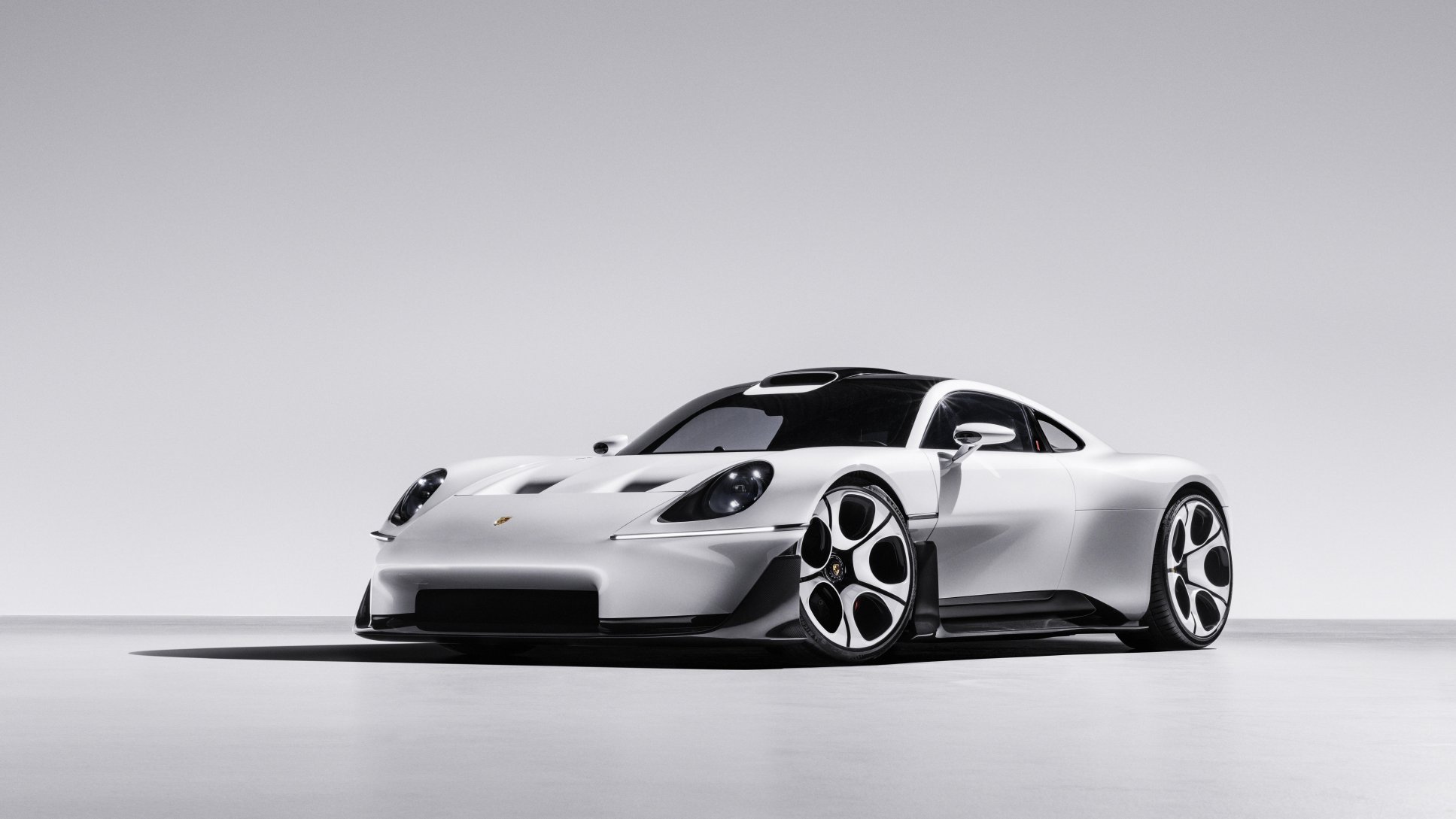
The newly unveiled Mission S previews a mid-engine supercar platform that will sit above the 911. More importantly, the German manufacturer says this will become a permanent part of its portfolio rather than another short-lived flagship.
That is quite a statement from a company whose identity has revolved around the 911 for decades.
A New Supercar with Familiar Porsche DNA
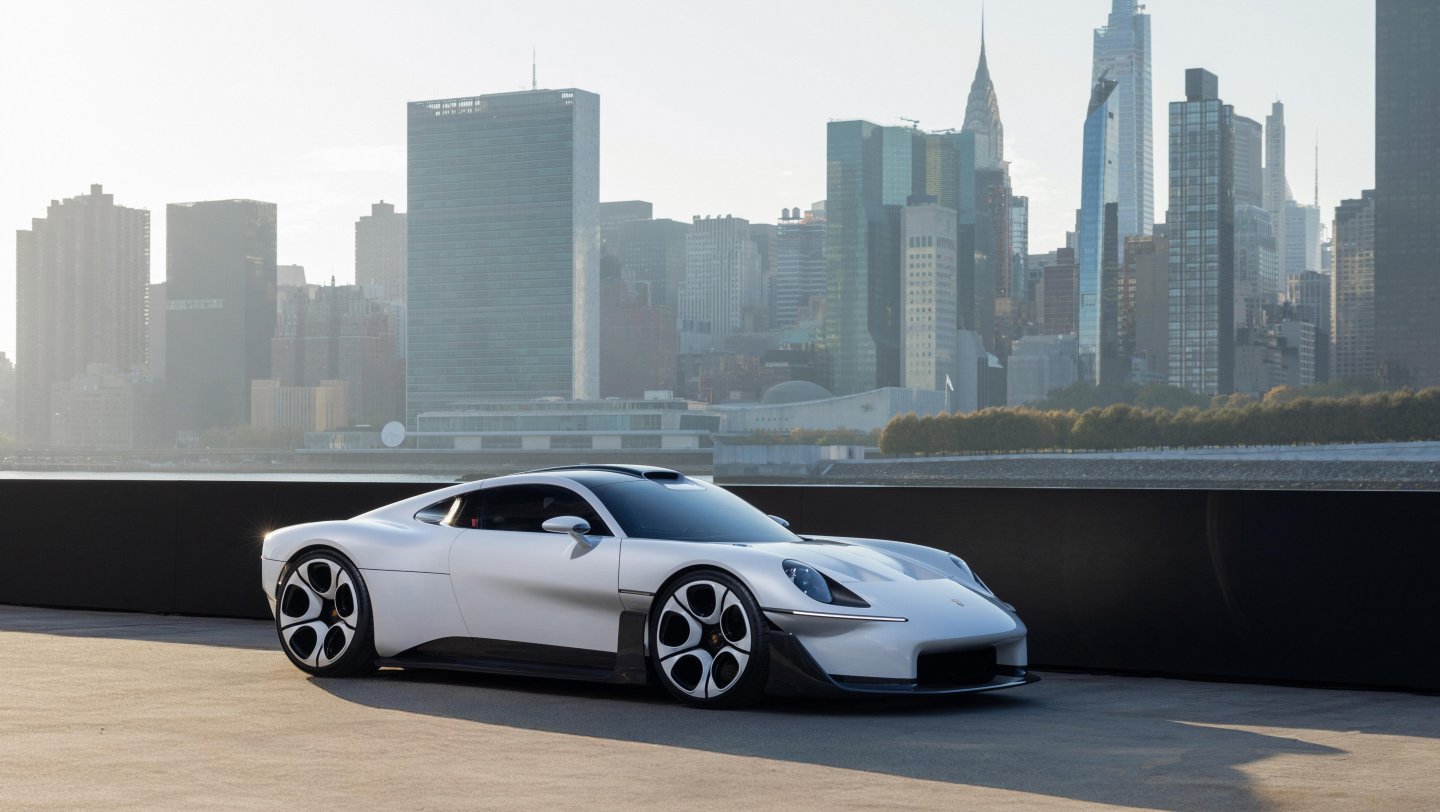
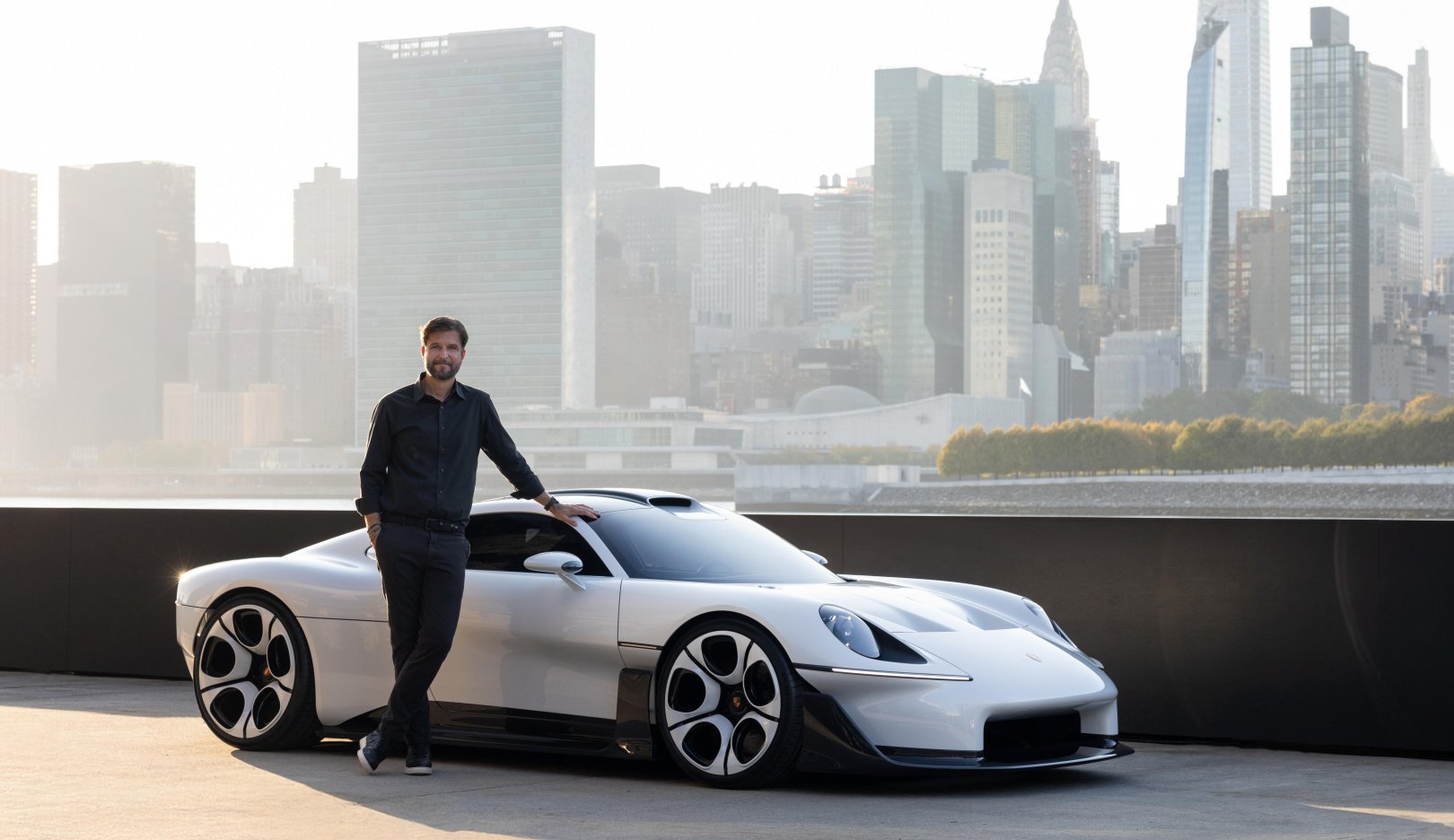
The Mission S made its debut in New York on October 15, at the same waterfront location where Porsche photographed the 550 Spyder back in 1953. The historical connection was deliberate, although the new concept looks considerably more aggressive.
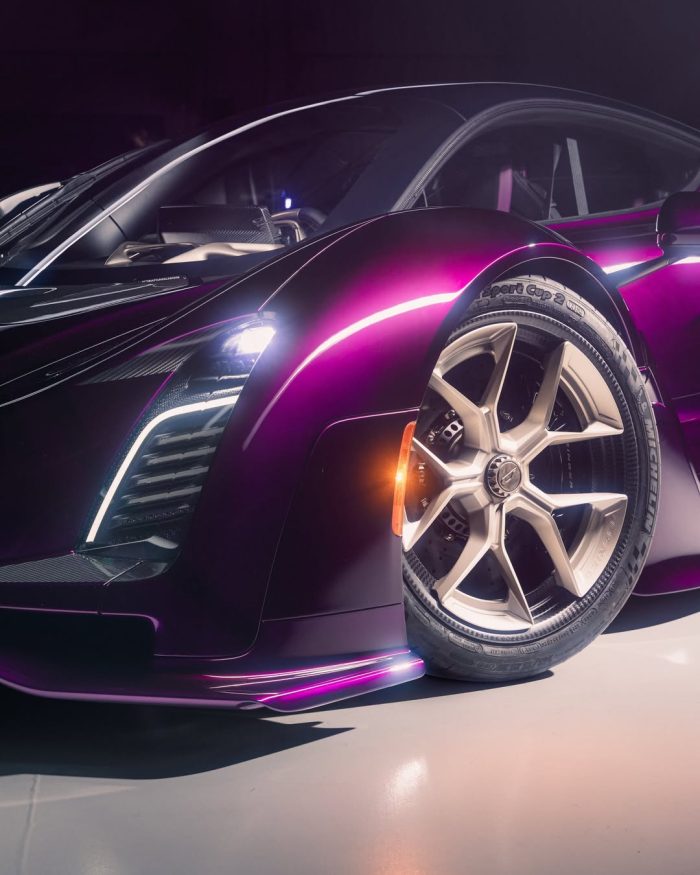
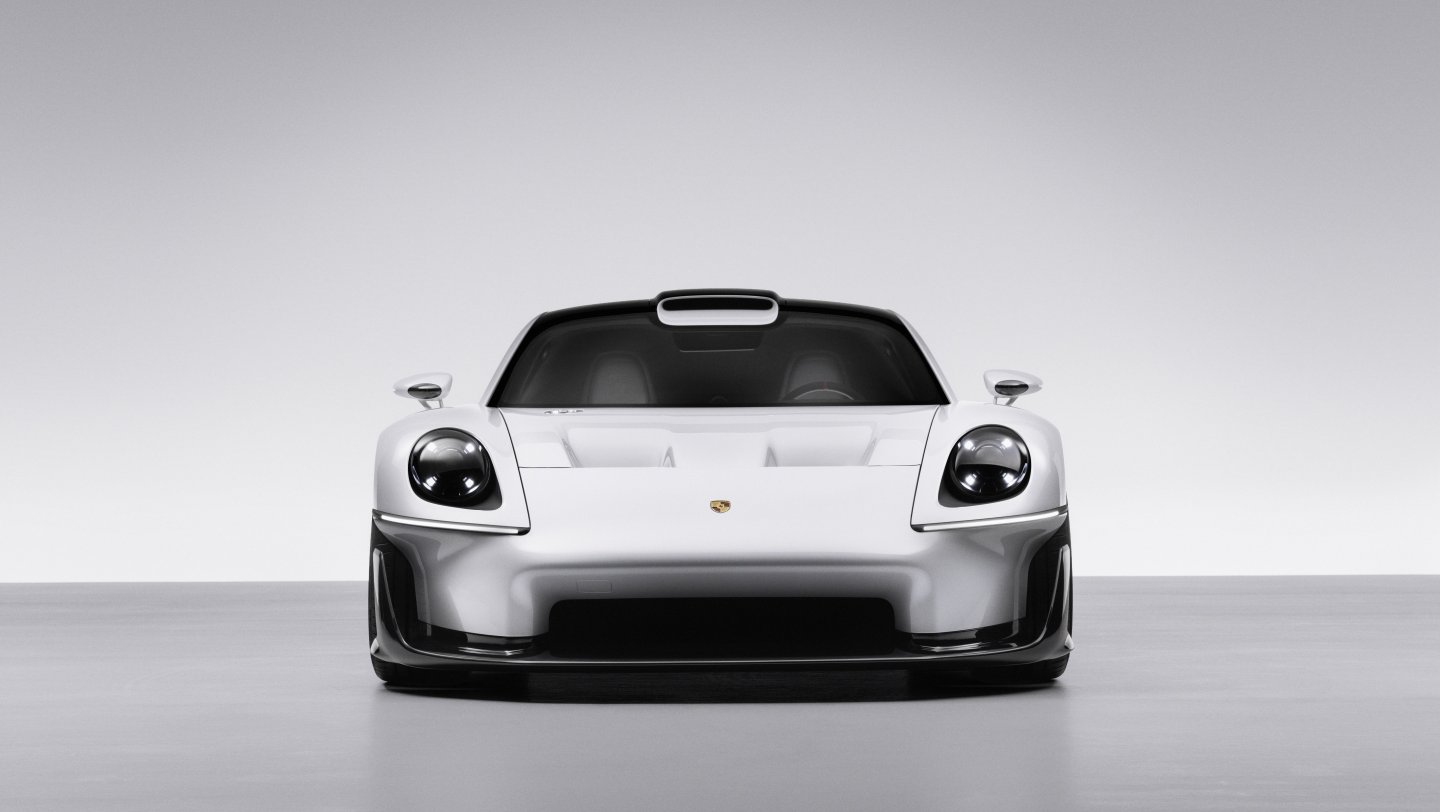
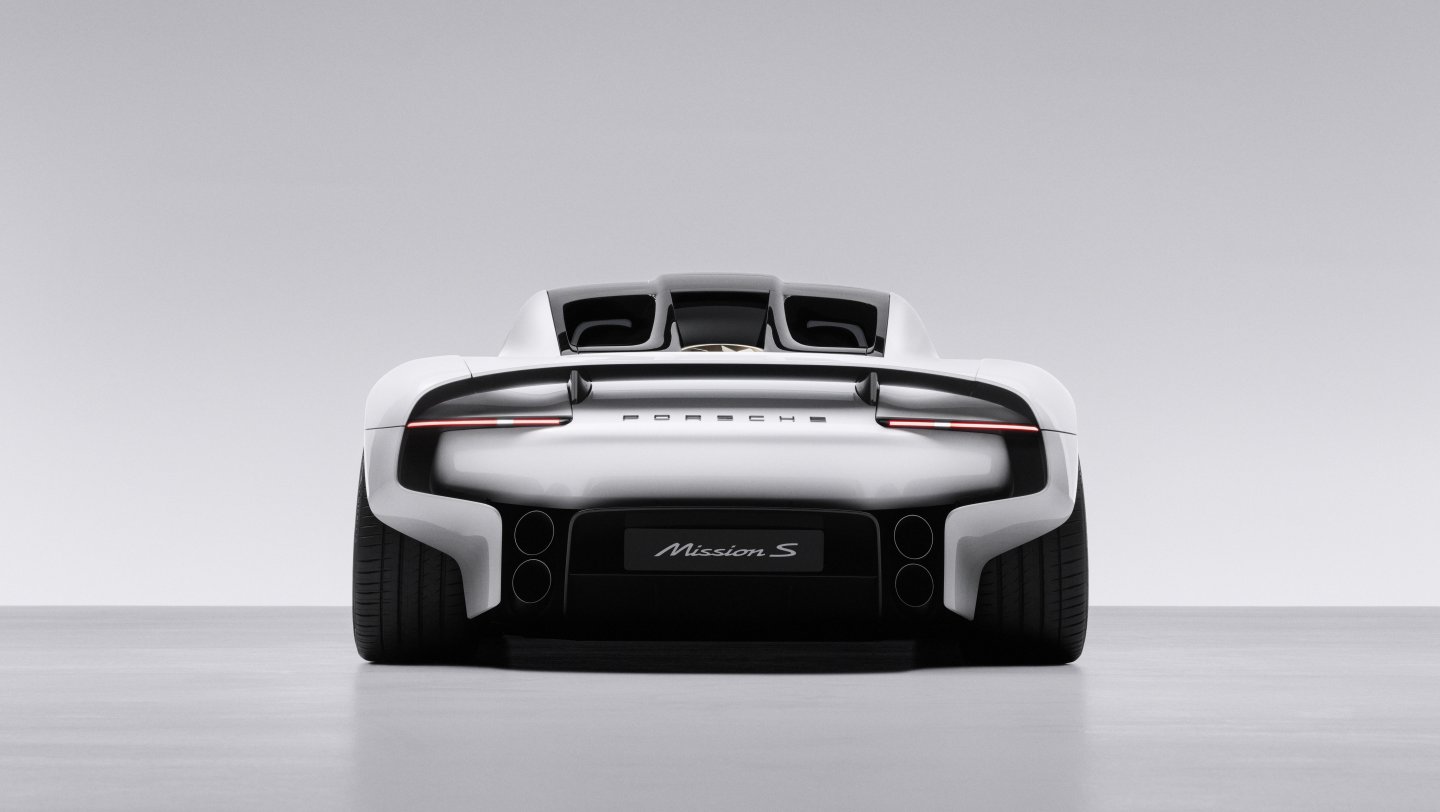
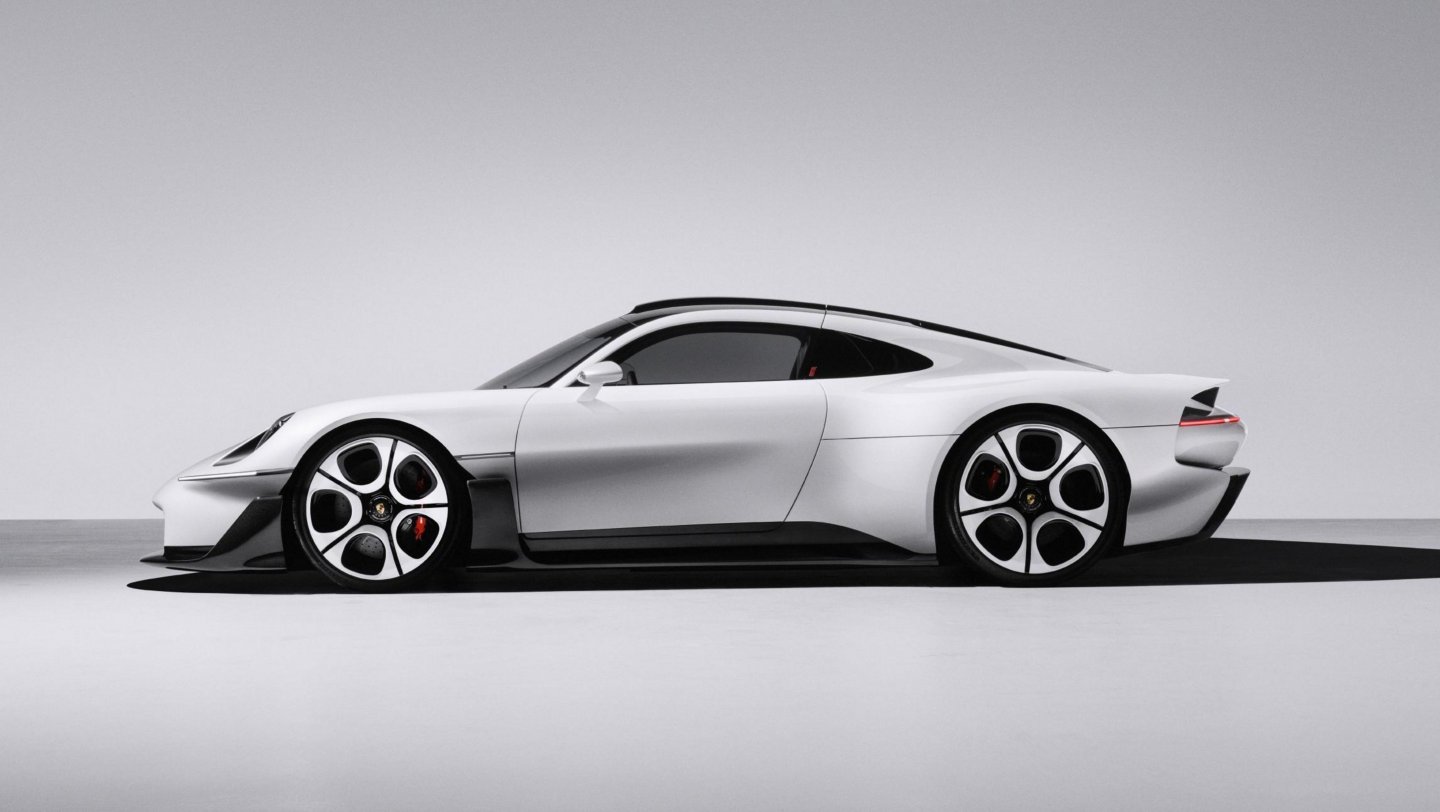
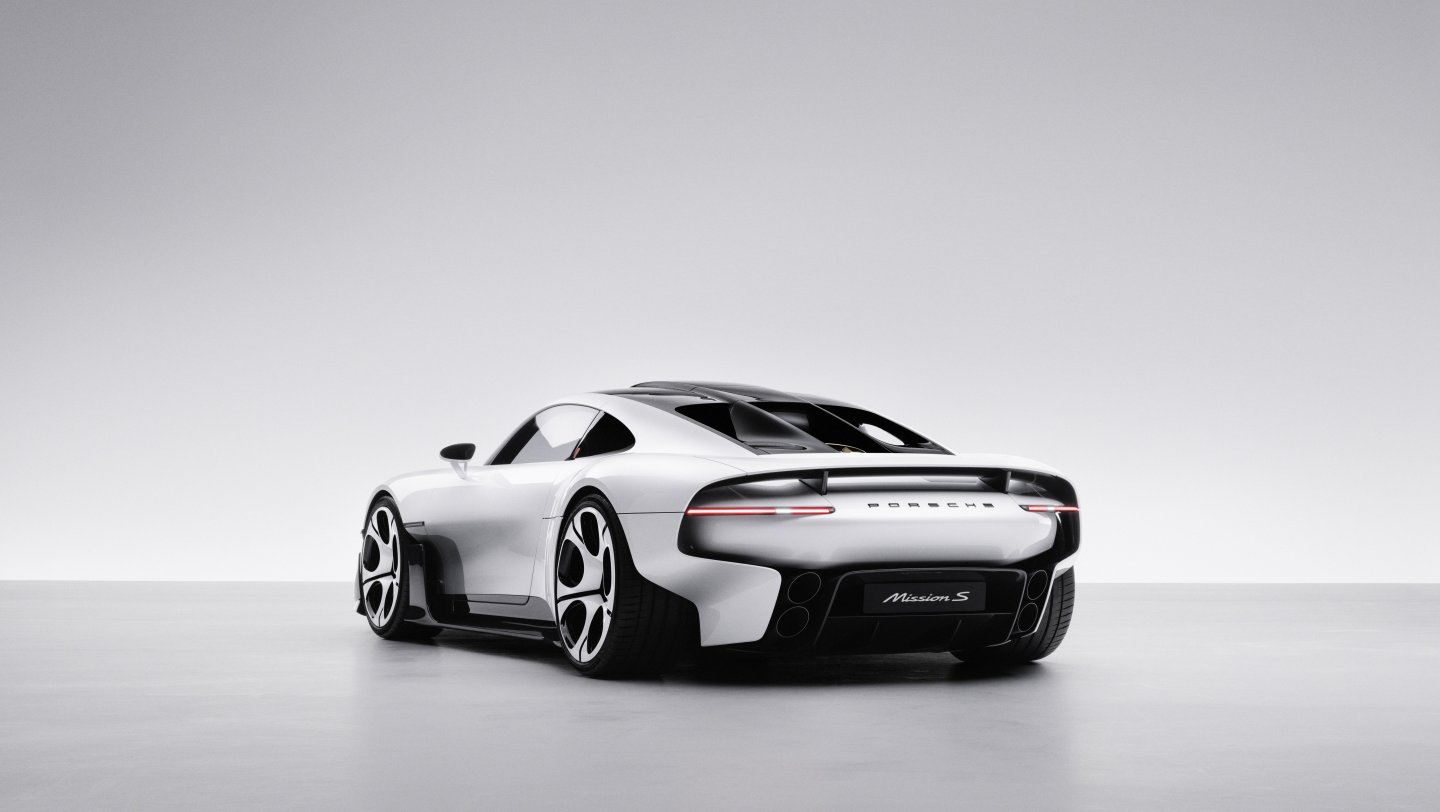
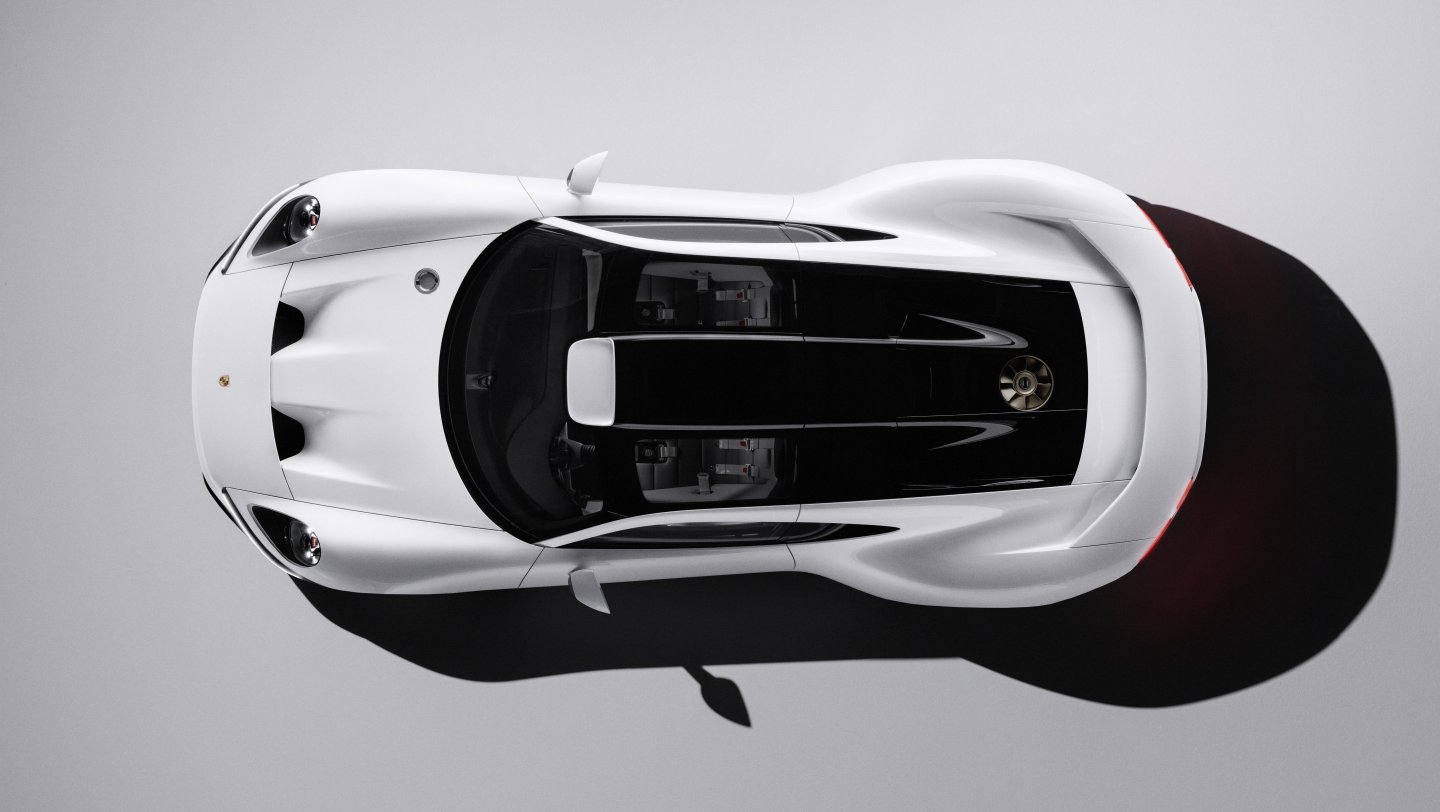
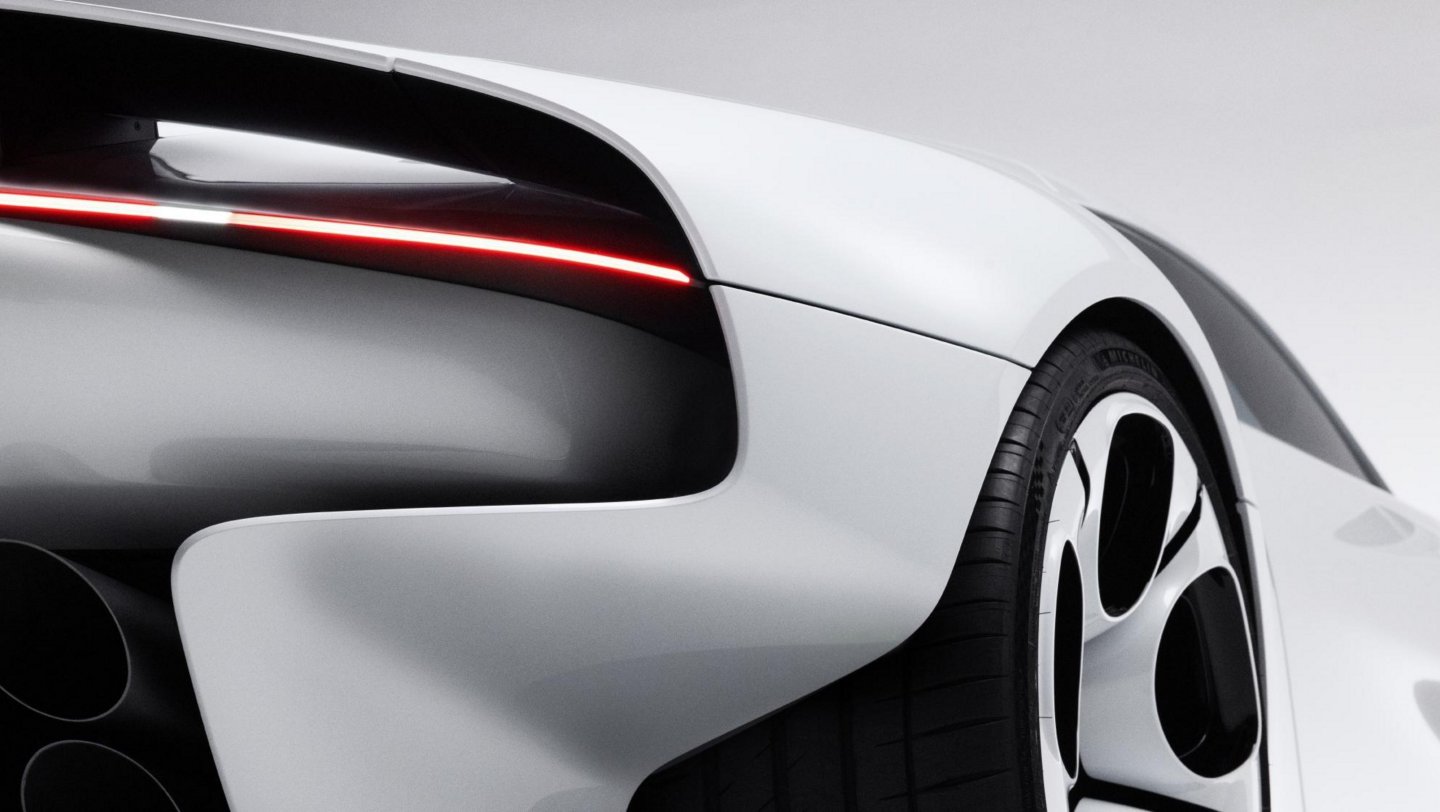
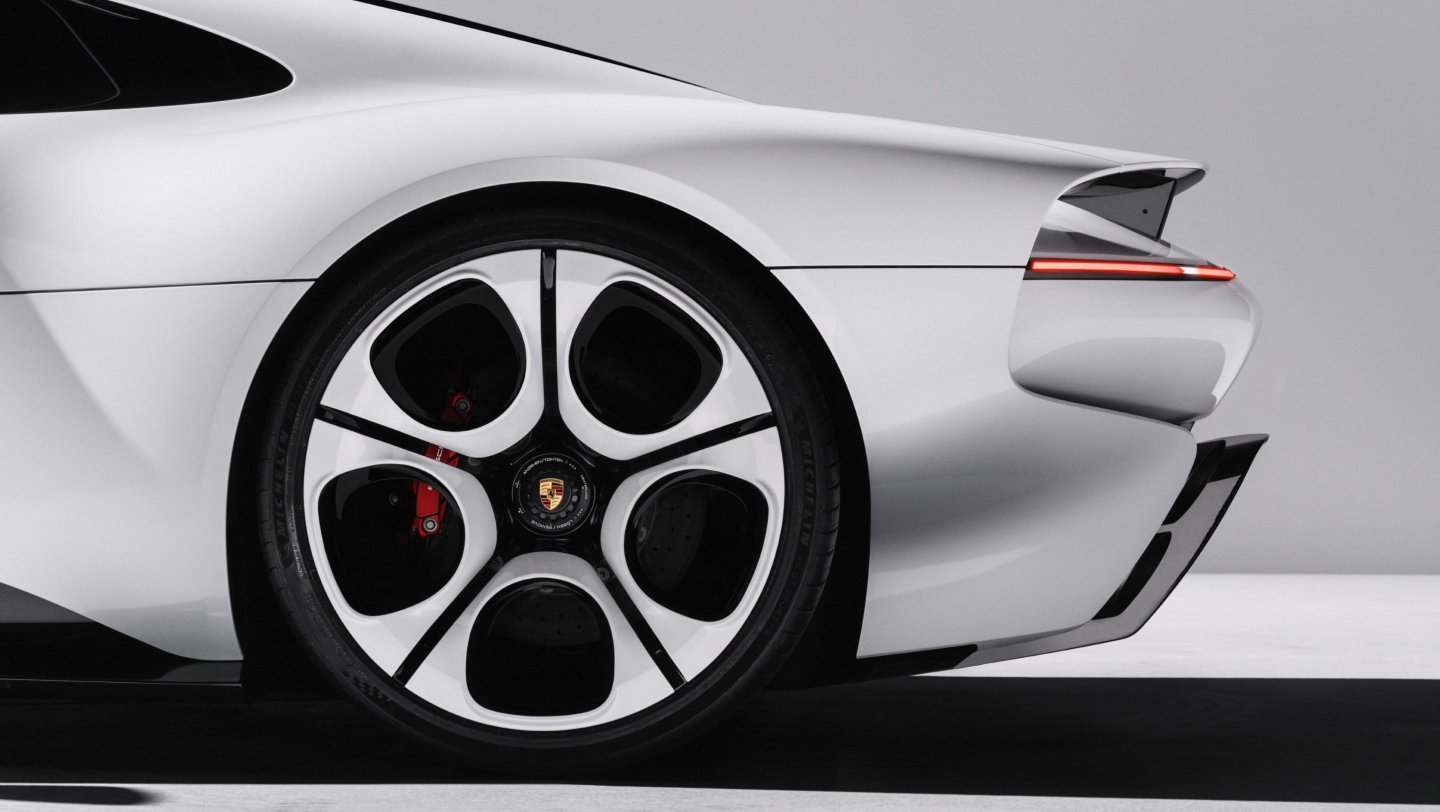
Its proportions come from a mid-engine layout, with broad fenders, a low nose and an integrated active rear wing. Porsche also borrowed several design references from its past.
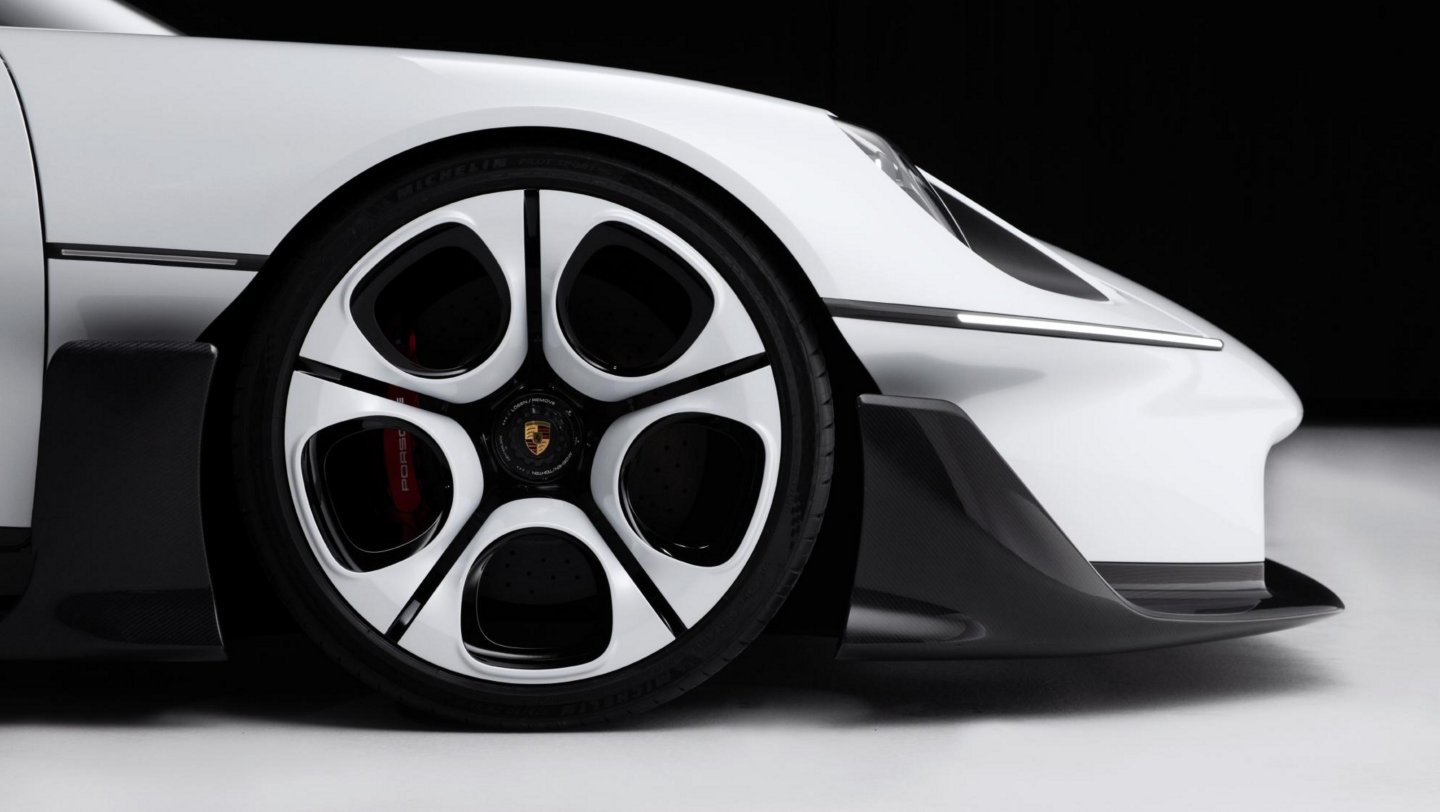
The headlights recall the 911, while the front takes inspiration from the GT1. Look closely at the roofline, and there is a little 959 in there too.
Even the wheels reference the distinctive dial design of the old 928.
Less Screen, More Driving
The interior might be the most interesting part of the Mission S.
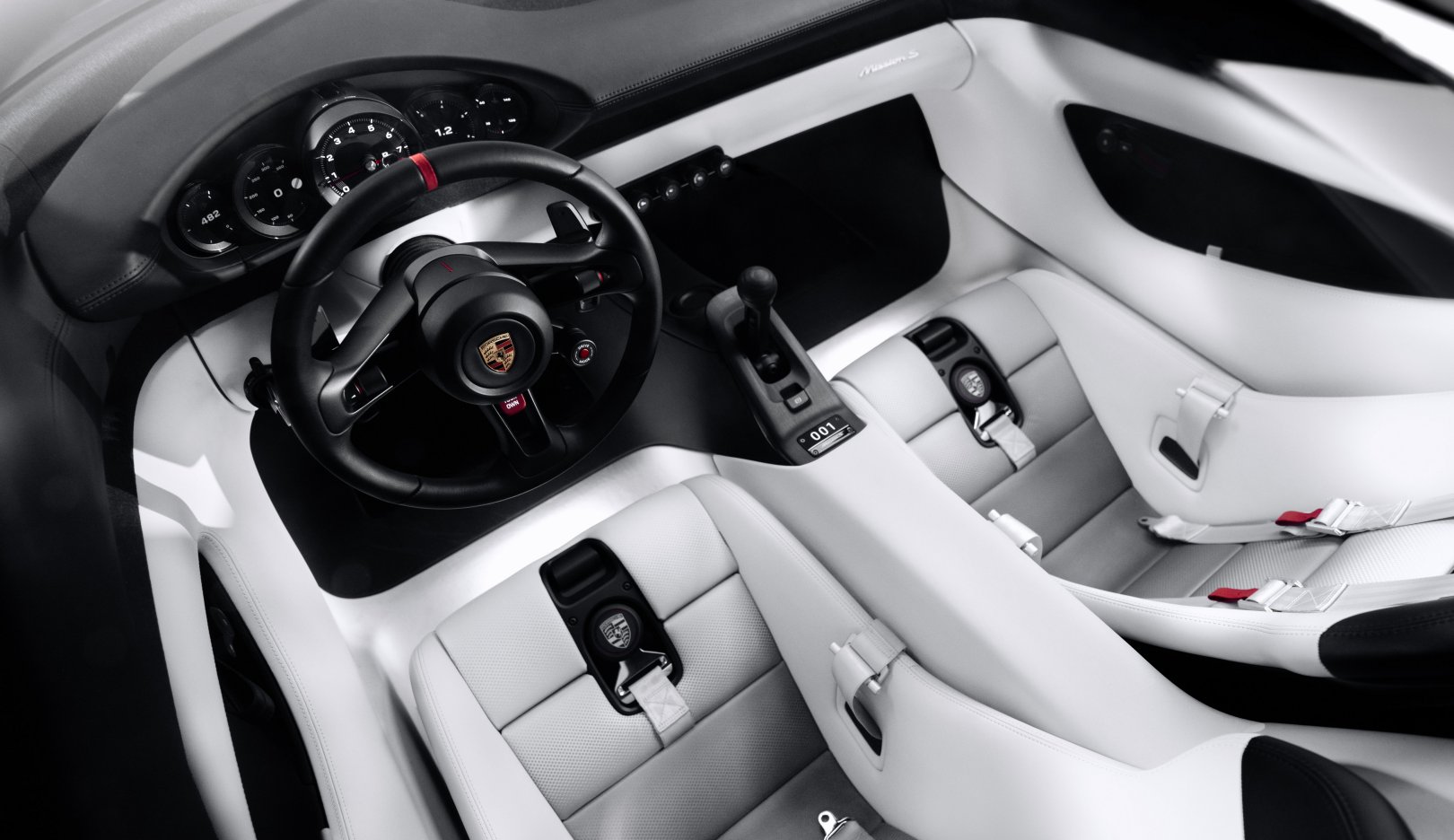
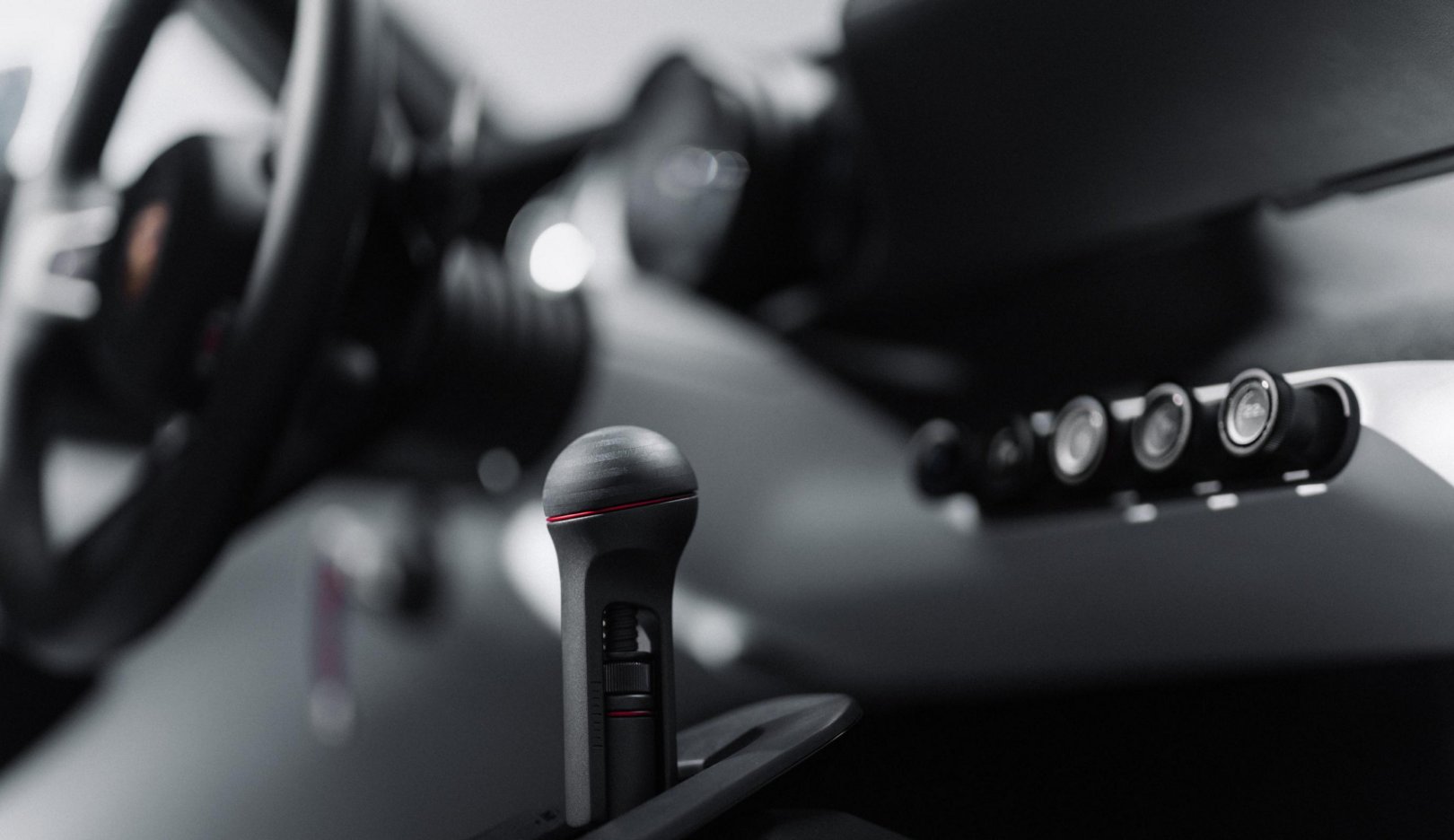
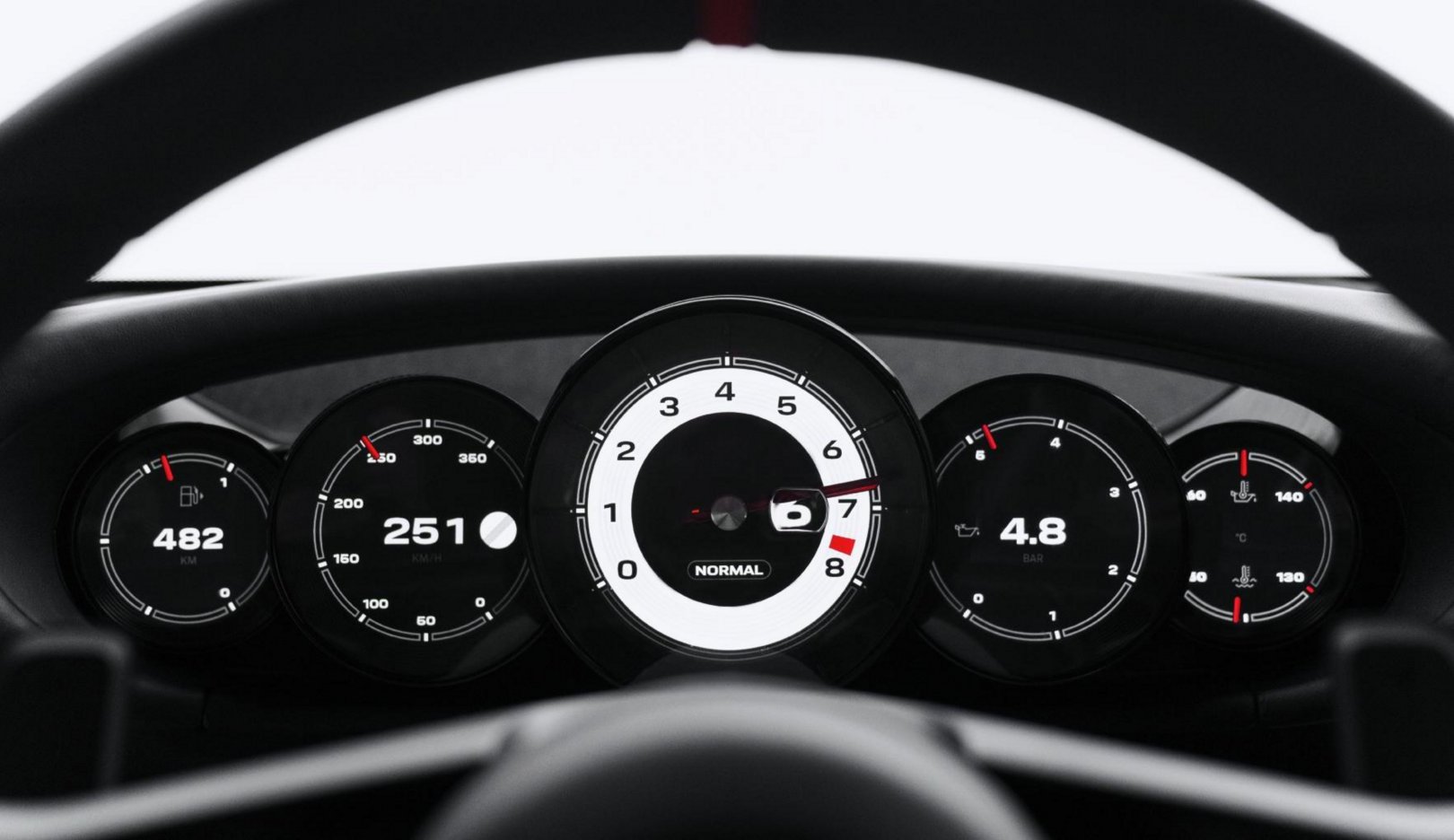
Instead of filling the dashboard with enormous touchscreens, Porsche has returned to physical switches and traditional instruments. Five circular gauges sit behind the steering wheel, including a central analogue rev counter that can move closer to the driver depending on the selected driving mode.
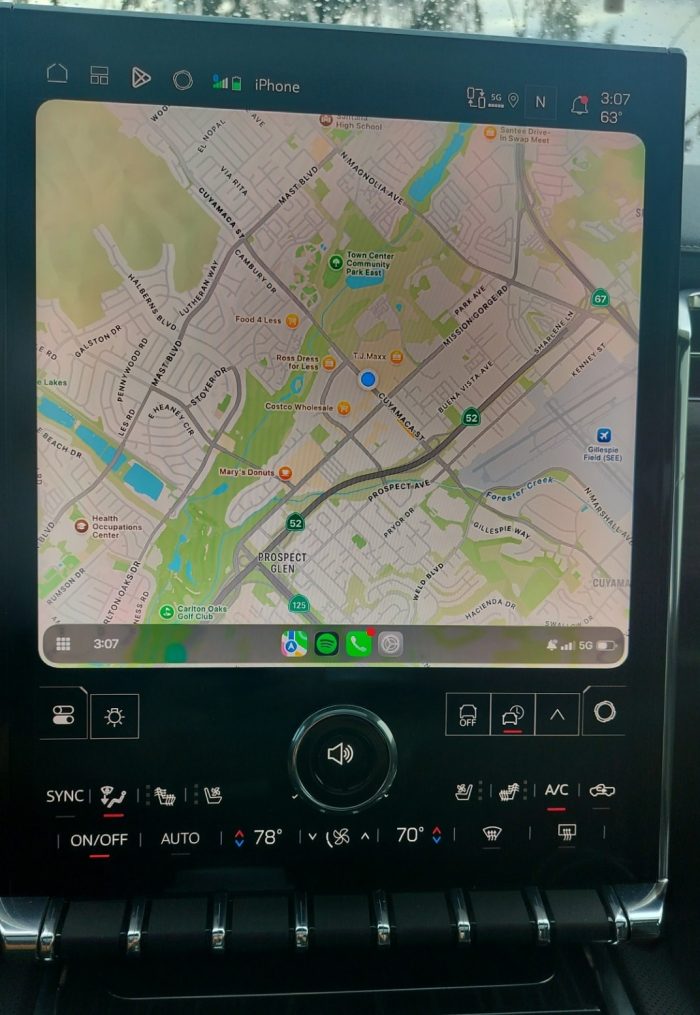
There is no permanently installed central infotainment screen either. A retractable smartphone holder provides navigation and other digital functions when needed.
It is an unusual decision in an industry increasingly obsessed with displays.
What Happens Next?
Porsche has confirmed the development of the new mid-engine platform, but several important questions remain unanswered.
There are no official horsepower figures, acceleration numbers or pricing details yet. The company has not announced a production launch date either.
Still, the significance of the Mission S goes beyond its appearance.
For the first time, Porsche is planning a permanent supercar range above the 911. Whether the eventual production model preserves the concept’s restrained interior remains to be seen.
But the idea of a Porsche flagship that does not disappear after a limited production run is already worth getting excited about.
Related Posts
Stay Informed With the Latest & Most Important News
Previous Post
Next Post
Previous Post
Next Post


Advertisement

-
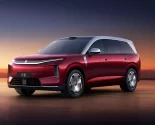 01BYD’s Great Tang Arrives As a Flagship SUV with 1,500 kW Charging and a Nine-Minute 10–97% Claim
 -
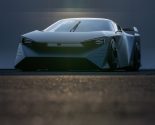 02Nissan Sets New GT-R Direction with Hybrid V6 Plan and Fresh Chassis Before 2030
 -
 03Audi Launches RS3 Competition Limited, Celebrates 50 Years of the Company`s Five-Cylinder Engine Fame
 -
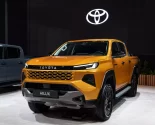 042026 Toyota Hilux EV: A Powerful Truck with Silent Torque
 -
 05Polestar Boss Says It’s Time To Outrun BMW M And Mercedes-AMG
 -
 062026 Corvette ZR1 Production Surges Past Expectations as Output Clears 1,000 Units
 -
 07Chinese EV Brand Zeekr Builds Strong Reputation Among Australian Buyers