







Now Reading: Cadillac XLR Revival on Corvette C8 Bones Gains Shape in 2028 Rendering Talk
-
01
Cadillac XLR Revival on Corvette C8 Bones Gains Shape in 2028 Rendering Talk
Cadillac XLR Revival on Corvette C8 Bones Gains Shape in 2028 Rendering Talk
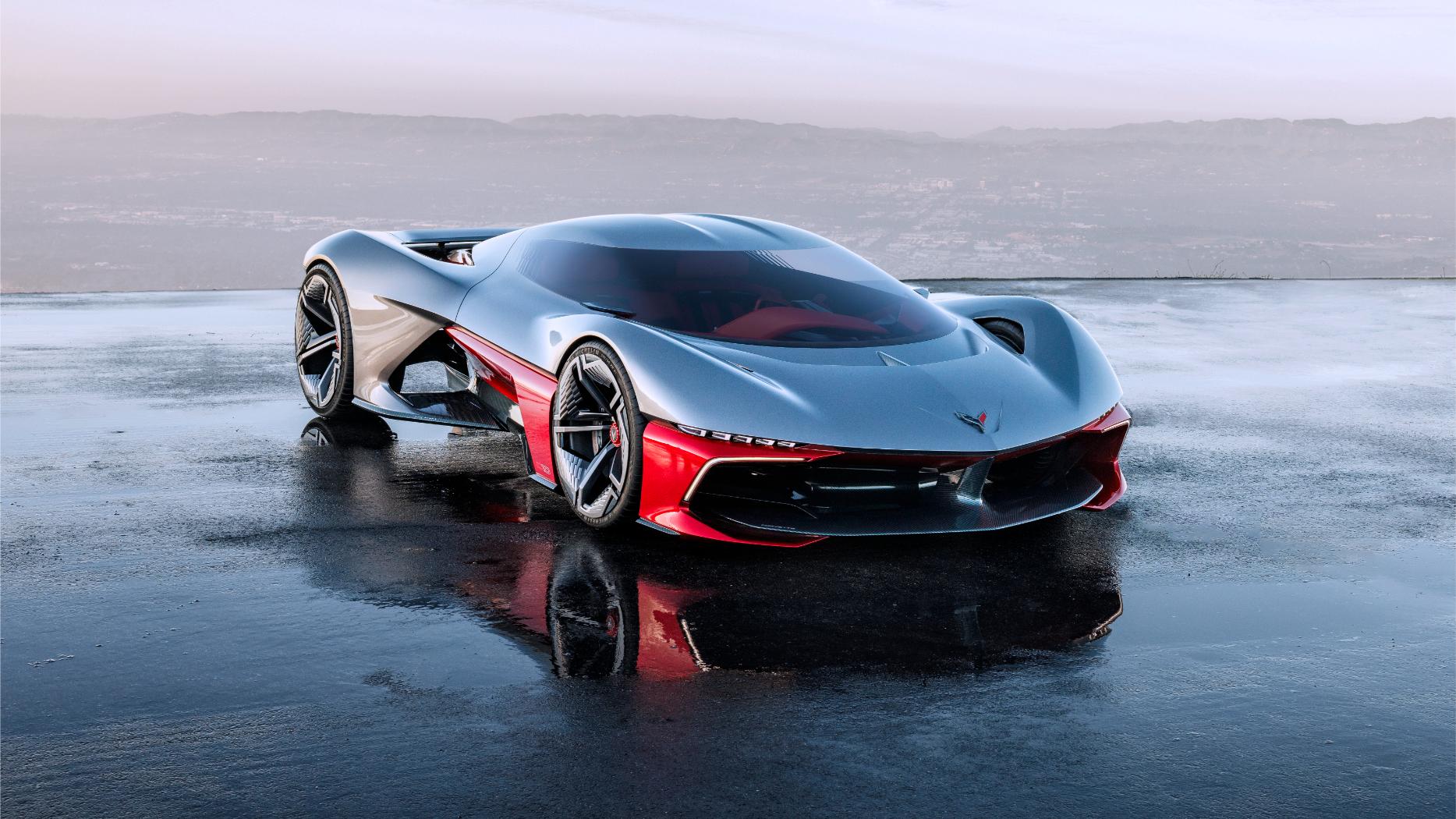
The first Cadillac XLR still sits in a narrow corner of recent brand history. It stayed in production for seven years, ended in 2009, and closed with 15,460 units built. Cadillac had once expected yearly volume between 5,000 and 7,000 cars, though sales never approached those targets.
The model arrived after a public debut at the 2003 North American International Auto Show in Detroit, entered production the same year as a MY 2004 vehicle, and shared a core structure with the Corvette C6 while also carrying selected C5 parts.
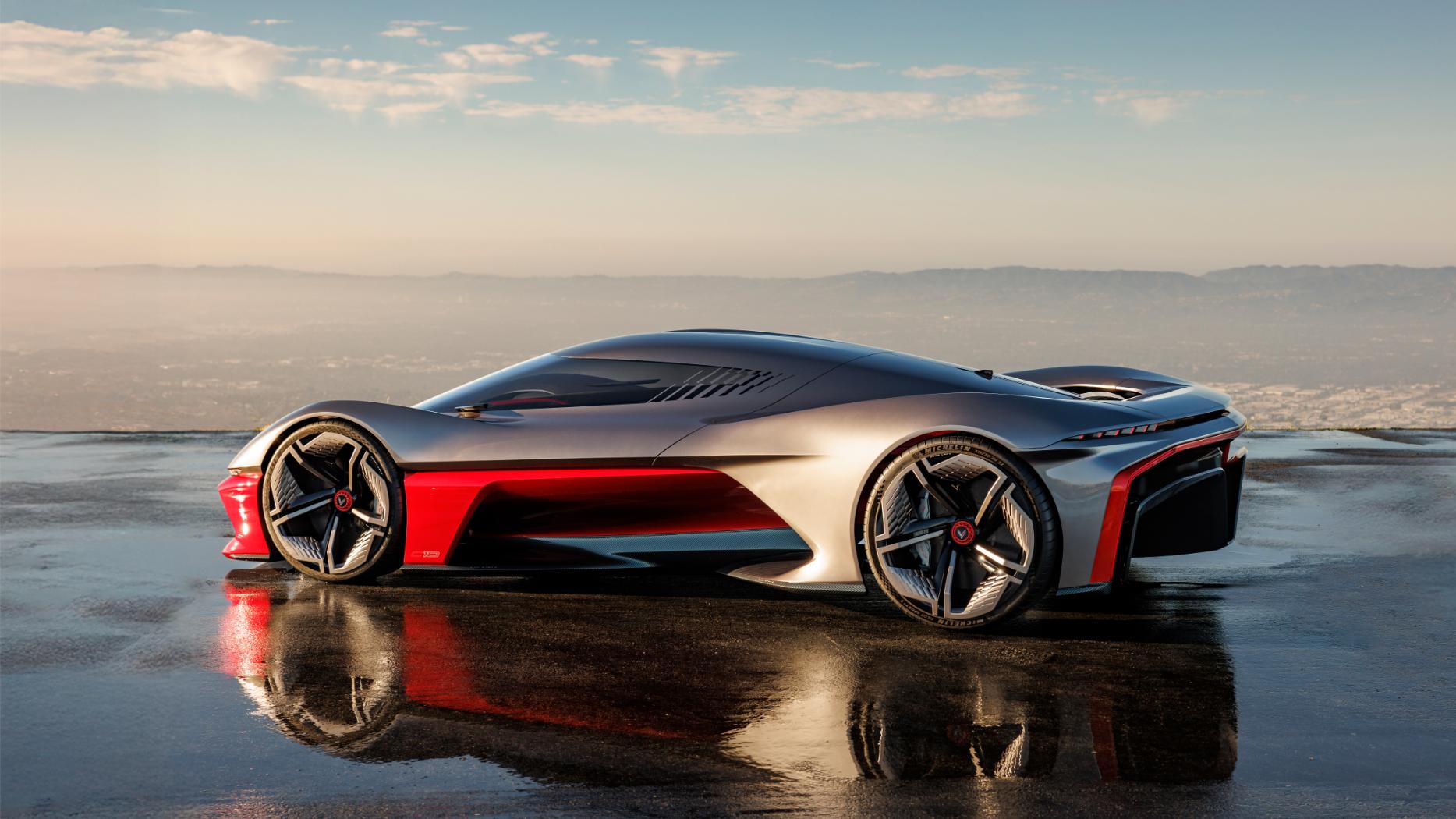
Production took place near Corvette assembly inside GM’s Bowling Green facility in Kentucky. Although both cars used related engineering, the XLR moved in another direction. Cadillac gave priority to long-distance comfort, not circuit pace, and placed the car closer in spirit to the Mercedes-Benz SL R230.
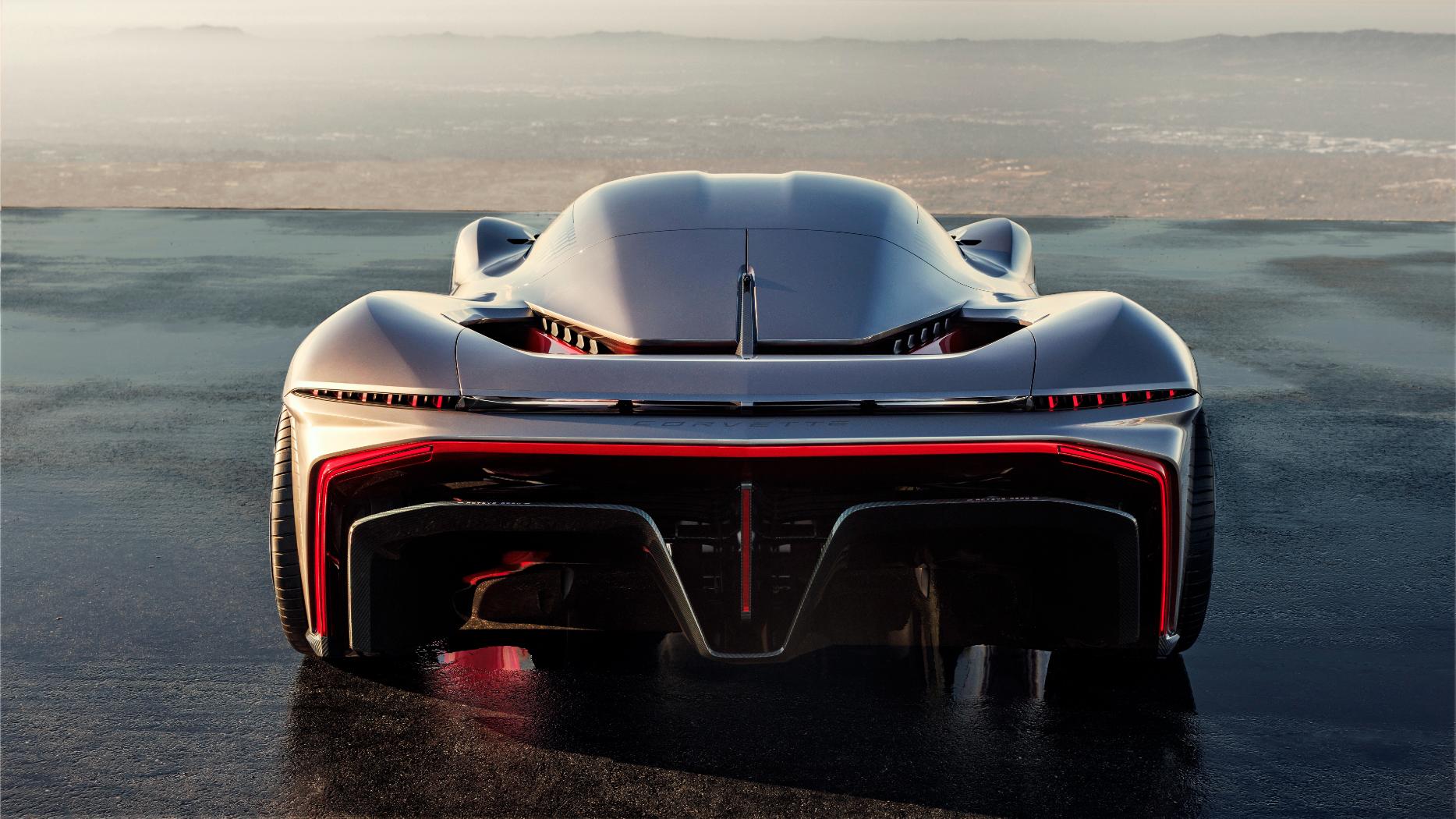
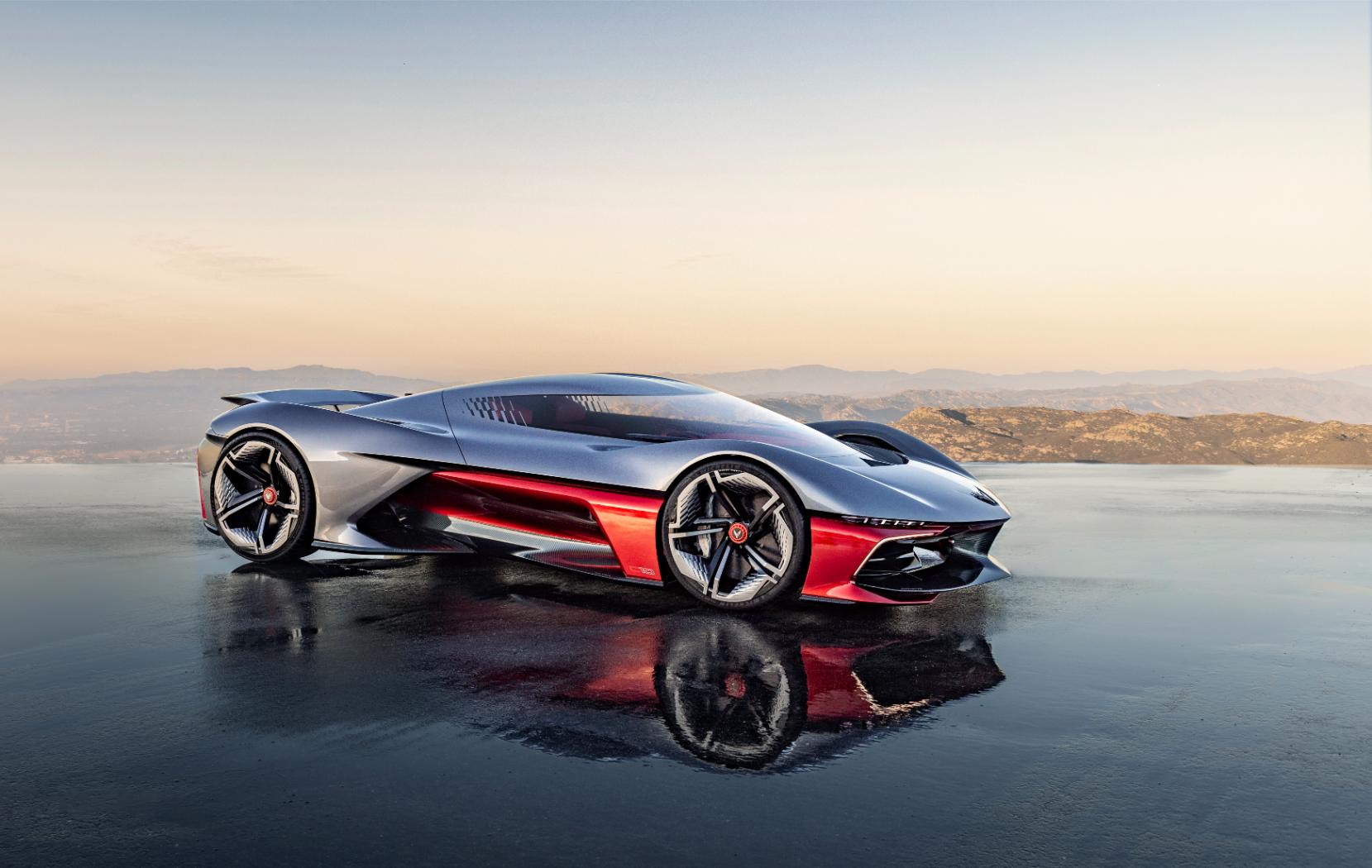
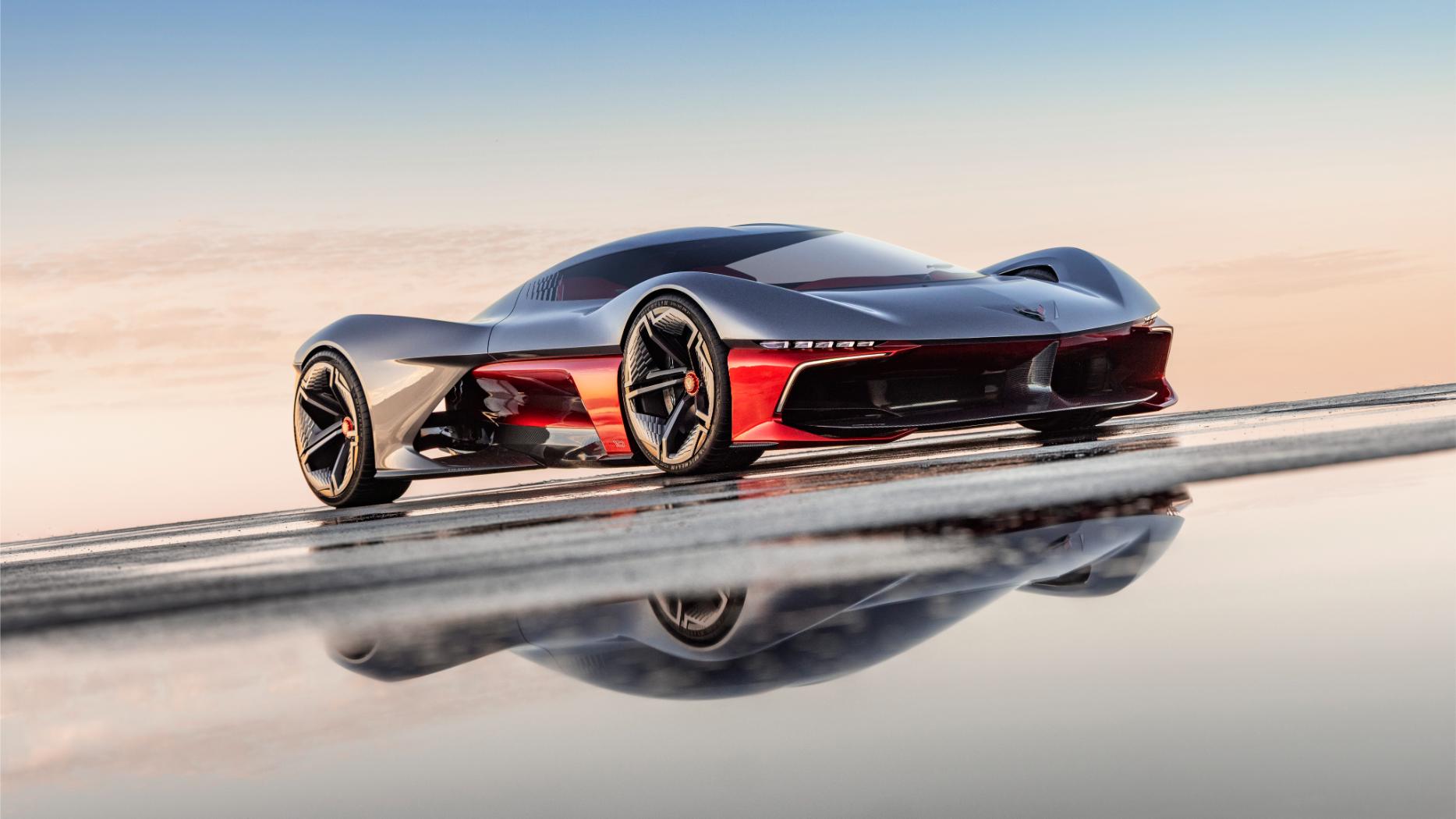
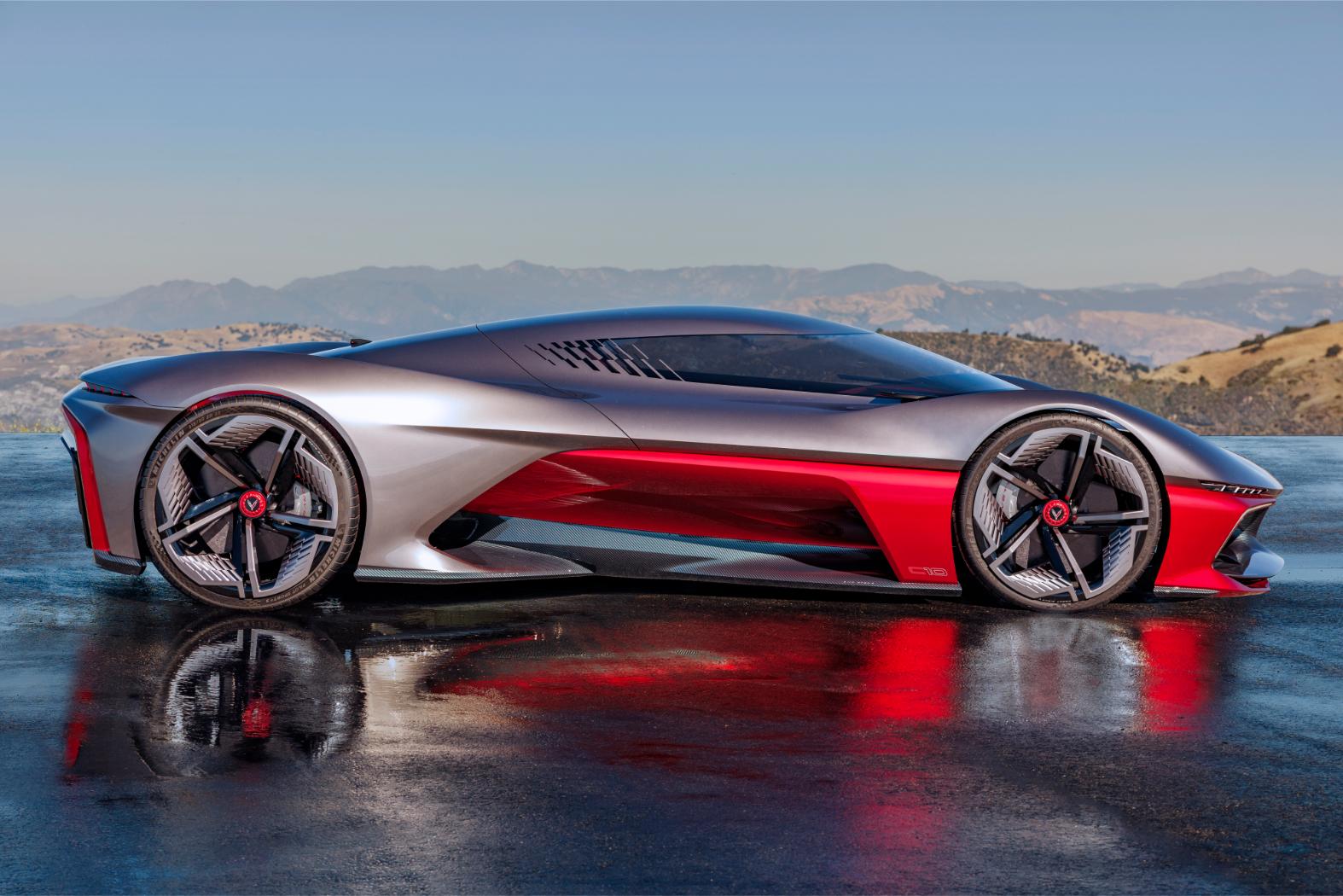
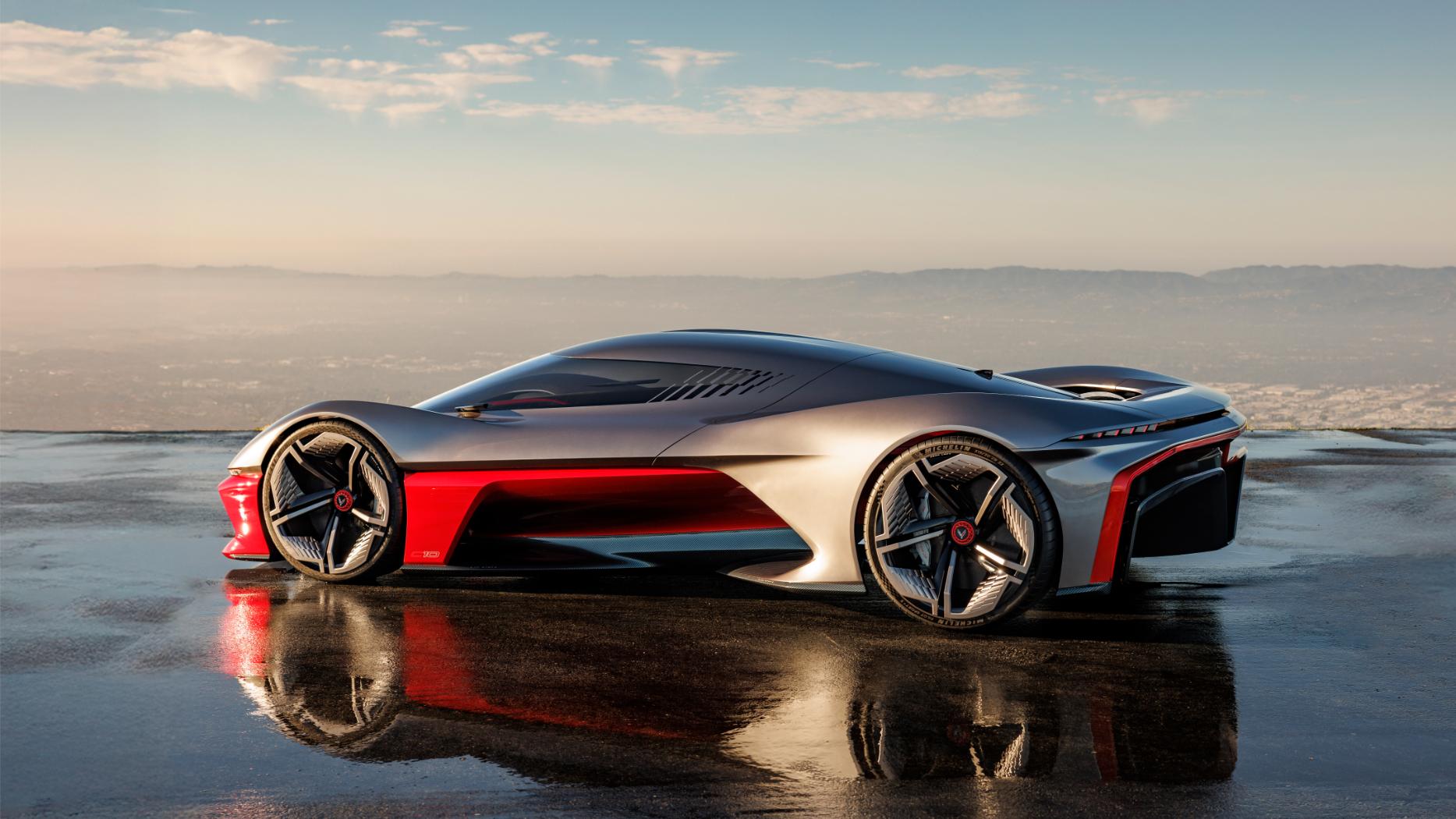
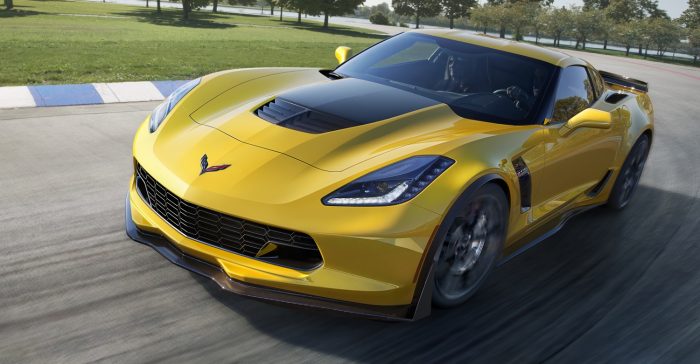
A modern follow-up built around the Corvette C8 would need a similar distance from its donor car. The source material points toward bodywork with a stronger Cadillac identity, while keeping the long rear section, broad rear shoulders, and forward cabin placement already present on the mid-engine Corvette. A retractable hardtop would also return, this time using aluminum or carbon fiber. Vertical front lighting remains necessary, while rear treatment could borrow a full-width lamp idea similar to CT5, or use shapes closer to Celestiq.
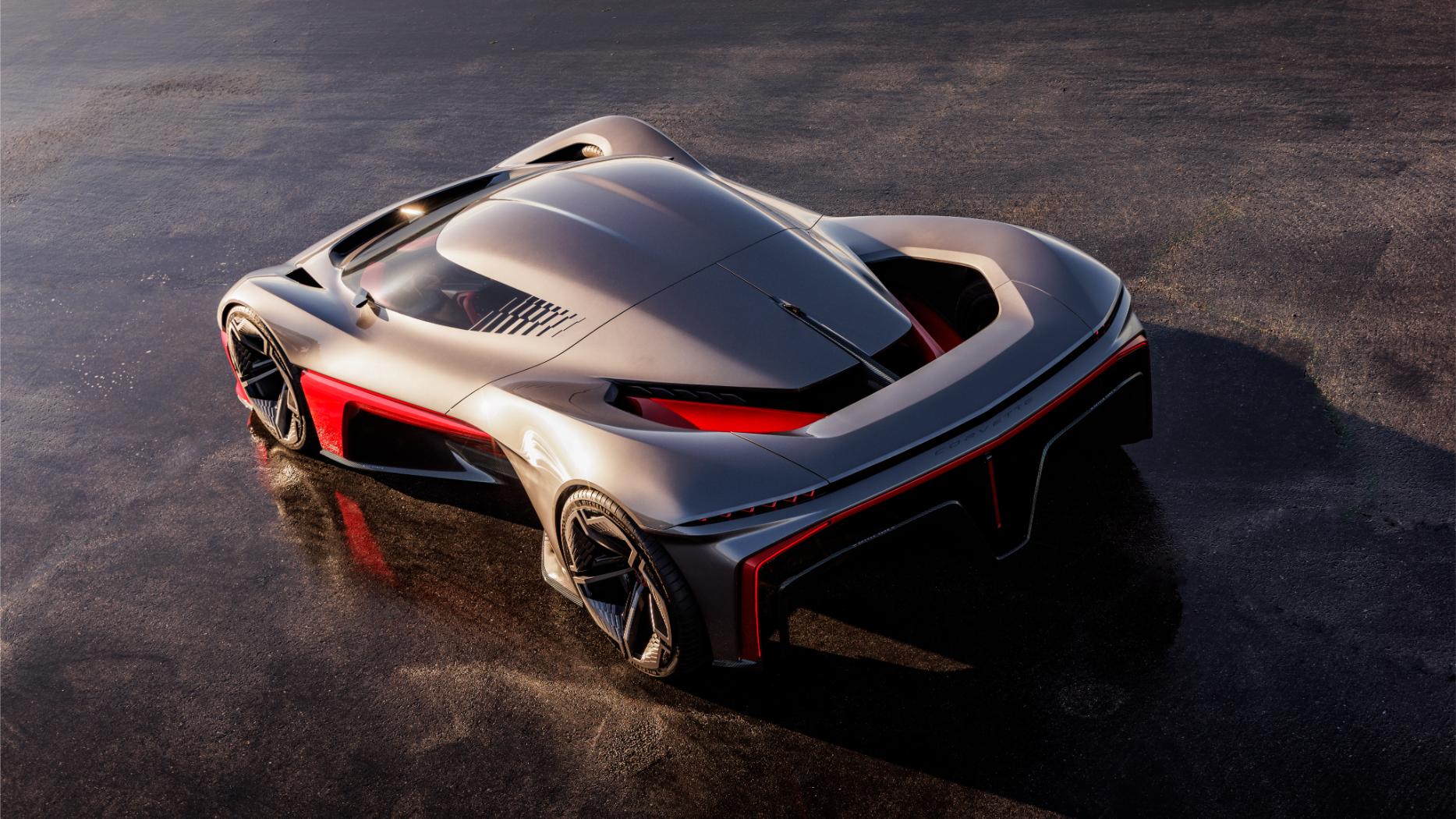
Inside, Cadillac made the roadster unique to its Chevy sibling with options not available in the less expensive Corvette. They also offer buyers a touchscreen infotainment system, Bose audio, adaptive cruise control, heated and cooled power seats stitched with perforated leather, and Bulgari-branded instrument cluster. The car was based on Corvette hardware with adaptive damping with magneto-rheological fluid suspended in suspension but was recalibrated to be comfortable.
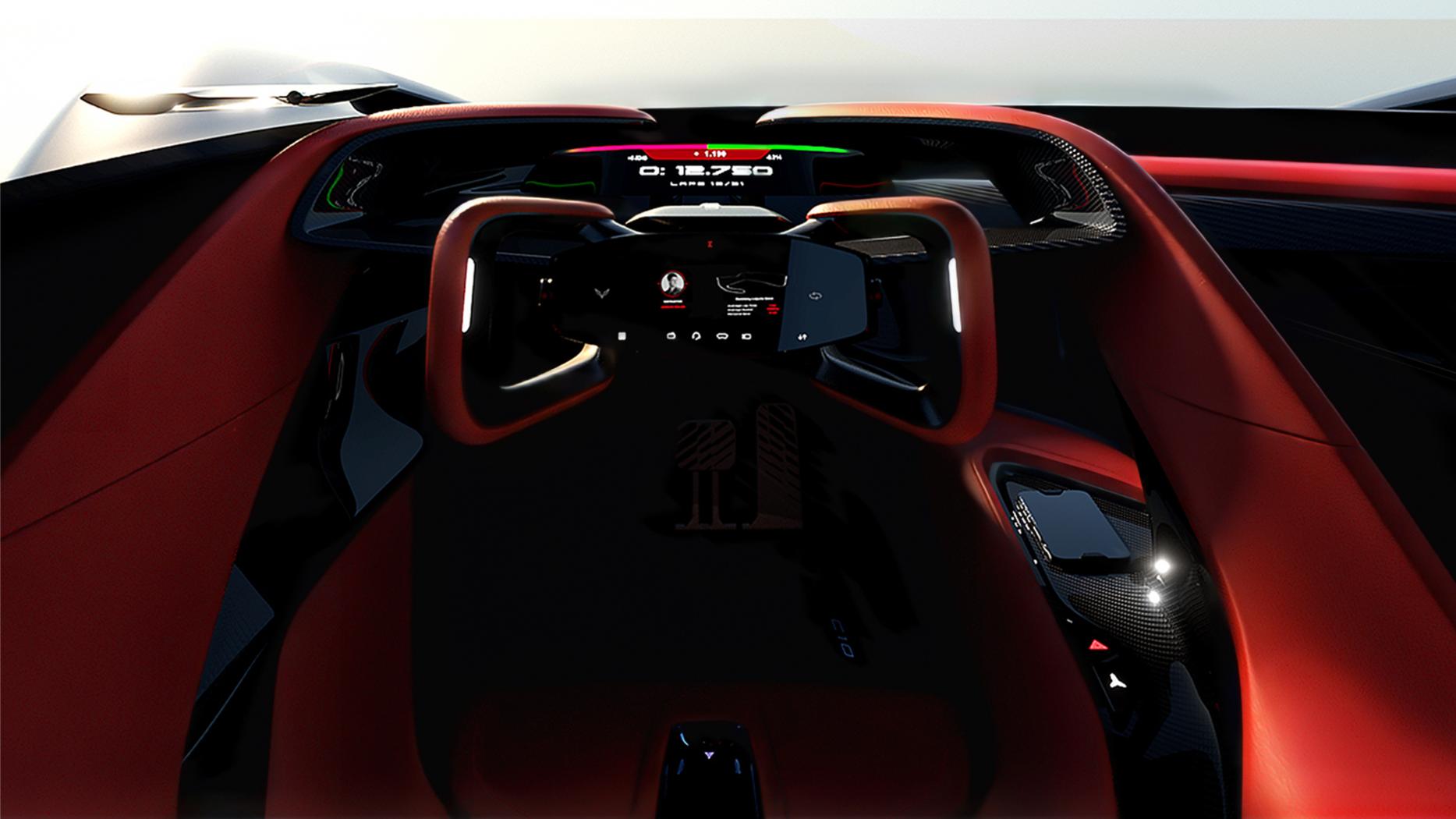
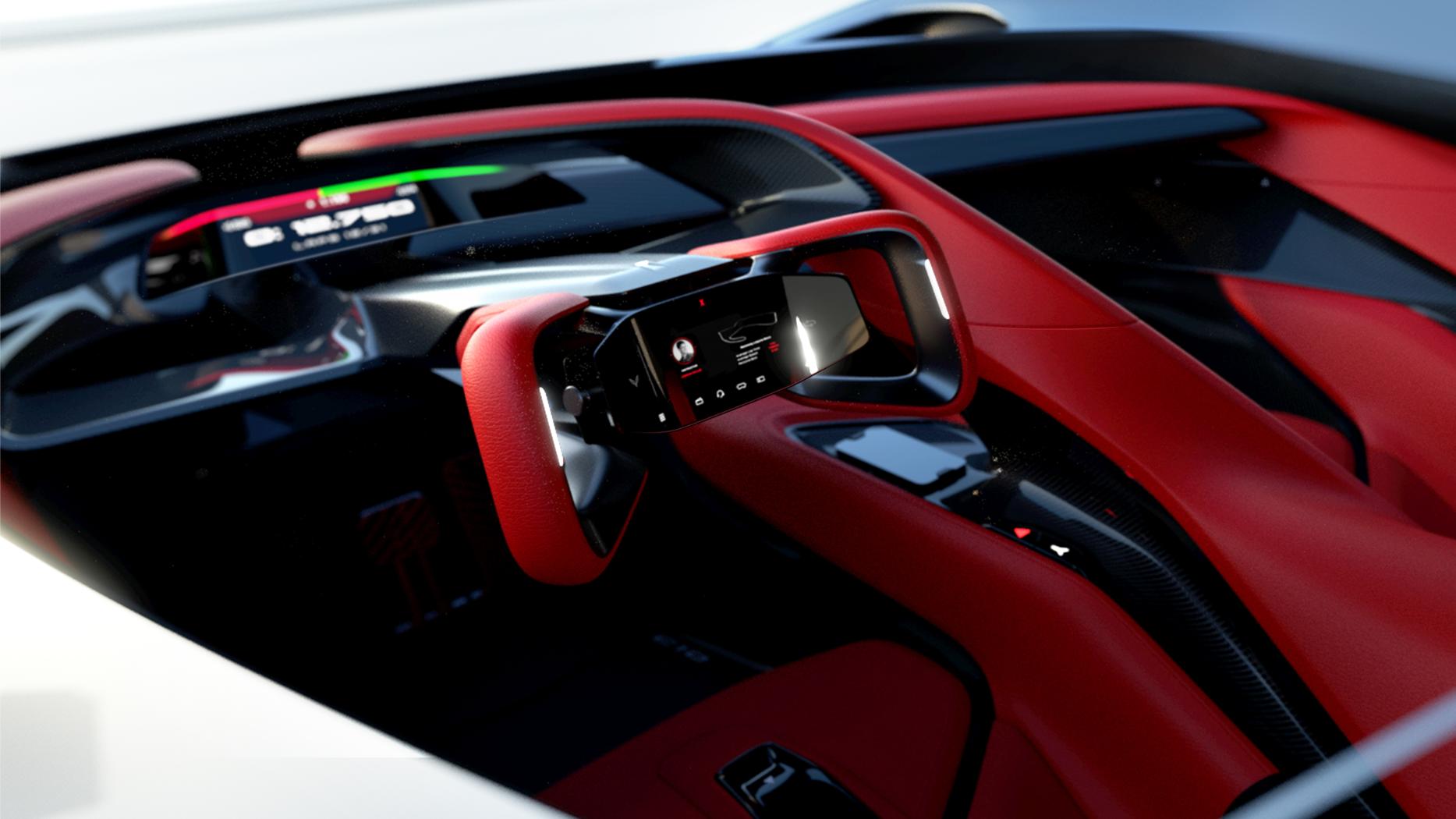
Cabin finish would need another jump. Open-pore wood, quilted aniline leather, and metal switchgear with a Bentley-like tactile feel appear in the proposal. Cadillac customization inside and outside also enters the picture.
Powertrain choices follow Corvette logic. The entry version uses the hybrid 6.7-liter setup from Grand Sport X. Output from the naturally aspirated V8 alone stands at 535 HP and 705 Nm, or 520 lb-ft. Front axle electric assistance lifts combined output to 721 HP. Suspension would soften for road use.
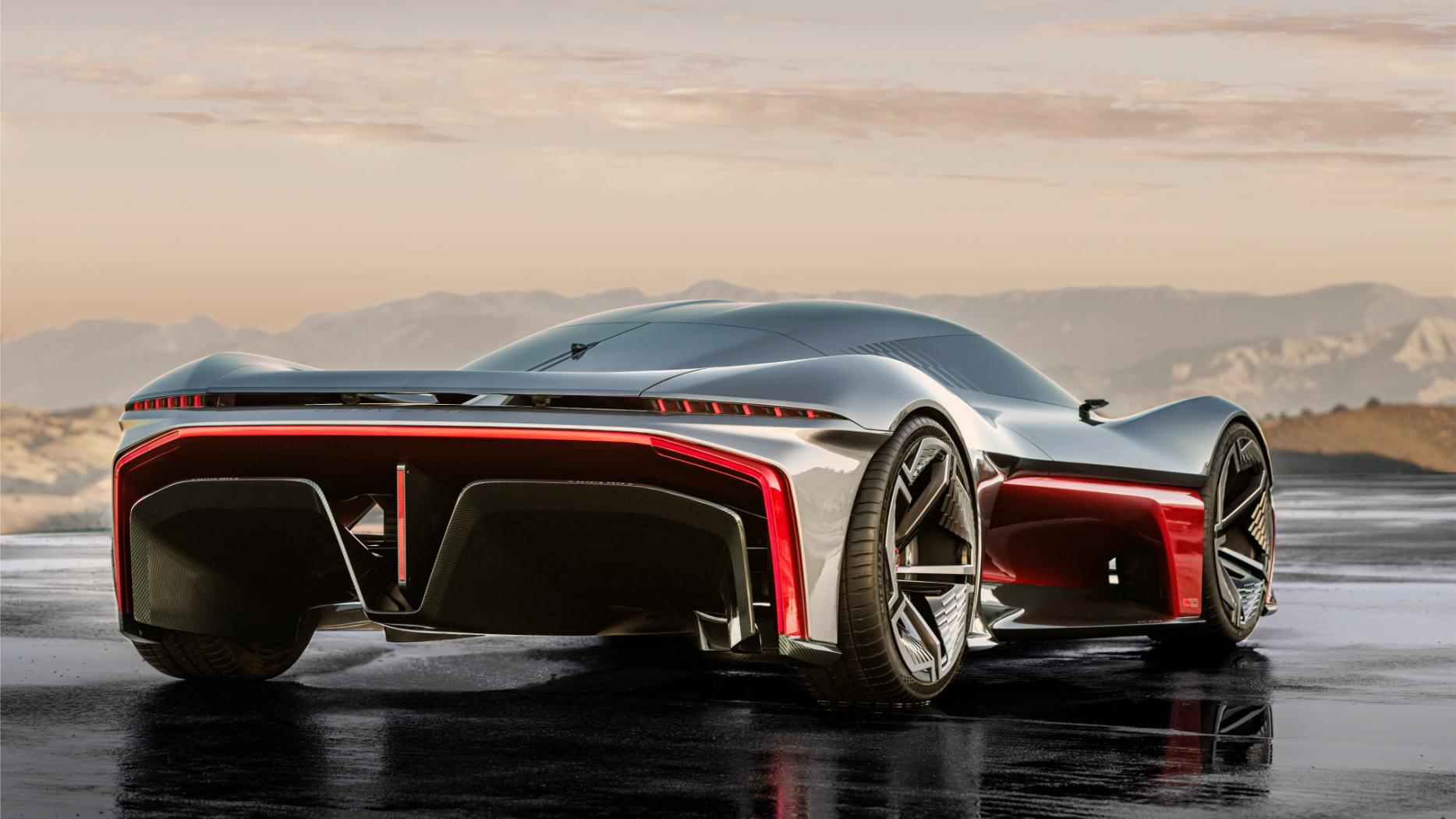
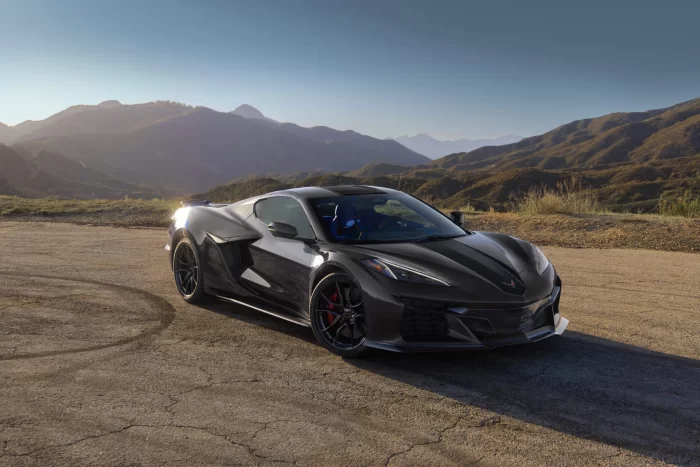
At the upper end, a V Series Blackwing takes the Corvette ZR1X route. That implies a twin-turbocharged 5.5-liter flat plain V8 and a bigger front electric motor with 1250 HP. This package accelerates the Corvette to 60 mph in less than 2 seconds and has a Nürburgring record for an American production car. Cadillac would abandon lap targets and concentrate on a more subdued grand touring position, in addition to Magnetic Ride Control, Super Cruise, lidar, GPS positioning, cameras, and a dedicated audio system.
Pricing would move high. The earlier XLR opened at nearly twice the level of a standard Corvette, and a new version would start around $200k. A V Series Blackwing derivative would move beyond a quarter million dollars and edge toward $300k.
Chevrolet Corvette California Renderings
Related Posts
Stay Informed With the Latest & Most Important News
Previous Post
Next Post

Advertisement

-
 01BYD’s Great Tang Arrives As a Flagship SUV with 1,500 kW Charging and a Nine-Minute 10–97% Claim
 -
 02Nissan Sets New GT-R Direction with Hybrid V6 Plan and Fresh Chassis Before 2030
 -
 03Audi Launches RS3 Competition Limited, Celebrates 50 Years of the Company`s Five-Cylinder Engine Fame
 -
 042026 Toyota Hilux EV: A Powerful Truck with Silent Torque
 -
 05Polestar Boss Says It’s Time To Outrun BMW M And Mercedes-AMG
 -
 062026 Corvette ZR1 Production Surges Past Expectations as Output Clears 1,000 Units
 -
 07Chinese EV Brand Zeekr Builds Strong Reputation Among Australian Buyers