














Now Reading: General Motors Uses Artificial Intelligence to Cut Design Time from Months to Hours
-
01
General Motors Uses Artificial Intelligence to Cut Design Time from Months to Hours
General Motors Uses Artificial Intelligence to Cut Design Time from Months to Hours
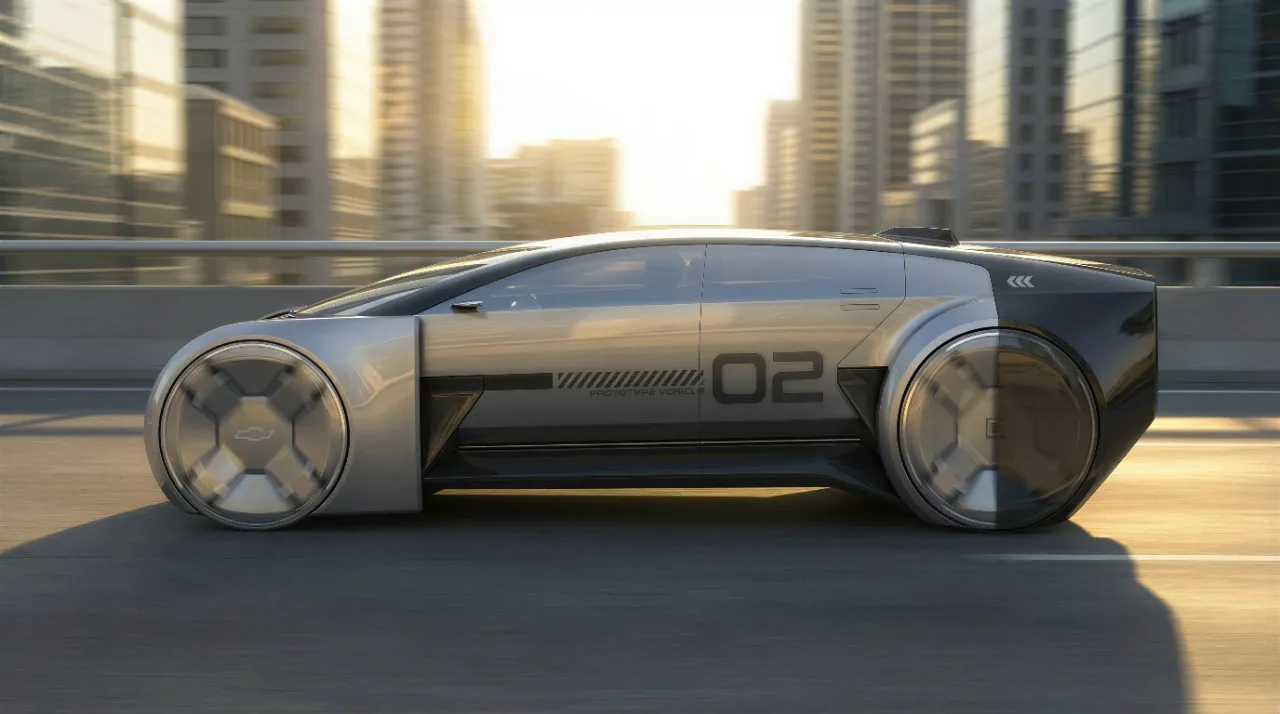
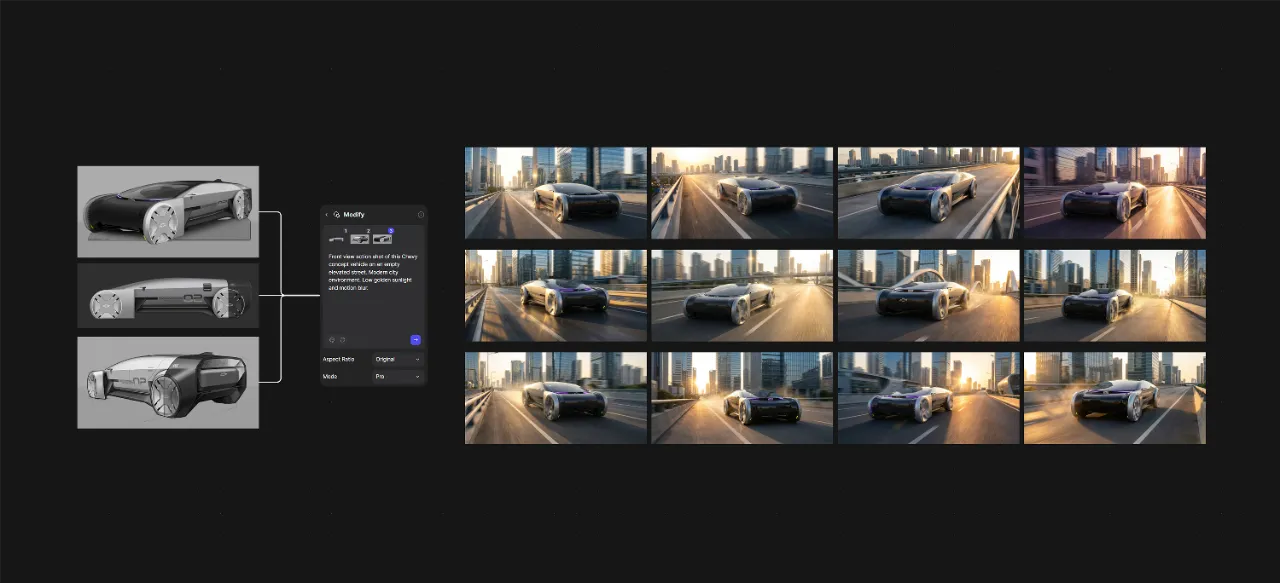
General Motors has moved artificial intelligence into regular studio work, though the first step still starts with pencil marks on paper. Designers begin in the usual way, drawing early ideas by hand. After that, digital systems take over and push those sketches into rendered vehicle studies far faster than earlier internal workflows allowed.
Inside the company, one of the strongest changes appears in time. Daniel Shapiro, listed among GM creative designers, explained that earlier programs often needed several teams and months before a sketch turned into a finished animated presentation. He said the current process reaches the same stage in less than a day. Rendered proposals, including full three-dimensional animation work, now arrive within hours once the drawing enters the system.
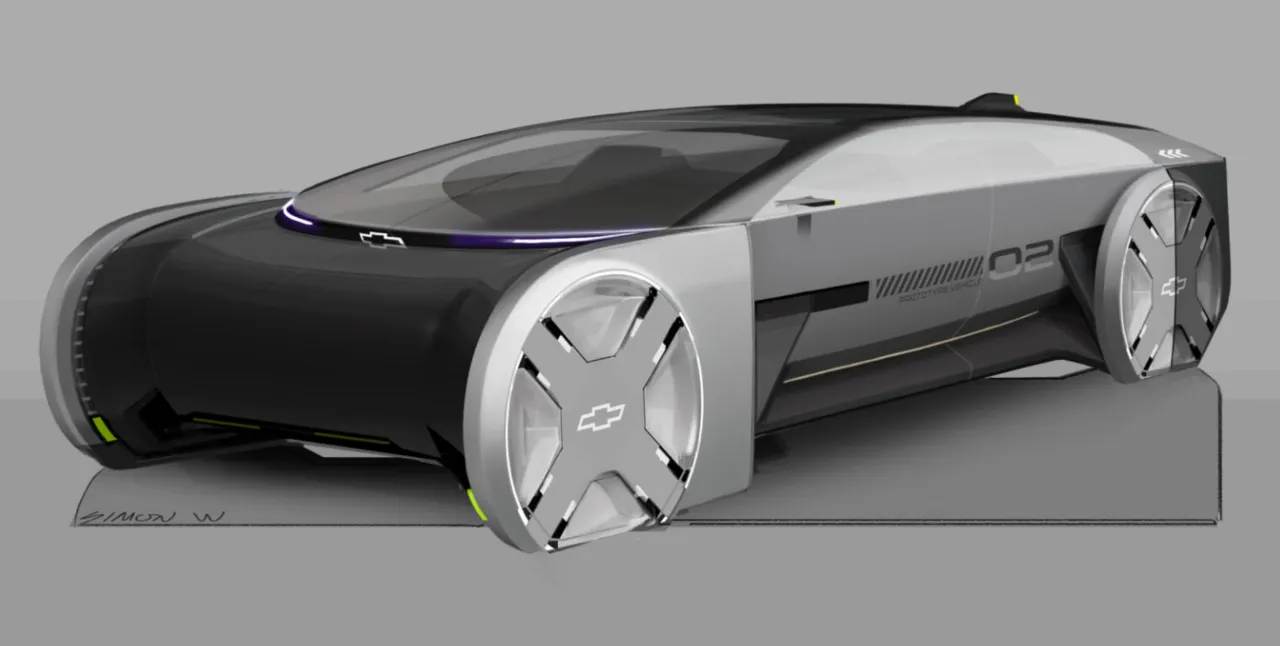
This speed has changed how many directions a studio reviews during one project. GM says designers now build dozens of versions from one proposal, then return and adjust details across those alternatives. More ideas stay alive longer in the process. Some get dropped, some return later, and the cycle repeats.
Shapiro described the shift in direct terms. “Instead of just going down this one path, we can explore so much more, and you can be a bit less precious with the ideas.” He added another point from daily studio work: “I don’t want to exaggerate here, but it’s changed the way we do our work on a daily basis.”
The company also links artificial intelligence with engineering tasks, not only visual development. One internal group built an aero-analysis system described as a virtual wind tunnel. Rather than waiting for older test routines, engineers feed digital vehicle surfaces into the tool and receive drag predictions from rendered models.
Before this arrived, GM relied on CFD and full-scale wind tunnel sessions. Those methods stayed expensive and often stretched across days or weeks, especially when small body changes entered the schedule. A revised hood line or altered roof contour usually triggered another round of testing.
Now the same sort of adjustment, roofline first or hood shape second, gets reviewed almost immediately. Engineers watch how airflow reacts while changes are still under discussion, which shortens another part of development.
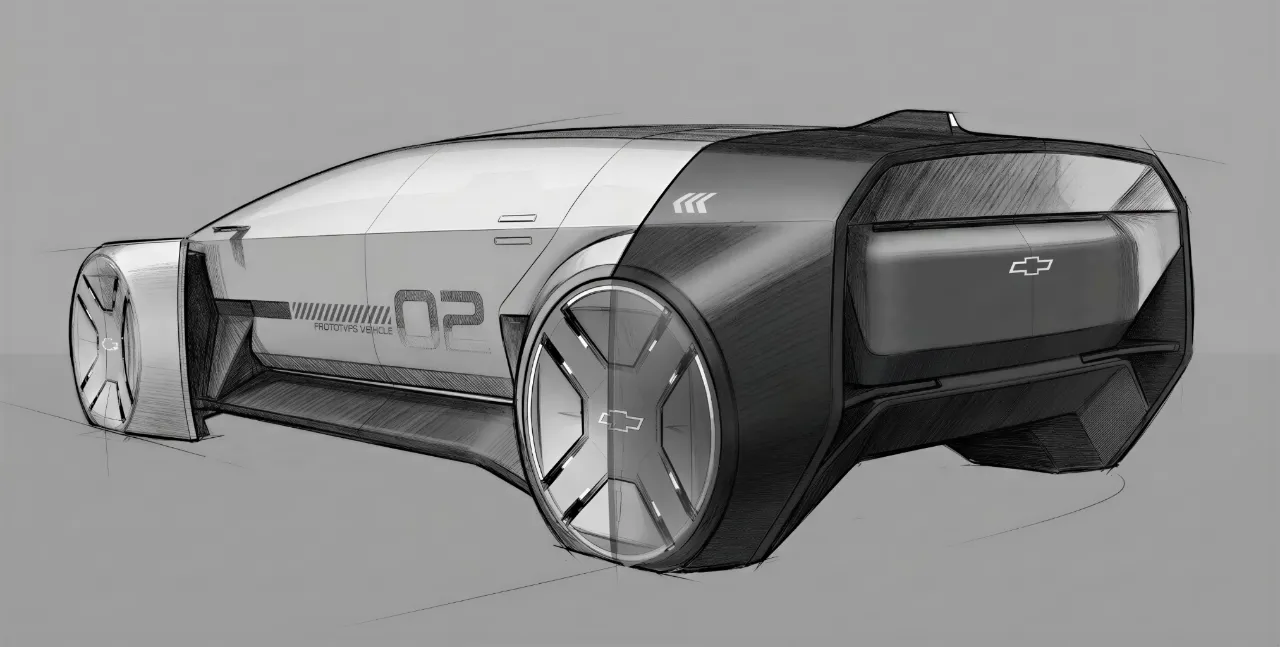
GM presents artificial intelligence as a support layer rather than a replacement for design instinct. Pencil sketches remain at the beginning. Designers still return to paper after digital output appears, adding fresh ideas before another round starts. The sequence moves back and forth more often now, though the company says the practical gain comes from one result above all else: more proposals examined in less time.
Related Posts
Stay Informed With the Latest & Most Important News
Previous Post
Next Post







Advertisement

-
 01BYD’s Great Tang Arrives As a Flagship SUV with 1,500 kW Charging and a Nine-Minute 10–97% Claim
 -
 02Nissan Sets New GT-R Direction with Hybrid V6 Plan and Fresh Chassis Before 2030
 -
 03Audi Launches RS3 Competition Limited, Celebrates 50 Years of the Company`s Five-Cylinder Engine Fame
 -
 042026 Toyota Hilux EV: A Powerful Truck with Silent Torque
 -
 05Polestar Boss Says It’s Time To Outrun BMW M And Mercedes-AMG
 -
 062026 Corvette ZR1 Production Surges Past Expectations as Output Clears 1,000 Units
 -
 07Chinese EV Brand Zeekr Builds Strong Reputation Among Australian Buyers